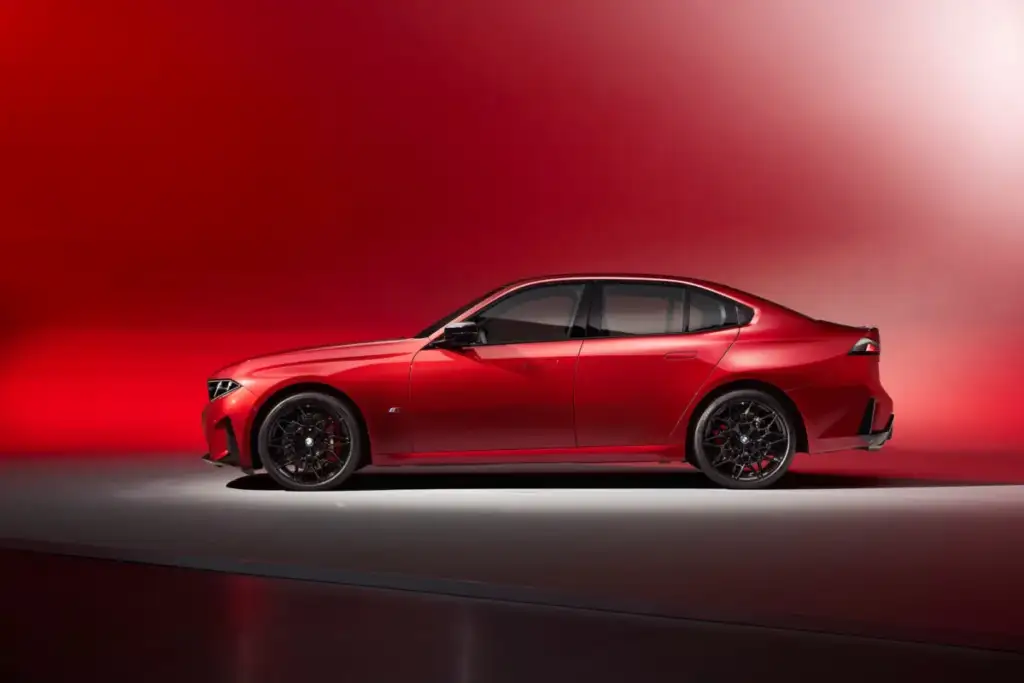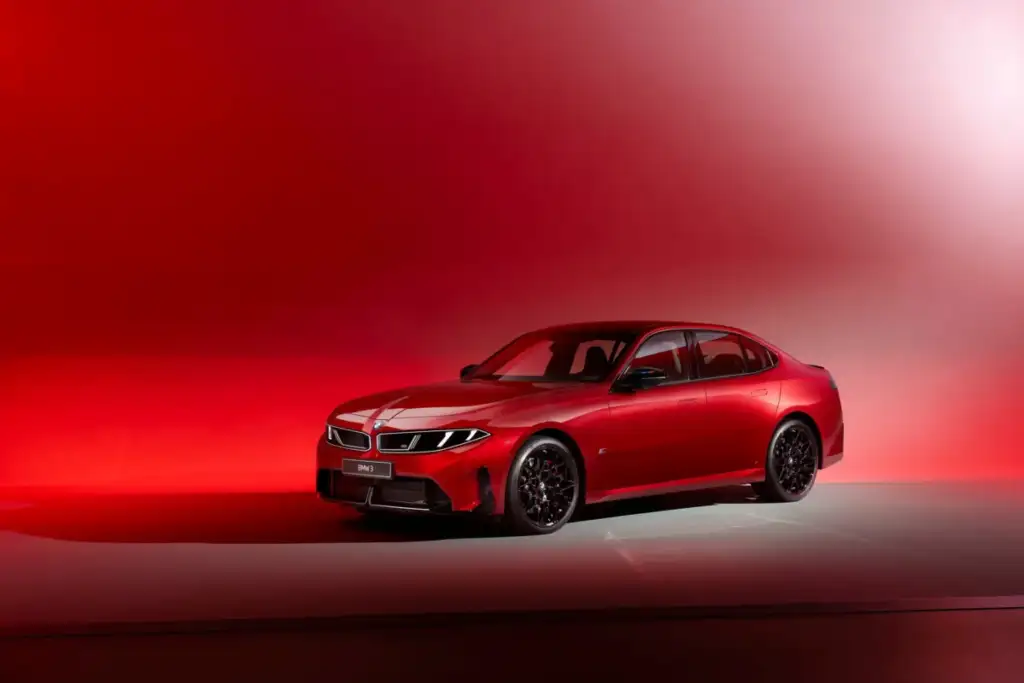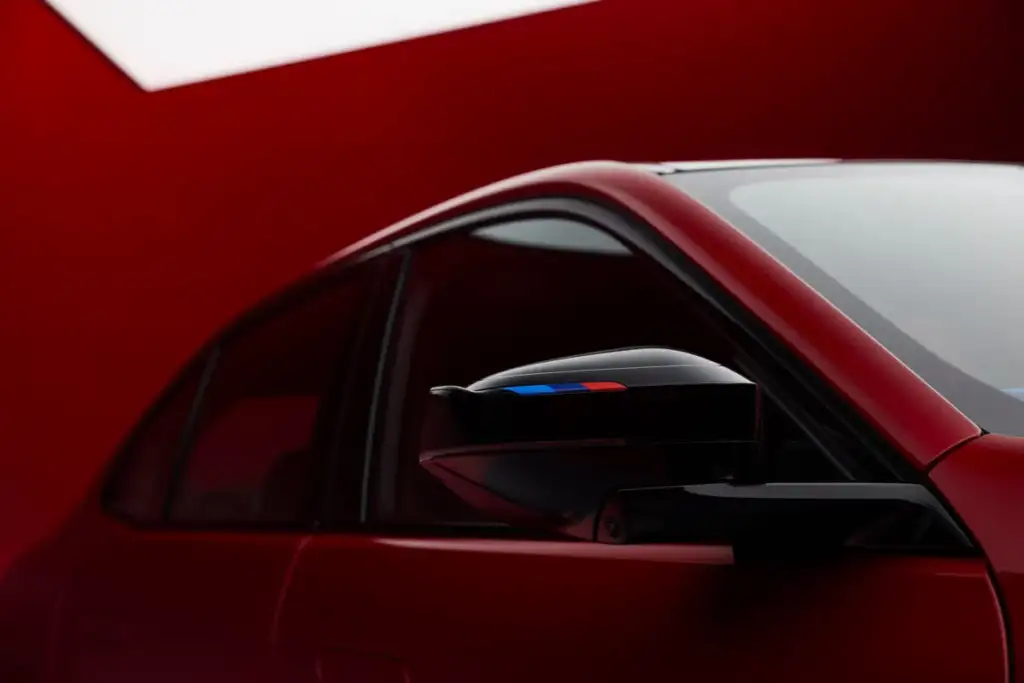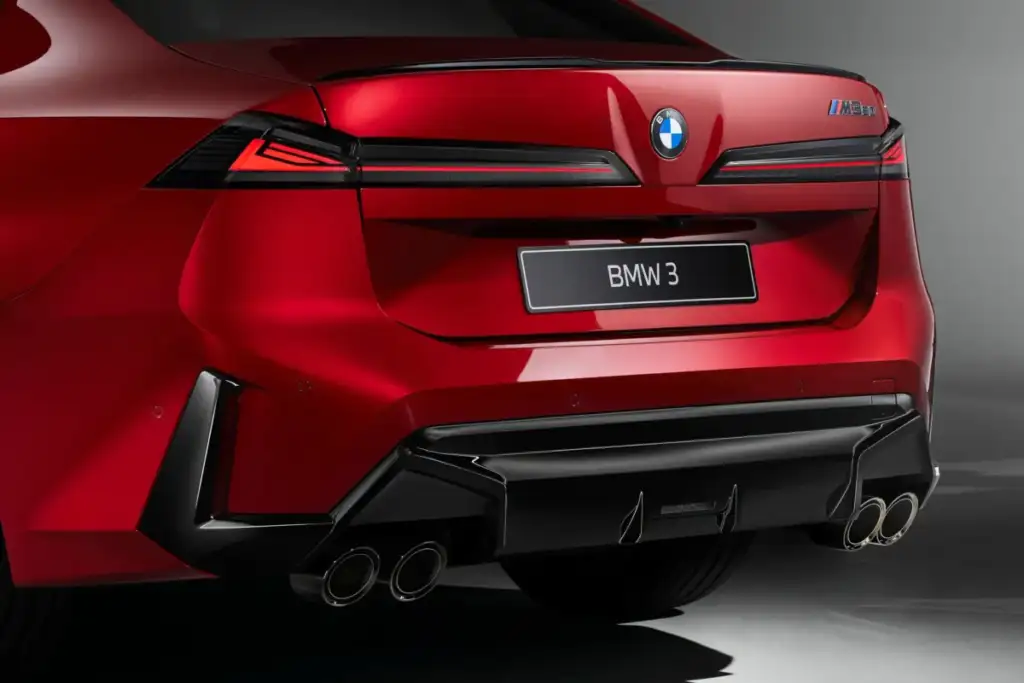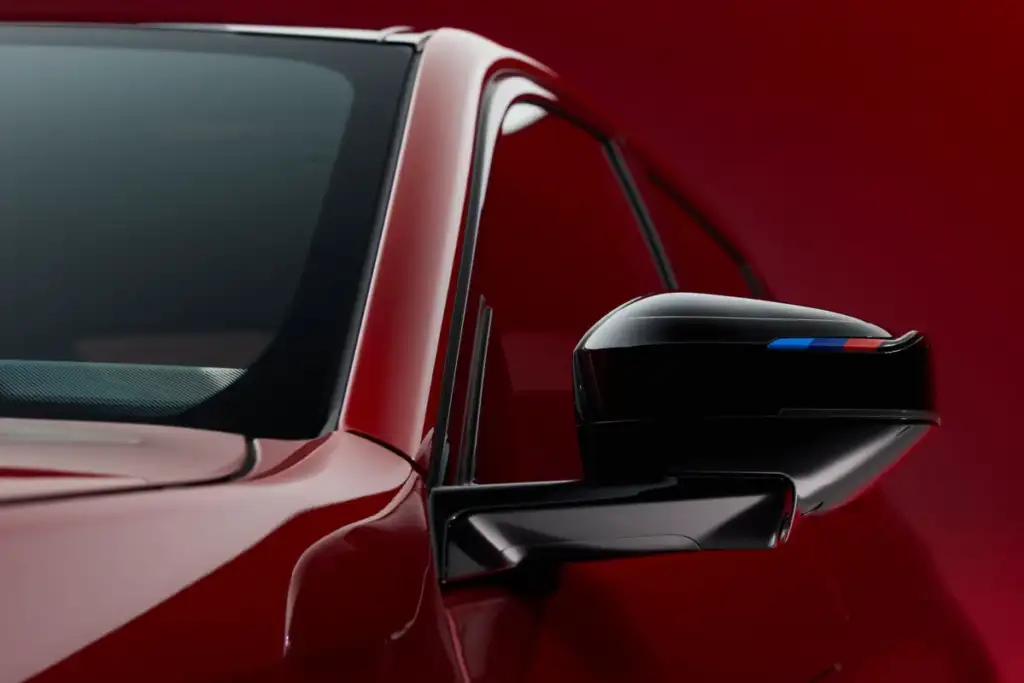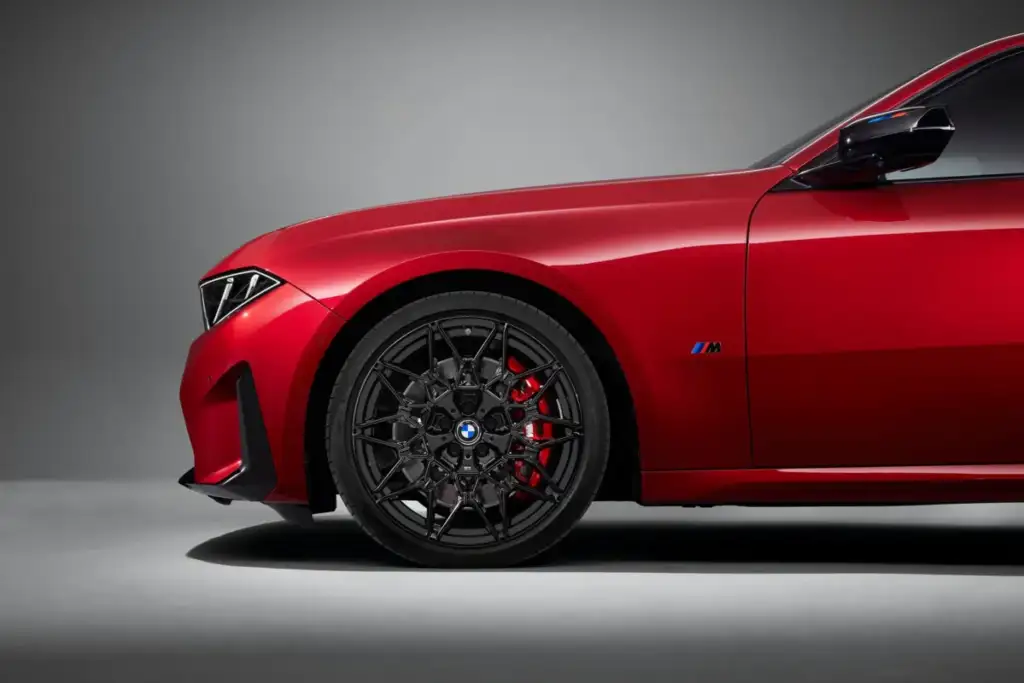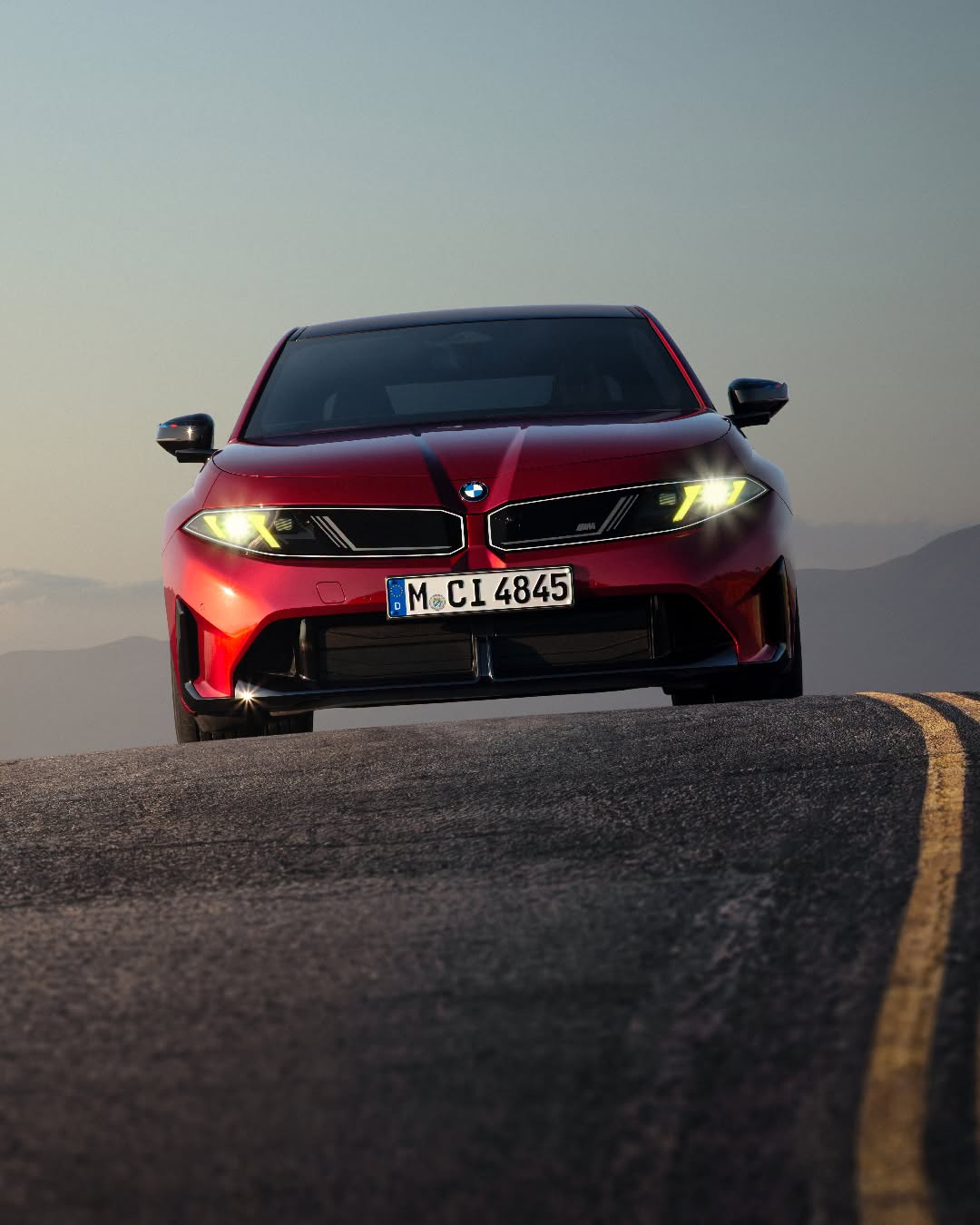
BMW has officially unveiled the eighth-generation 3 Series, bringing the latest Neue Klasse technology to one of the most important names in the brand’s history. But this is not simply another step toward an electric future. Alongside the new BMW i3, BMW is keeping a serious combustion-powered performance model at the top of the range: the BMW M350 xDrive.
With a 3.0-liter inline-six, 48-volt mild-hybrid technology, xDrive and 443 hp, the M350 xDrive reaches 62 mph in just 4.1 seconds. And BMW is preparing an unusual addition for 2027: Drift Moment, a function designed to give the sedan a much more rear-wheel-drive character.
The M350 xDrive Is the 3 Series BMW Enthusiasts Will Notice
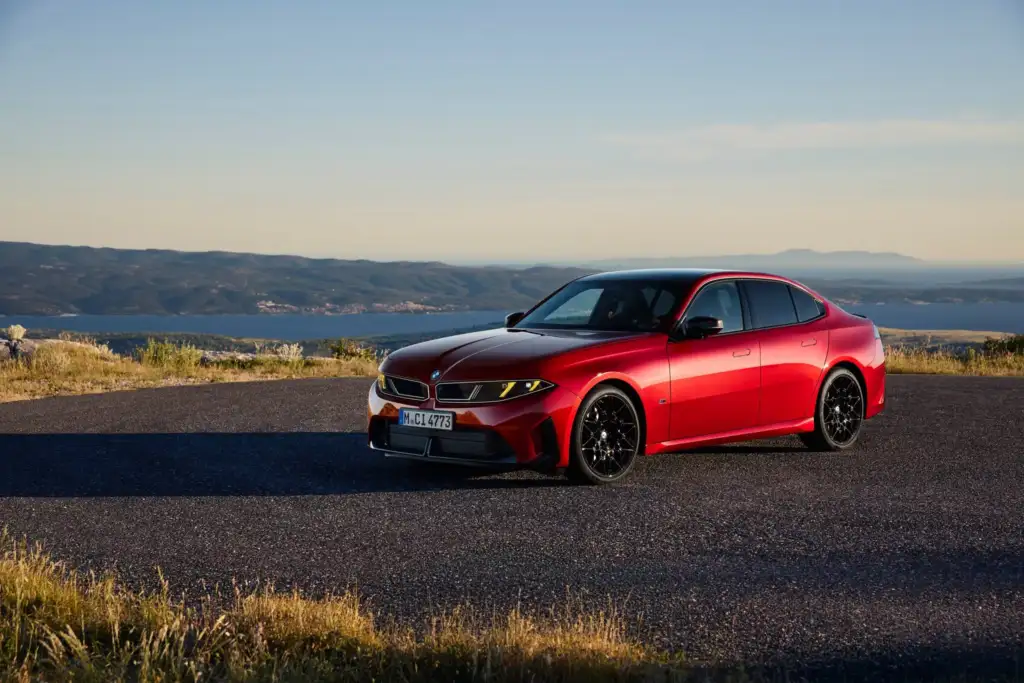
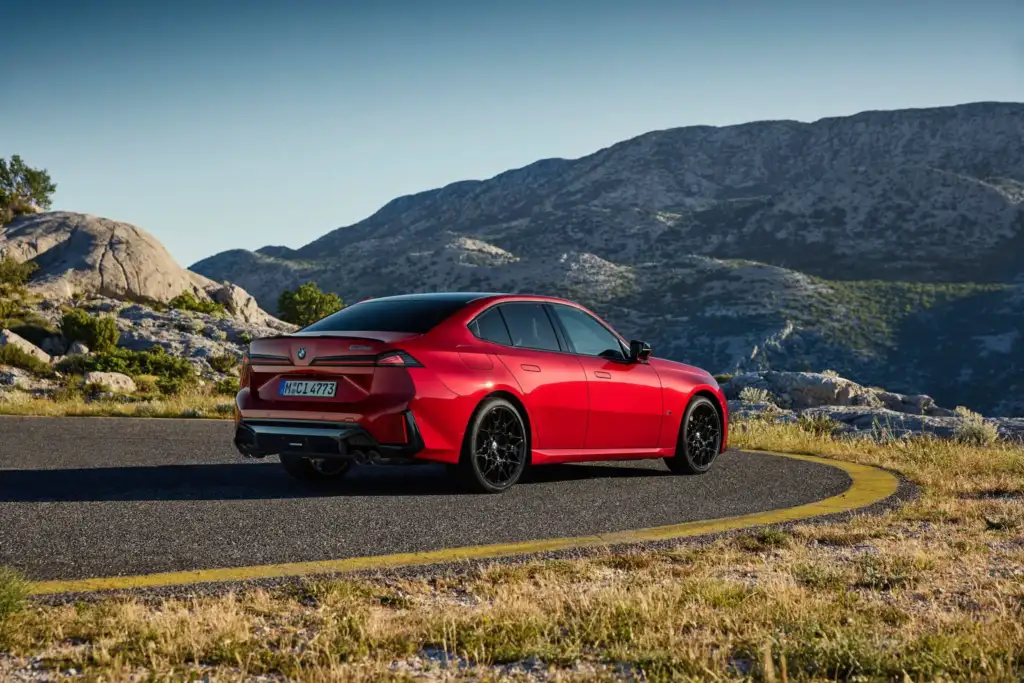
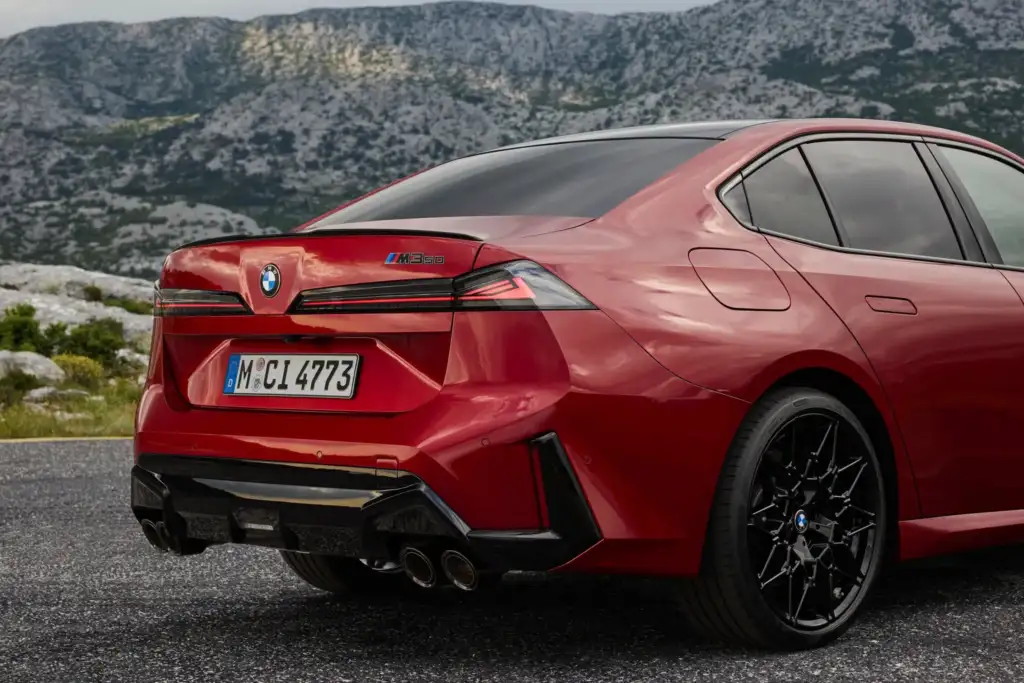
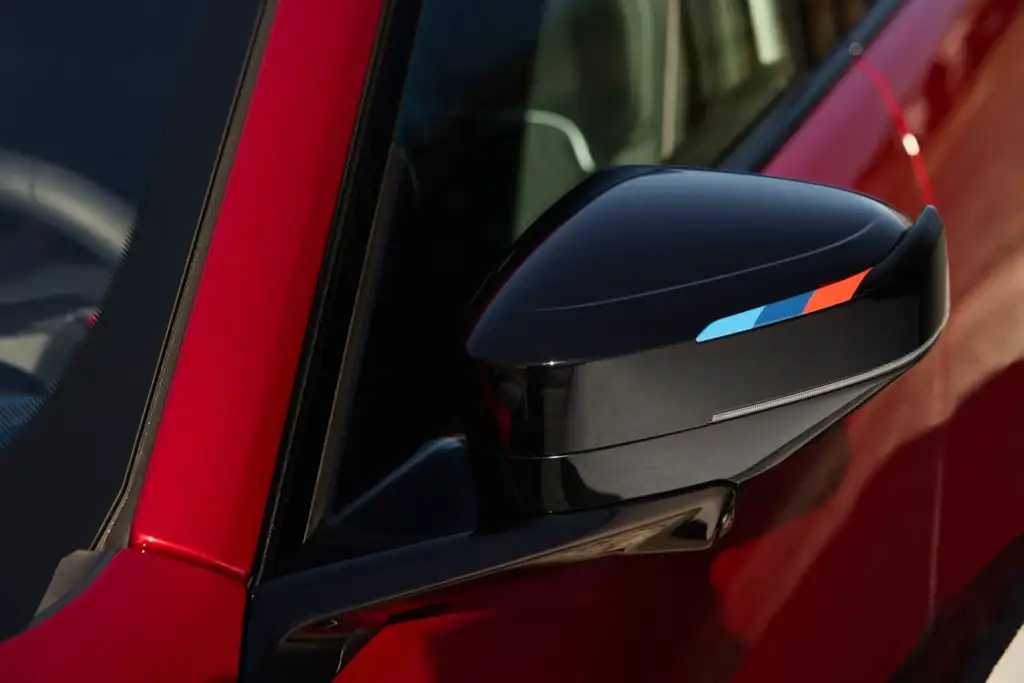
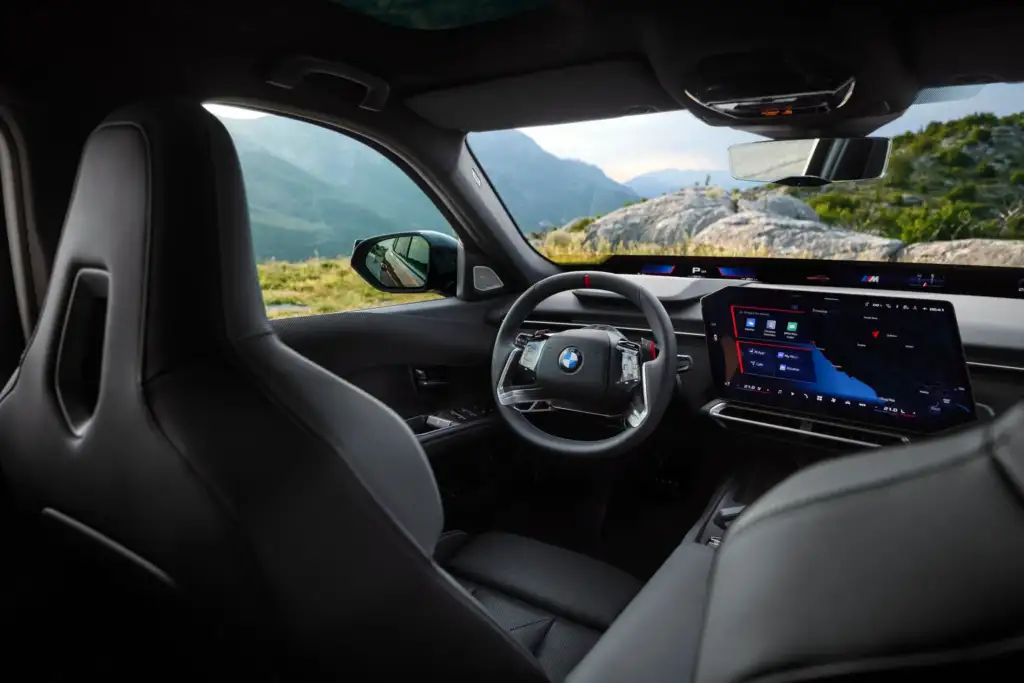
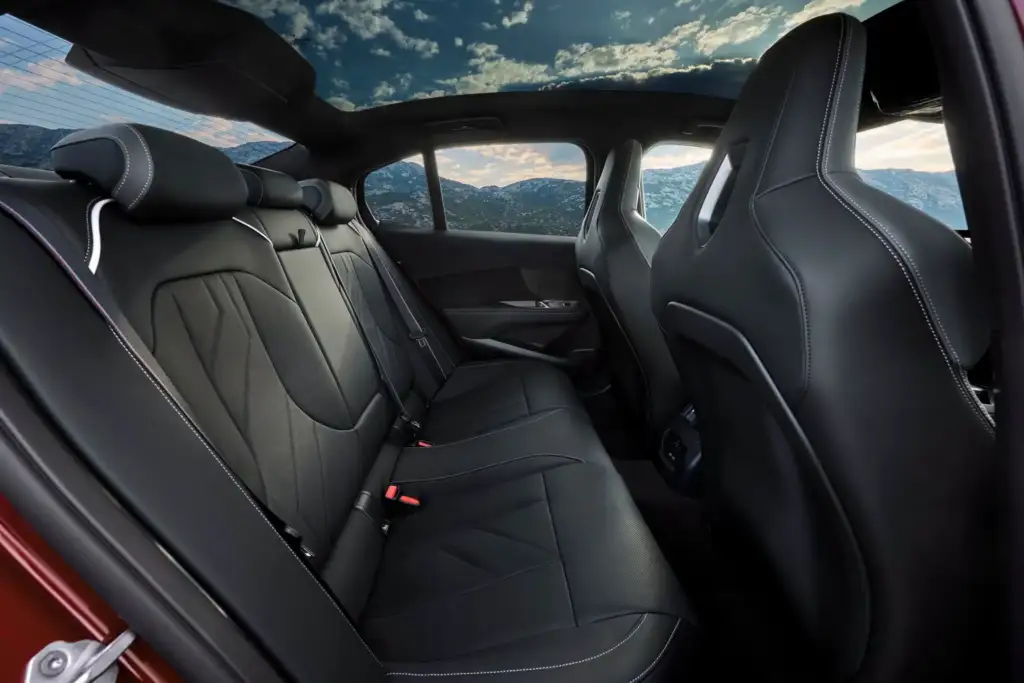
The new 3 Series arrives in an era when BMW is rapidly expanding its electric lineup, yet the company has not abandoned the traditional performance formula. The M350 xDrive sits at the top of the combustion-powered range and is the only six-cylinder model announced at launch.
Its engine is familiar in concept but heavily integrated into BMW’s latest electrified drivetrain strategy. The 3.0-liter TwinPower Turbo inline-six produces 426 hp and 540 Nm on its own. A 48-volt electric motor integrated into the transmission adds another 18 hp, bringing the system output to 443 hp and 580 Nm.
Power is delivered through an eight-speed Steptronic transmission and BMW xDrive all-wheel drive. The result is a 0-62 mph time of 4.1 seconds, while top speed is electronically limited to 155 mph.
BMW quotes combined WLTP fuel consumption of between 7.5 and 8.2 l/100 km, depending on specification. The figures are provisional and market-specific equipment can affect the final values.
BMW Is Giving the M350 xDrive a Drift Mode
Perhaps the most interesting detail about the M350 xDrive is not its power figure. It is what BMW plans to do with that power.
Editor’s Choice
The upcoming Drift Moment function will allow the driver to activate a mode through the central display that can send the full drive power to the rear wheels. The objective is straightforward: allow the M350 xDrive to generate controlled oversteer and deliver a driving experience that moves closer to the character traditionally associated with rear-wheel-drive BMWs.
There is a catch. Drift Moment will not be available at launch. BMW plans to introduce the function during 2027, and it will also be offered through a Remote Software Upgrade for cars that have already been delivered.
That makes the feature particularly interesting in the context of the new 3 Series. The M350 xDrive uses electrification, but BMW is using that technology to add another layer to the driving experience rather than simply focusing on efficiency.
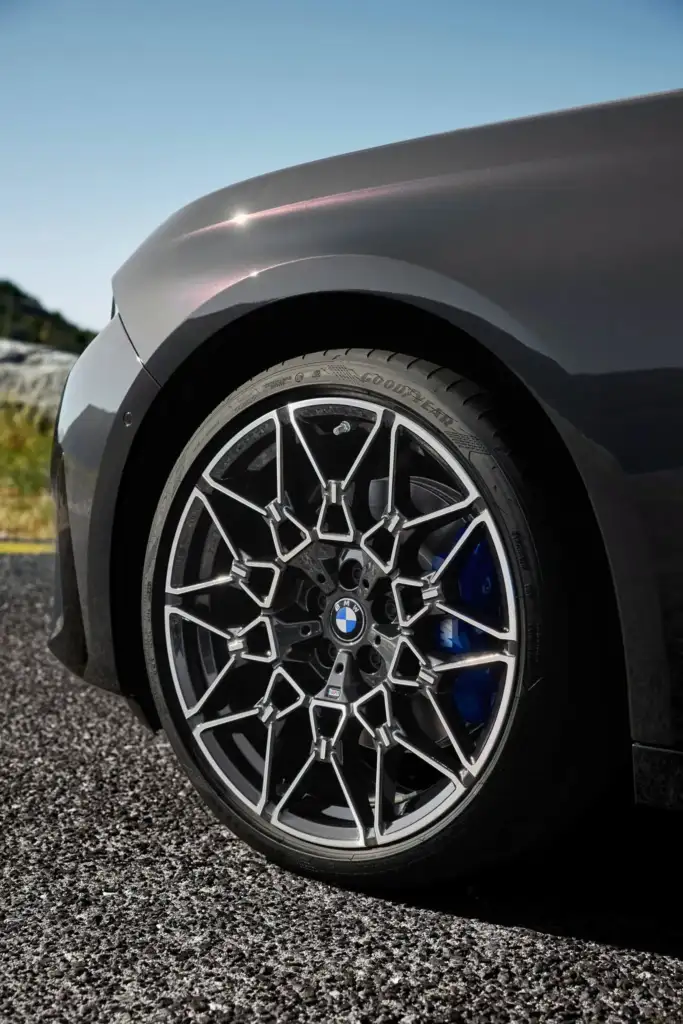
The chassis hardware is also designed to support the car’s performance ambitions. Adaptive M suspension is standard, while the M350 xDrive features a double-wishbone front axle, a five-link rear axle, four-piston fixed calipers at the front, Variable Sport Steering and an M Sport differential.
The Rest of the Combustion Range Starts With Four Cylinders
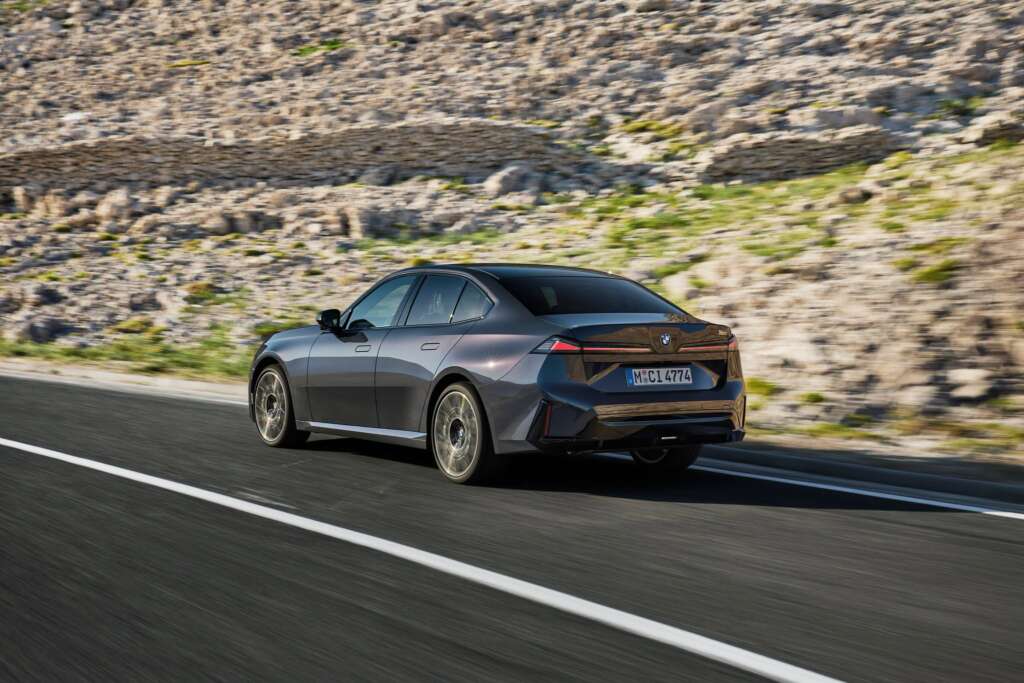
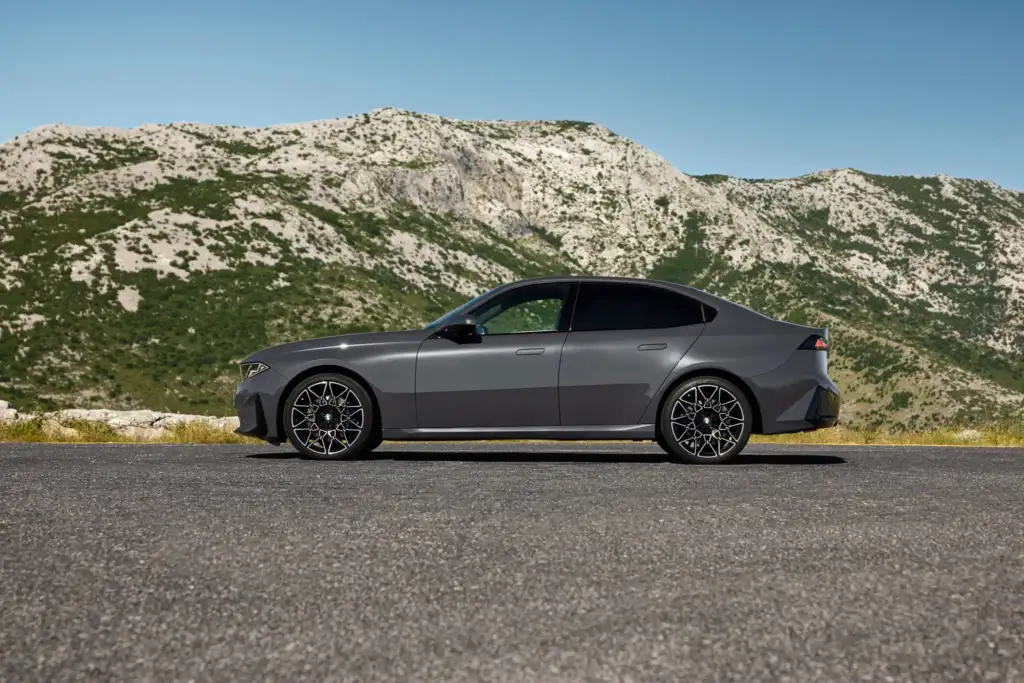
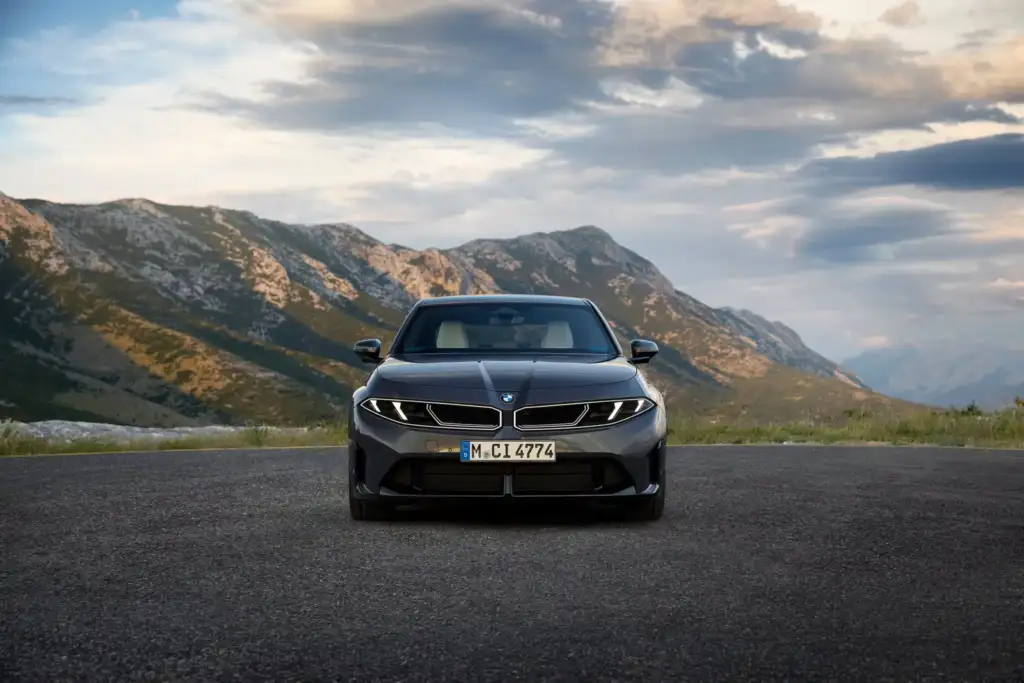
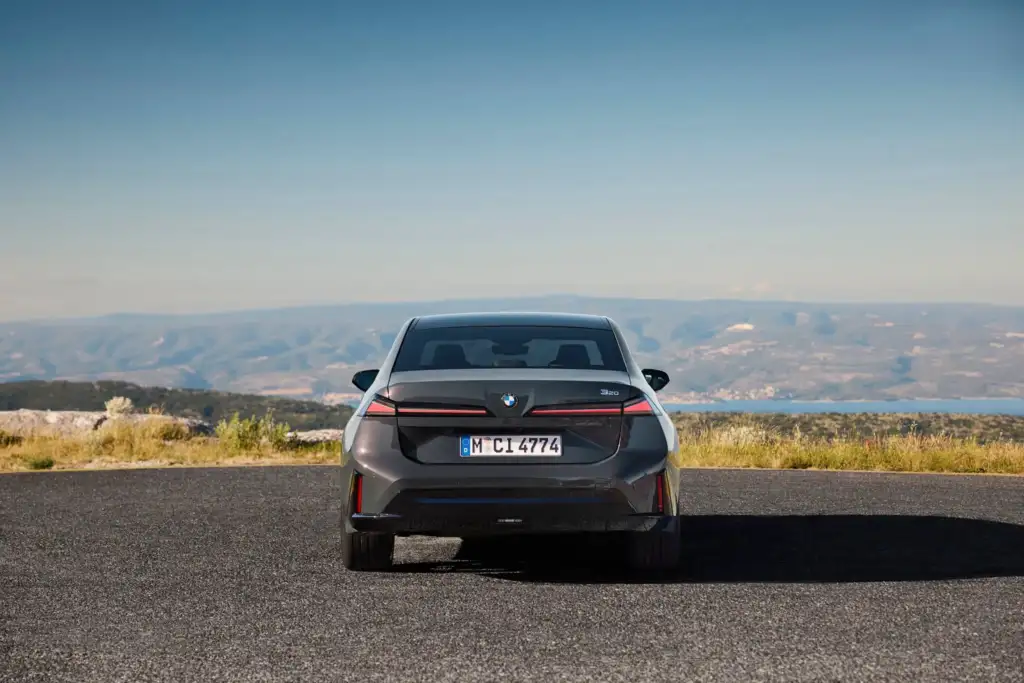
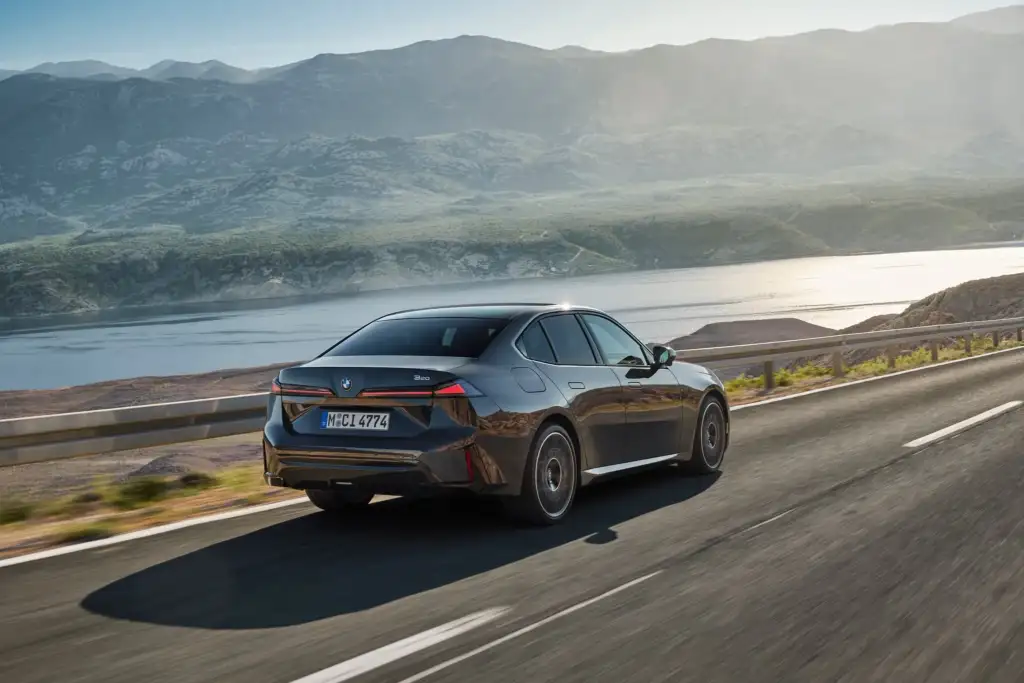
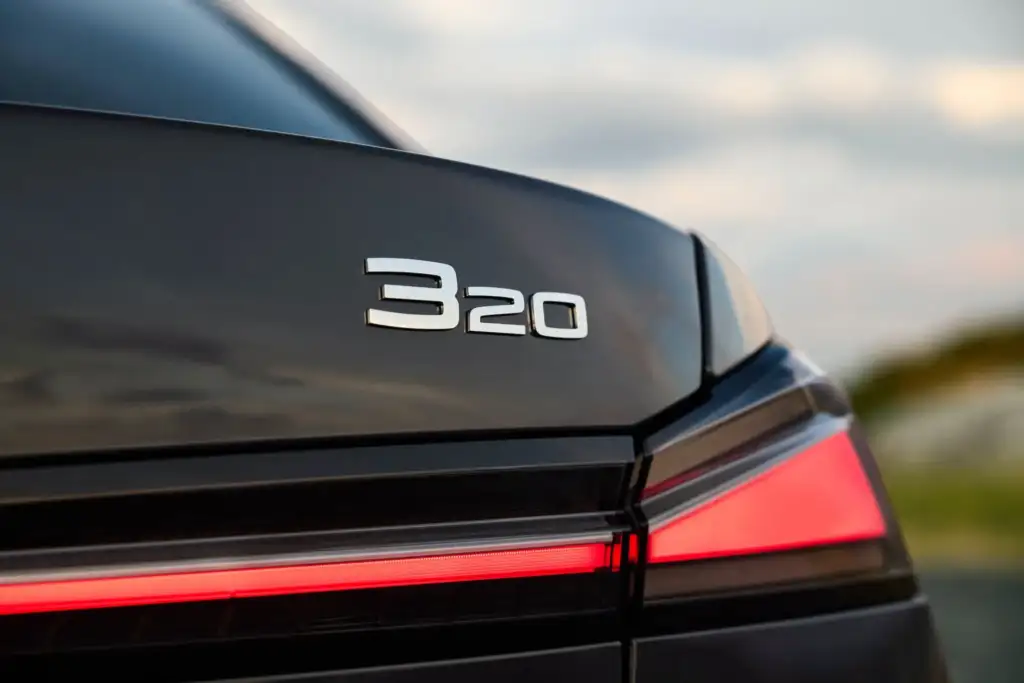
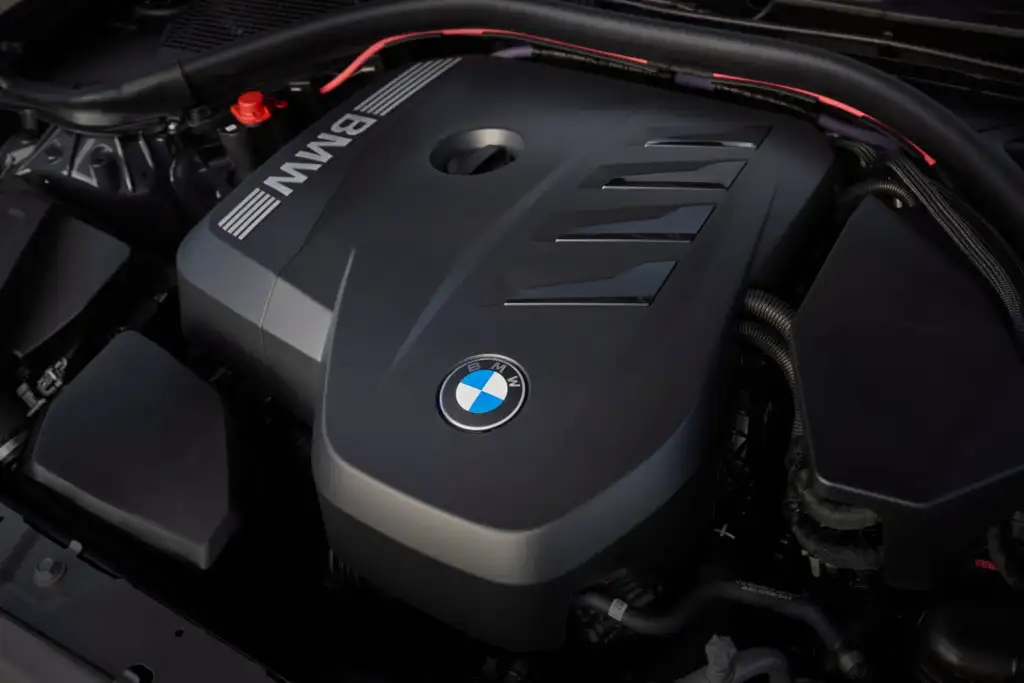
The M350 xDrive may be the headline act, but it is not the only combustion-powered 3 Series arriving with the new generation.
The initial range also includes the BMW 320 and BMW 318. Both use four-cylinder gasoline engines combined with 48-volt mild-hybrid technology and an eight-speed Steptronic transmission.
The BMW 320 develops 211 hp and 330 Nm. It reaches 62 mph in 7.4 seconds and has a top speed of 149 mph.
The BMW 318 sits at the bottom of the initial combustion lineup with 156 hp and 250 Nm. Its 0-62 mph time is 9.5 seconds, while top speed is 134 mph.
Both models use energy recuperation and mild-hybrid technology to improve efficiency without changing the basic character of the gasoline powertrain.
A Bigger 3 Series With Familiar Proportions
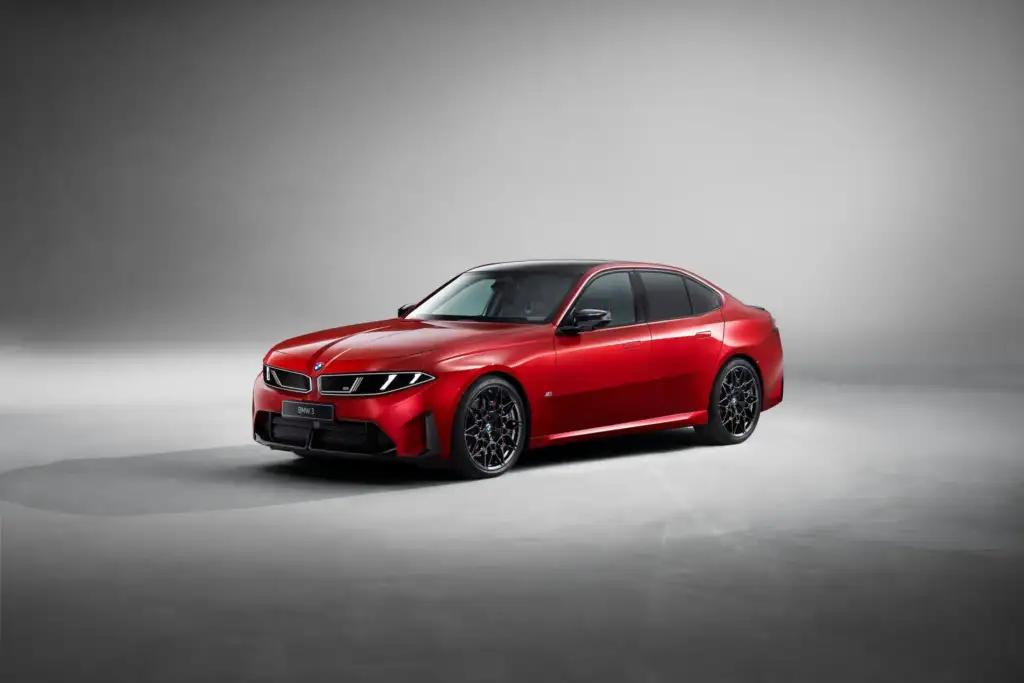
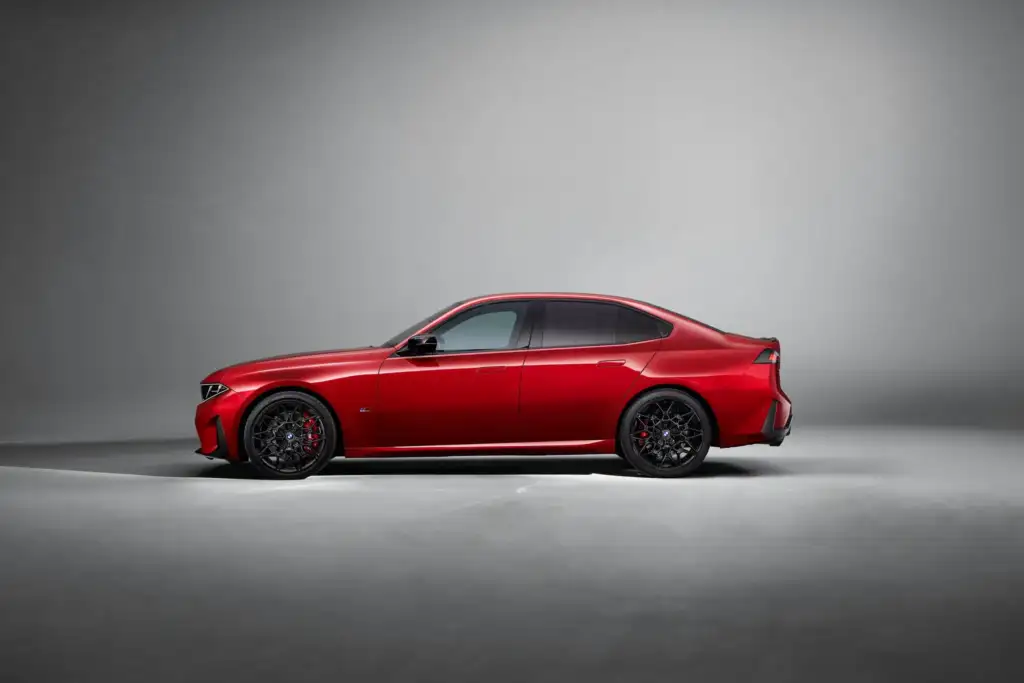
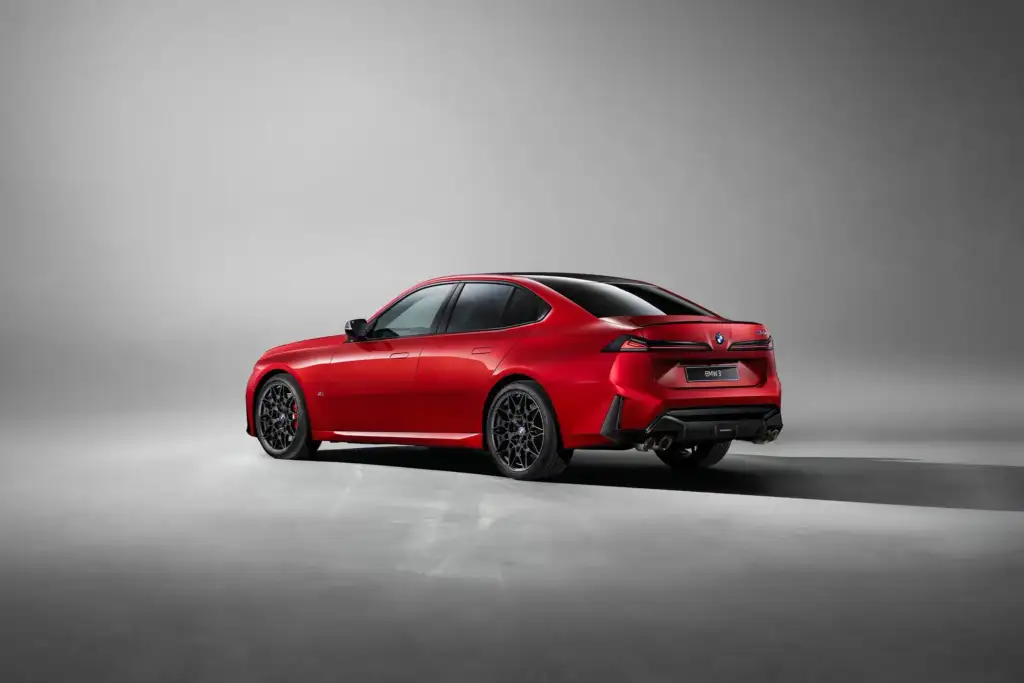
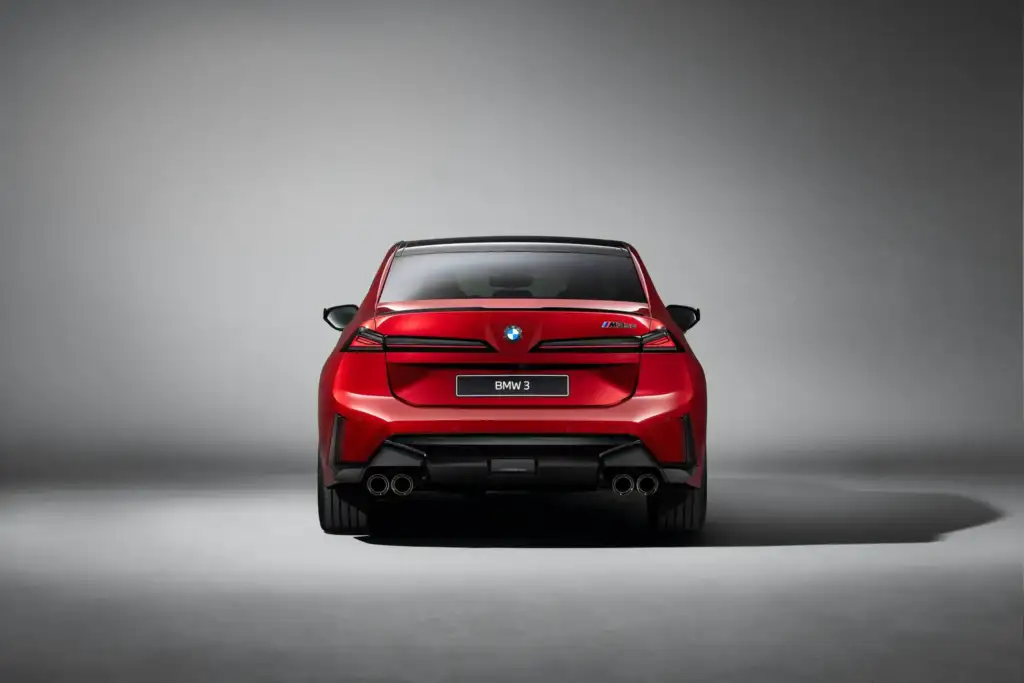
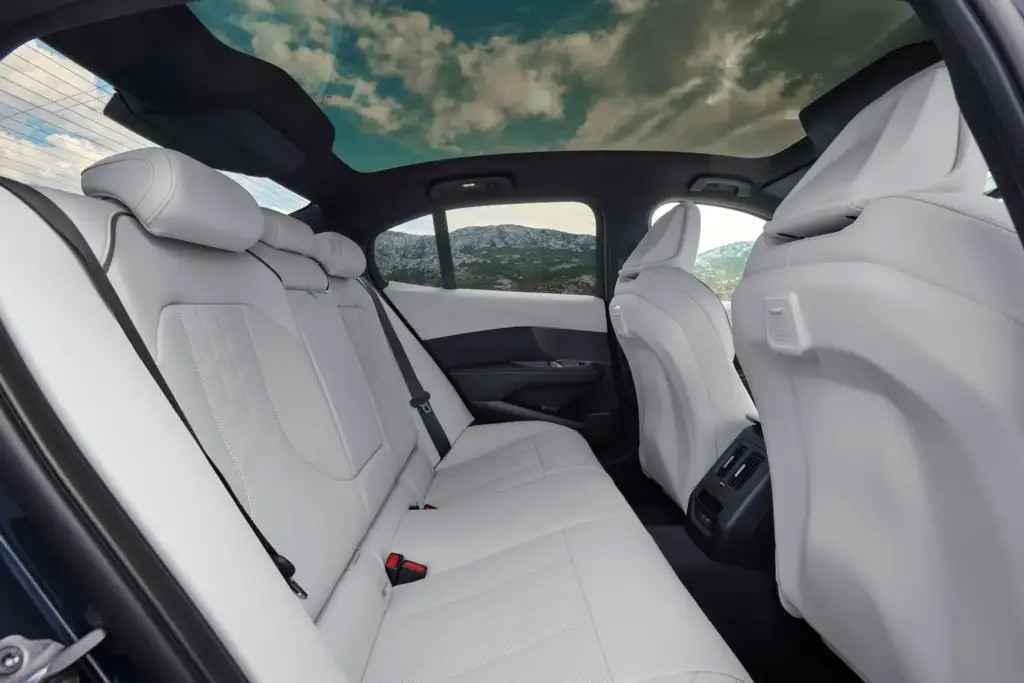
Visually, BMW has taken the 3 Series into the Neue Klasse era without turning it into something completely different. The sedan remains a traditional three-box BMW, but its proportions have been sharpened and its dimensions have increased.
The combustion-powered models measure 4765 mm in length, 1850 mm in width and 1455 mm in height, with a 2860-mm wheelbase.
| Specification | New BMW 3 Series | BMW 3 Series G20 |
|---|---|---|
| Length | 4765 mm | 4713 mm |
| Width | 1850 mm | 1827 mm |
| Height | 1455 mm | 1448 mm |
| Wheelbase | 2860 mm | 2851 mm |
The longer wheelbase, short overhangs and wider stance give the new sedan a more planted appearance. At the same time, BMW has kept the basic proportions that have defined the 3 Series for generations.
The Neue Klasse influence is most obvious in the lighting, grille treatment and simplified surfacing. Rather than copying the design of the new electric models, however, the 3 Series adapts those elements to a conventional sports sedan.
The Neue Klasse Changes the 3 Series Interior
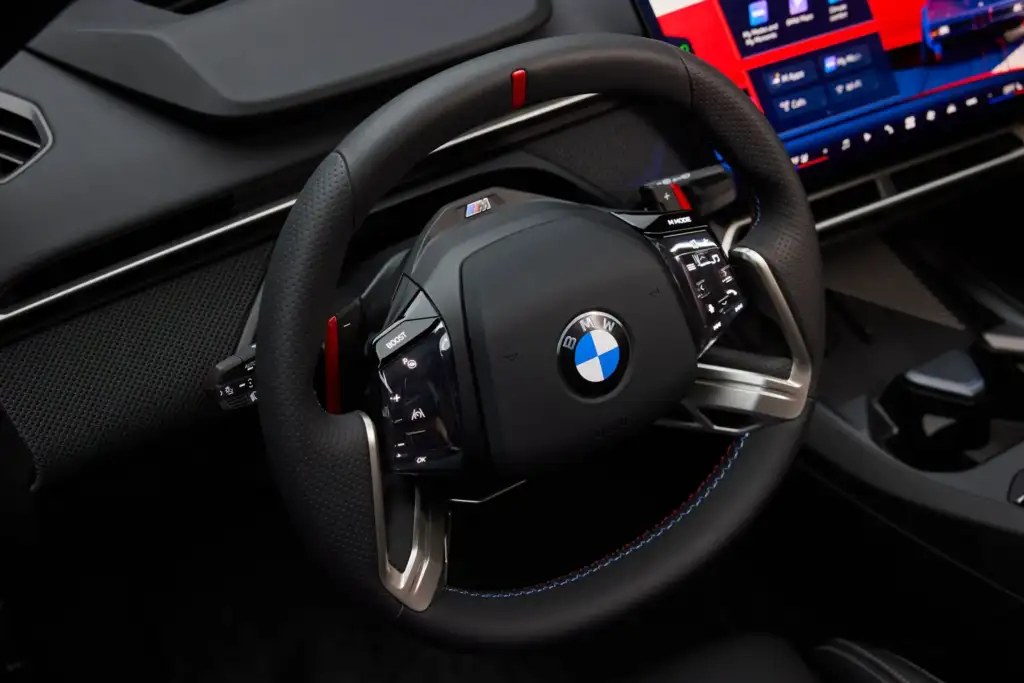
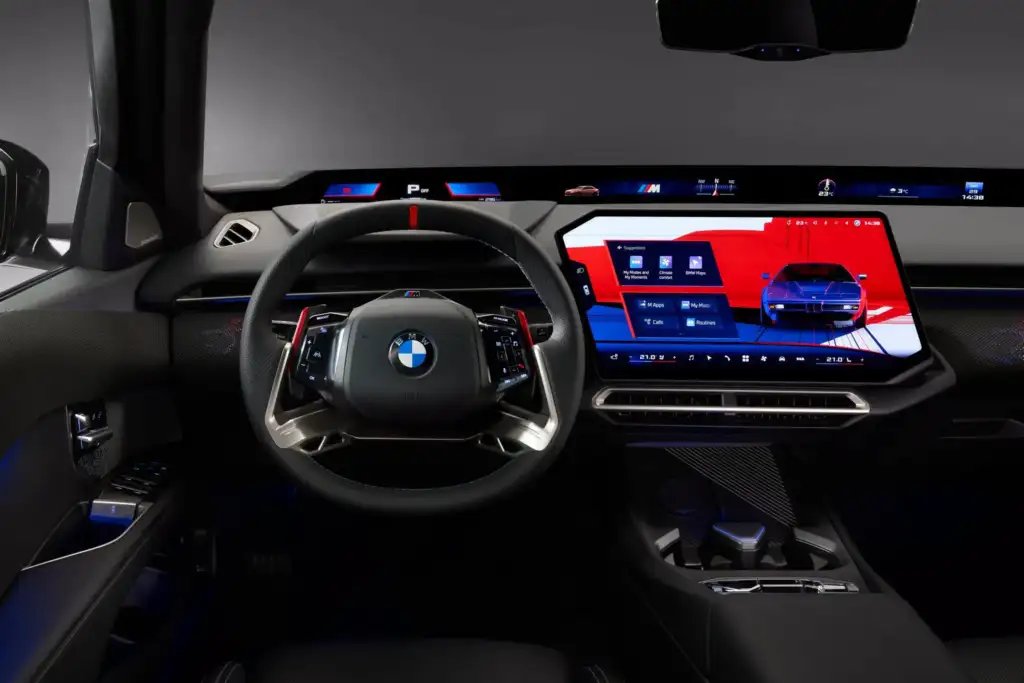
If the exterior represents an evolution of the 3 Series formula, the cabin marks a much more obvious change.
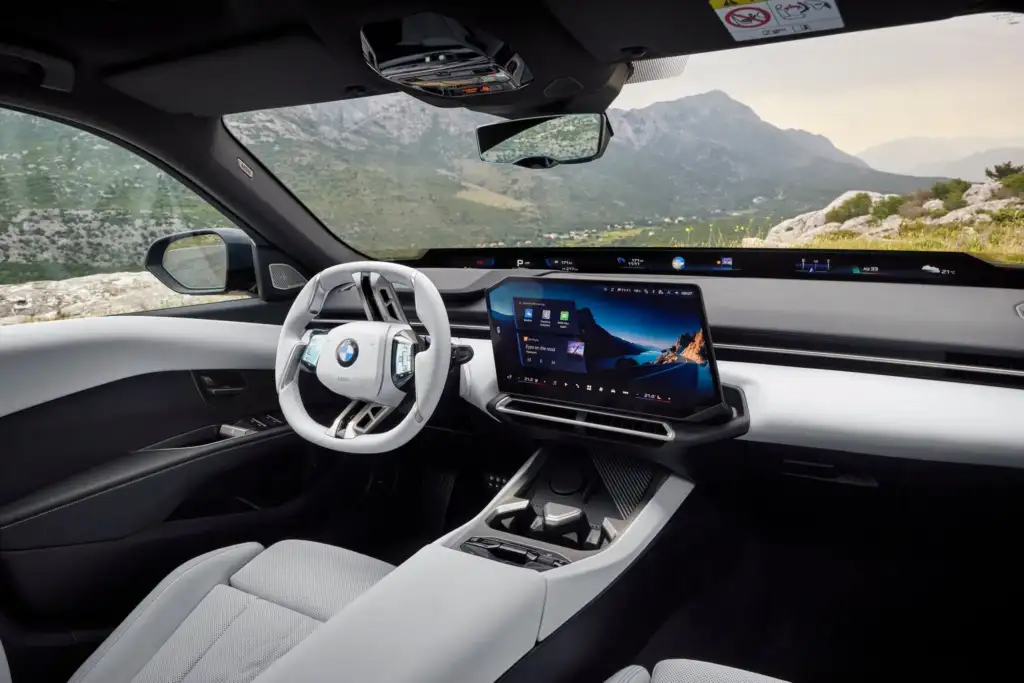
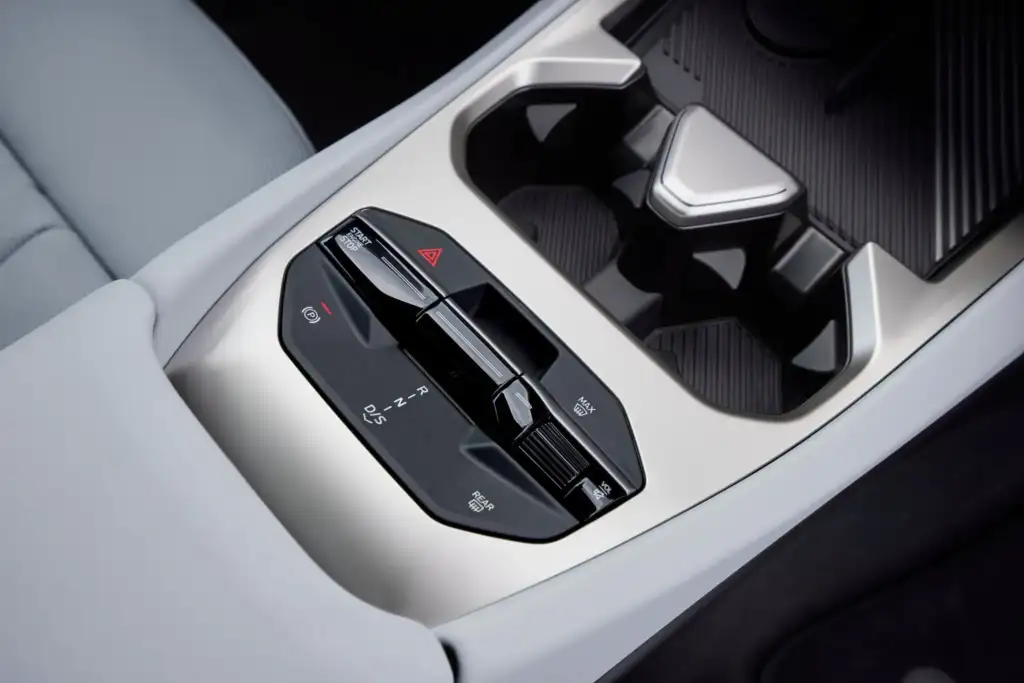
The new sedan introduces BMW Panoramic iDrive, bringing the Neue Klasse interface into the 3 Series. The system combines BMW Panoramic Vision, an optional BMW 3D Head-Up Display, the central display and the multifunction steering wheel.
The main screen measures 17.9 inches and is angled toward the driver. BMW Panoramic Vision extends the information display across the driver’s field of view, while the optional 3D Head-Up Display adds information directly ahead of the driver.
The system runs on BMW Operating System X and includes the latest BMW Intelligent Personal Assistant. BMW is also integrating Amazon Alexa+ AI technology as part of its next-generation voice interaction system.
For the driver, the result is a cabin that looks considerably different from the outgoing 3 Series, even though the basic layout remains focused on the person behind the wheel.
More Technology Behind the Wheel
The new 3 Series also brings a new generation of driver-assistance technology. BMW describes the overall approach as BMW Symbiotic Drive, with the vehicle designed to work more closely with the driver’s inputs and surrounding environment.
One of the key features is Motorway Assistant. On compatible roads, the system can allow hands-free driving at speeds of up to 130 km/h.
BMW plans to make Motorway Assistant available in 21 countries by the end of 2026, including Poland. Further development is already planned for 2027, when navigation-guided assistance is expected to support partially automated driving in urban environments.
These systems are part of a broader shift in the 3 Series toward software-defined vehicle technology, rather than simply adding another collection of isolated driver-assistance features.
Then There Is the BMW i3
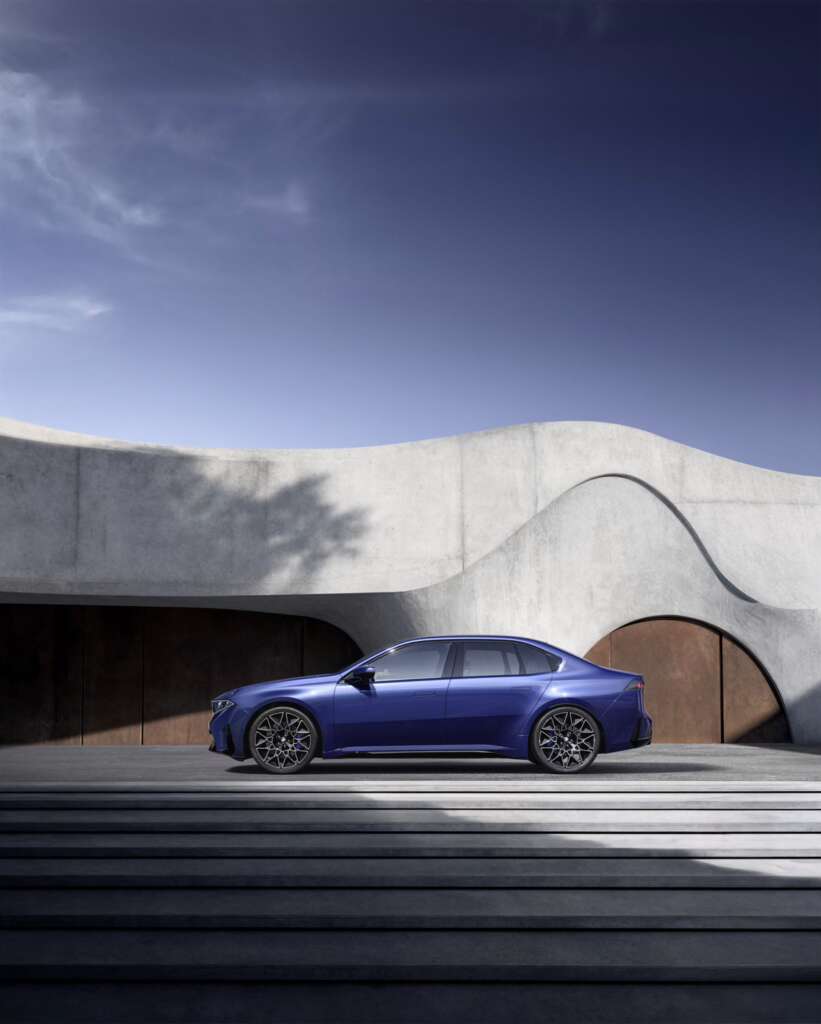
The biggest historical change to the 3 Series range is the arrival of the BMW i3. For the first time, the model family includes a fully electric 3 Series based on BMW’s Neue Klasse architecture.
The new i3 uses BMW’s sixth-generation eDrive technology and an 800-volt electrical system. Two versions are planned initially, with the range topped by the BMW i3 50 xDrive.
The i3 50 xDrive produces 469 hp and 645 Nm and accelerates from 0 to 62 mph in 4.7 seconds. Its 108.7-kWh net battery gives it a claimed WLTP range of up to 912 km.
DC charging can reach up to 400 kW. Under the conditions specified by BMW, up to 423 km of WLTP range can be added in 10 minutes.
The second launch model is the BMW i3 40 xDrive. It produces 374 hp and 520 Nm and uses an 82.8-kWh net battery. BMW quotes a maximum WLTP range of 710 km.
The electric family will grow again in 2027 with the BMW i3 M60 xDrive, bringing M Performance technology to the electric 3 Series lineup.
BMW Is Not Choosing One Powertrain
The new 3 Series is perhaps most interesting because BMW has not tried to make it fit into a single technological category.
The i3 represents the company’s electric future, with an 800-volt architecture, very long range and high-speed charging. At the other end of the lineup, the M350 xDrive keeps a six-cylinder gasoline engine at the center of the performance story.
There will also be a plug-in hybrid version, which BMW plans to add to the range within the following year.
That means the eighth-generation 3 Series will eventually combine combustion engines, plug-in hybrid technology and fully electric powertrains under the same model family.
BMW-Magazine perspective: The new 3 Series is a good example of where BMW finds itself right now. The company is moving aggressively toward electrification, but it has not completely separated performance from the combustion engine. The M350 xDrive still has an inline-six, 443 hp and xDrive, while Drift Moment will give it an entirely different character once the feature arrives in 2027. At the same time, the i3 pushes the other side of the 3 Series into Neue Klasse territory with a claimed range of up to 912 km.
Where the New 3 Series Will Be Built
Production responsibilities are split between BMW’s German plants. The combustion-powered 3 Series will be built at Dingolfing, while the fully electric BMW i3 will be produced in Munich.
The Munich plant is also entering a major transition of its own. From 2027, it is scheduled to produce Neue Klasse electric vehicles exclusively.
That makes the production locations another reflection of the broader transition taking place across BMW. The traditional 3 Series continues at Dingolfing, while the electric i3 becomes part of the Neue Klasse production strategy in Munich.
A New 3 Series, Without Leaving the Old Formula Behind
The eighth-generation BMW 3 Series is more than a technology update. It is the point where several different directions of BMW’s product strategy meet in one model family.
There is the new digital architecture, Panoramic iDrive and the latest driver-assistance systems. There is also the fully electric i3 with a claimed 912-km WLTP range. And then there is the M350 xDrive, still powered by a straight-six and capable of reaching 62 mph in 4.1 seconds.
That combination is what makes this generation particularly interesting. BMW is not replacing one 3 Series formula with another overnight. Instead, it is giving the model family several different paths forward.
For enthusiasts, the M350 xDrive will probably be the version to watch most closely. Its 443-hp inline-six keeps a familiar BMW ingredient alive, while the arrival of Drift Moment in 2027 suggests that the company is still willing to make its performance sedans feel playful in ways that go beyond outright acceleration.
FAQ: New BMW 3 Series
How much power does the BMW M350 xDrive have?
The BMW M350 xDrive produces a combined 443 hp and 580 Nm from its 3.0-liter inline-six and 48-volt mild-hybrid powertrain.
How fast is the BMW M350 xDrive?
The M350 xDrive accelerates from 0 to 62 mph in 4.1 seconds and has an electronically limited top speed of 155 mph.
What is BMW Drift Moment?
Drift Moment is a planned function for the M350 xDrive that can direct the full drive power to the rear wheels, allowing controlled oversteer. BMW plans to make it available during 2027, including through a Remote Software Upgrade for vehicles already delivered.
How far can the BMW i3 50 xDrive travel?
The BMW i3 50 xDrive has a claimed WLTP range of up to 912 km. It uses a 108.7-kWh net battery and supports DC charging at up to 400 kW.
Will the new BMW 3 Series still be available with combustion engines?
Yes. The initial combustion range includes the BMW 318, BMW 320 and BMW M350 xDrive. BMW also plans to add a plug-in hybrid version.
Is the BMW i3 the first electric 3 Series?
Yes. The new BMW i3 is the first fully electric model in the 3 Series family and is based on BMW’s Neue Klasse architecture.