

BMW has a new electric SUV success story in Europe, but the latest delivery figures show why the company cannot rely on a single model to turn its global performance around. The new BMW iX3 has attracted more than 100,000 orders in Europe, marking the strongest model launch in BMW Group history, according to the company. At the same time, global deliveries declined in the first nine months of 2026, with a sharp downturn in China weighing on the group’s results.
The contrast highlights two different sides of BMW’s current position. Europe is showing strong demand for the company’s new electric vehicles, while China remains a significant challenge. For BMW, the early reception of the iX3 is an encouraging sign for its Neue Klasse strategy. The bigger question is whether that momentum can translate into sustained growth across the global business.
BMW iX3 Sets a New Benchmark for BMW Model Launches
The new BMW iX3 has secured more than 100,000 orders in Europe within a year, according to BMW Group. The company describes the result as the most successful market launch of a model in its history.
The achievement is particularly important because the iX3 is one of the first production models representing BMW’s Neue Klasse strategy. The new generation introduces a different approach to electric vehicle architecture, battery technology, drivetrain efficiency and in-car digital systems.
BMW is positioning Neue Klasse as a foundation for the next phase of its product development. The iX3’s early reception suggests that the company has generated considerable interest in its latest electric SUV, although order numbers alone do not reveal how many vehicles have already been delivered to customers.
BMW iX3 50 xDrive: Range and Efficiency
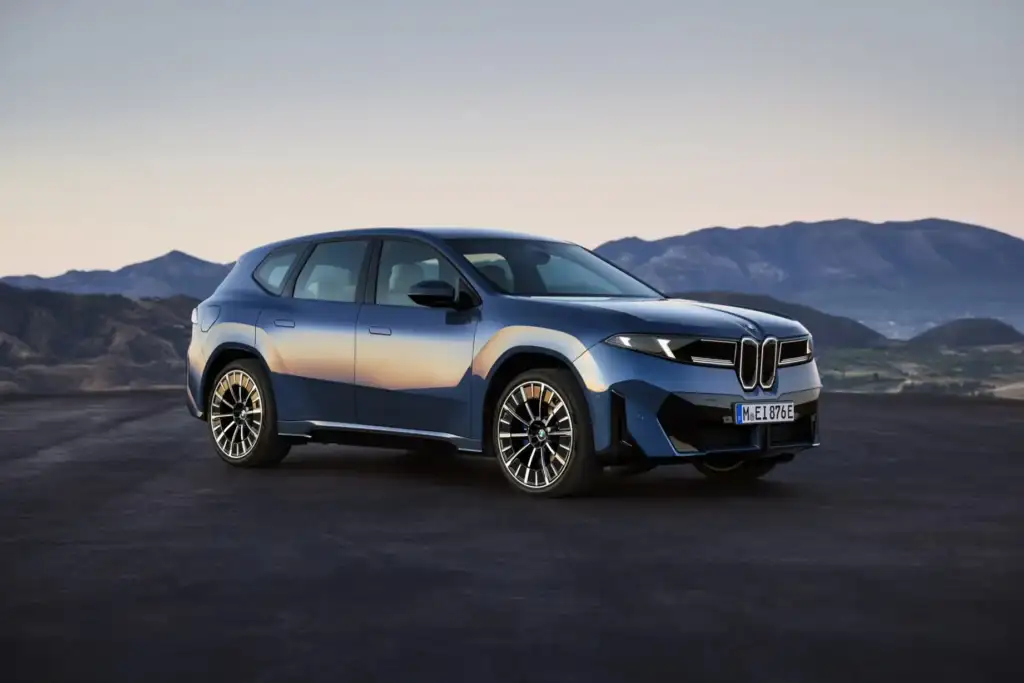
The BMW iX3 50 xDrive offers a WLTP driving range of up to 806 km, placing range among the model’s key selling points. BMW quotes the following technical figures for the electric SUV:
- WLTP range: 666–806 km (414–501 miles)
- Energy consumption: 16.1–19.4 kWh/100 km
- CO₂ emissions: 0 g/km
- CO₂ efficiency class: A
The figures vary depending on the vehicle configuration and equipment. Actual range and energy consumption will also depend on driving conditions, temperature, speed and other factors.
BMW is also preparing to expand the iX3’s presence in China, with the rollout of the Chinese-market version scheduled to begin in November 2026. This will be an important development for a company seeking to strengthen its position in one of the world’s largest automotive markets.
BMW Group Deliveries Fall 4.9% in the First Nine Months of 2026
Despite the strong debut of the iX3, BMW Group’s overall delivery figures tell a more complicated story. Between January and September 2026, the company delivered 1,707,799 vehicles across the BMW, MINI and Rolls-Royce brands worldwide.
That represents a 4.9% decline compared with the same period in 2025. The regional breakdown shows that the pressure is not evenly distributed across BMW’s markets. Europe and the United States recorded growth, while China experienced a substantial decline.
The following figures cover deliveries of BMW and MINI vehicles in selected markets and regions from January through September 2026.
| Market or region | Deliveries | Year-on-year change |
|---|---|---|
| Europe | 732,279 | +4.5% |
| Germany | 224,149 | +7.5% |
| United States | 307,402 | +3.4% |
| China | 376,128 | -21.8% |
| Americas sales region | 373,234 | +2.8% |
Source: BMW Group. January–September 2026. The United States is part of the Americas sales region, so these figures should not be added together.
China Remains BMW’s Biggest Regional Challenge
China is the clearest weak point in BMW Group’s latest delivery figures. BMW and MINI deliveries in the country fell by 21.8% during the first nine months of 2026. The decline accelerated in the third quarter, when deliveries dropped by 24.8% year on year.
Editor’s Choice
BMW attributes the results to difficult conditions in the Chinese automotive market. The figures underline the scale of the challenge facing the group in a market that remains important to its global business.
The contrast with Europe is striking. While deliveries increased in several established markets, the downturn in China was substantial enough to weigh on the group’s overall performance. A record-breaking launch in one region cannot, on its own, offset weakness across another major market.
The upcoming Chinese-market version of the new iX3 will therefore be worth watching. Its introduction gives BMW an opportunity to bring its latest electric vehicle technology to Chinese customers, but the available order figures in Europe do not yet establish how the model will perform in China.
Electric Car Demand Strengthens in Europe
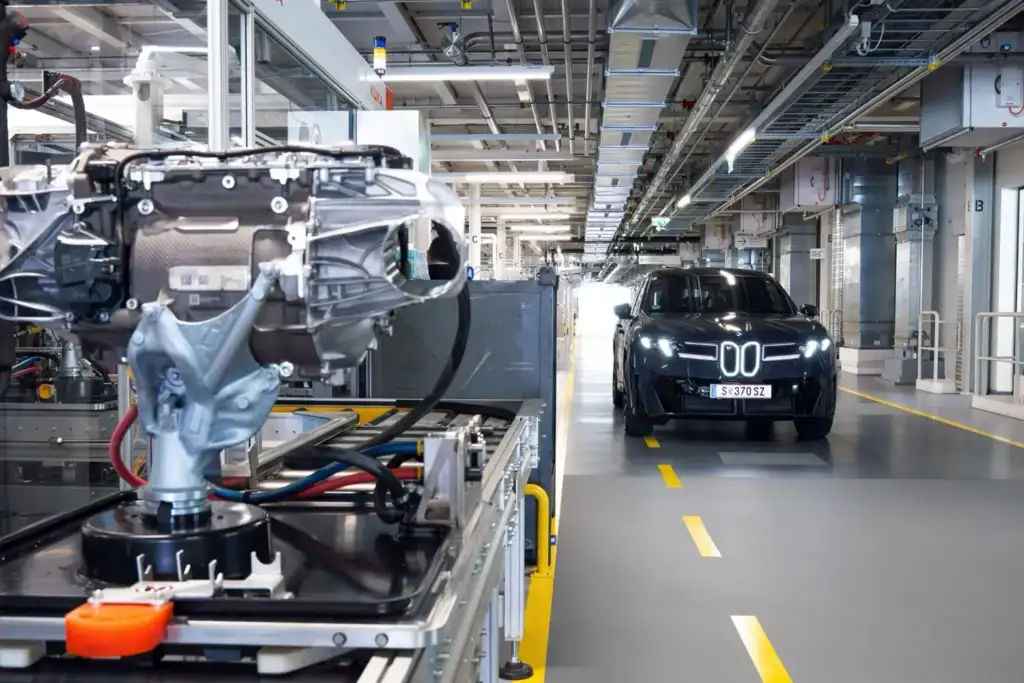
BMW Group’s third-quarter electric vehicle figures offer another positive signal, particularly in Europe. Worldwide, the group delivered 110,257 fully electric vehicles between July and September 2026, an increase of 7.2% compared with the same quarter last year.
Europe was the standout region. BMW Group delivered 81,941 fully electric vehicles there during the third quarter, representing year-on-year growth of 37.5%. In Germany, deliveries of fully electric vehicles increased by 38.5%.
Fully electric vehicles accounted for 34.7% of BMW Group’s deliveries in Europe during the quarter. In other words, more than one in three vehicles delivered by the group in the region was powered exclusively by electricity.
However, the quarterly improvement does not mean that BMW Group’s global electric vehicle deliveries were higher over the entire nine-month period. From January through September, the company delivered 314,552 fully electric vehicles worldwide, down 2.7% year on year.
Deliveries of electrified vehicles, including both battery-electric vehicles and plug-in hybrids, reached 446,202 units over the same period. That was a decline of 5.1% compared with the first nine months of 2025.
The distinction matters. BMW’s European electric vehicle business is gaining momentum, but the global figures remain more challenging. The performance of the iX3 and other Neue Klasse models will be an important indicator of whether the company can build on the recent regional improvement.
MINI Grows as BMW M and Rolls-Royce Lose Ground
The results also reveal different trends across BMW Group’s individual brands. MINI was one of the strongest performers, while BMW M and Rolls-Royce recorded lower deliveries.
MINI delivered 220,247 vehicles worldwide during the first nine months of 2026, an increase of 6.8% year on year. Fully electric models accounted for 37.2% of the brand’s deliveries. BMW Group highlighted interest in the John Cooper Works range and the MINI Paul Smith Edition among the factors supporting the brand’s performance.
BMW M GmbH, by comparison, delivered 148,510 vehicles over the same period, down 6.1%. Third-quarter deliveries totalled 48,915 cars, a decline of 6.3% year on year. BMW noted that sales of BMW M models in China remained stable despite the broader weakness in the market.
Rolls-Royce delivered 3,592 vehicles during the first nine months of the year, representing a decline of 12.4%.
BMW Motorrad also reported lower volumes. The motorcycle division delivered 149,452 motorcycles and scooters, down 6.1% compared with the same period in 2025.
These results show that BMW Group’s performance varies considerably across its portfolio. MINI’s growth provides a positive counterpoint to the declines recorded by several other businesses, but it does not eliminate the broader pressure on group deliveries.
What BMW Needs From the Neue Klasse
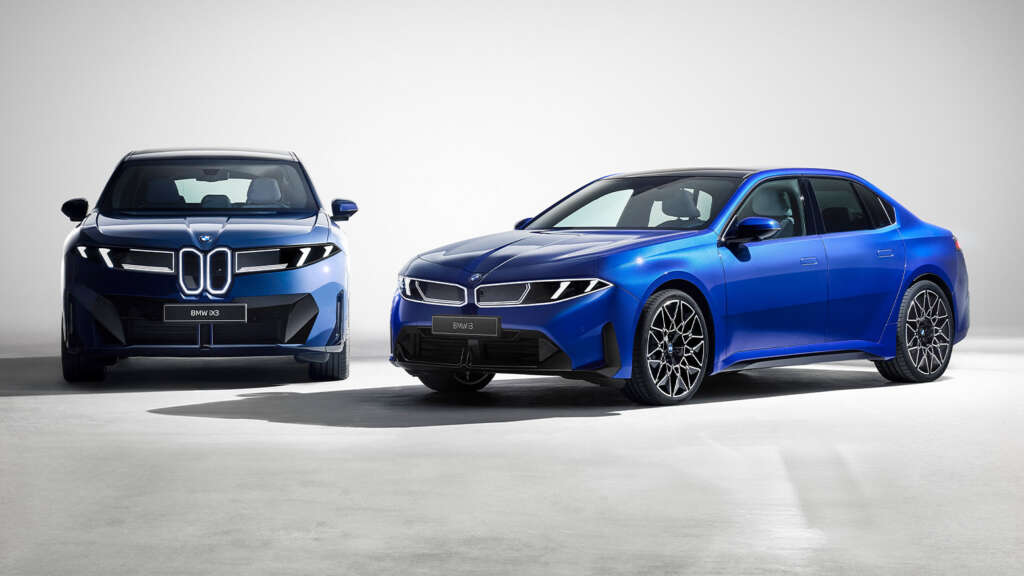
BMW Group’s results for the first nine months of 2026 present a mixed picture. The company has clear reasons for optimism in Europe, where deliveries are growing and demand for fully electric vehicles has strengthened. The new BMW iX3 has also achieved a record-breaking launch by the company’s own measure, giving the Neue Klasse strategy an encouraging start.
At the same time, global deliveries remain below last year’s level. The sharp decline in China continues to weigh on the business, while worldwide deliveries of fully electric vehicles were still lower over the first nine months despite the improvement recorded in the third quarter.
The next challenge is to turn early interest in the iX3 into sustained customer deliveries and broader growth. The model’s performance in China will be particularly important as BMW expands its Neue Klasse offering into additional markets.
For now, the iX3 is a promising sign rather than proof that BMW Group’s global delivery trend has changed. The coming quarters will show whether the new electric SUV can help strengthen the company’s position beyond Europe and contribute to a more consistent recovery across its global business.
Frequently Asked Questions
How many orders has the new BMW iX3 received?
BMW Group says the new BMW iX3 has received more than 100,000 orders in Europe within a year. The company describes this as the most successful model launch in its history.
How many vehicles did BMW Group deliver in 2026?
BMW Group delivered 1,707,799 vehicles across the BMW, MINI and Rolls-Royce brands worldwide between January and September 2026. This was a 4.9% decline compared with the same period in 2025.
How far can the BMW iX3 50 xDrive travel on a charge?
The BMW iX3 50 xDrive has a WLTP driving range of 666–806 km (414–501 miles), with quoted energy consumption of 16.1–19.4 kWh/100 km. Actual results depend on vehicle configuration and driving conditions.
How did BMW Group’s deliveries in China perform?
Deliveries of BMW and MINI vehicles in China fell by 21.8% during the first nine months of 2026. In the third quarter alone, deliveries declined by 24.8% year on year.
What share of BMW Group’s European deliveries were fully electric?
Fully electric vehicles accounted for 34.7% of BMW Group’s deliveries in Europe during the third quarter of 2026. The group delivered 81,941 fully electric vehicles in the region, up 37.5% year on year.
Source: BMW Group, quarterly delivery figures released on October 13, 2026.
