

BMW Drift Moment Explained: The Technology Behind the New 3 Series
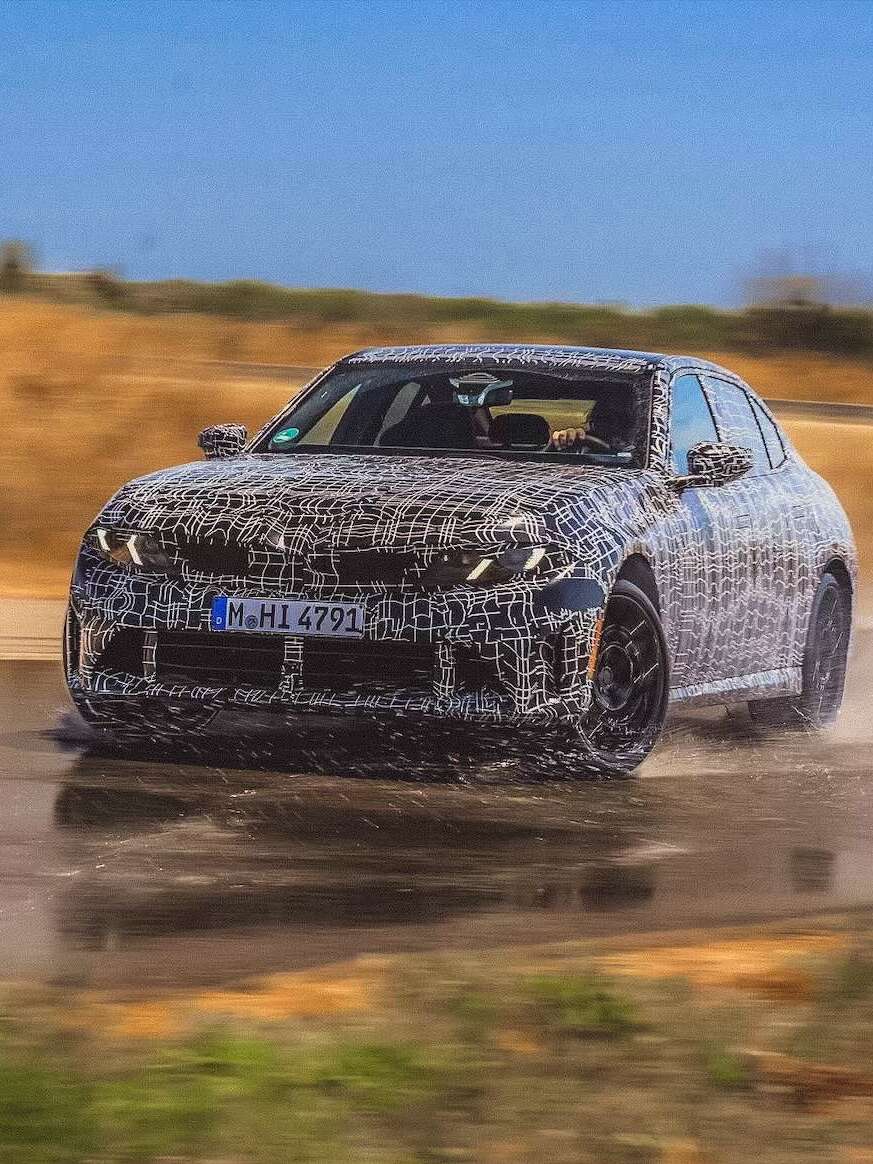
What happens when BMW takes an all-wheel-drive M Performance sedan and gives the driver a function designed to send the engine’s drive entirely to the rear wheels? The answer is the new BMW Drift Moment. Introduced with the upcoming BMW M350 xDrive, the technology brings a driving experience previously associated with BMW M high-performance models into the new 3 Series.
At first glance, Drift Moment sounds like another electronic “drift mode”. But the technology is more interesting than a simple switch that turns stability control off. It is part of a much broader approach to vehicle dynamics, combining BMW xDrive, a multidisc clutch, electronic control systems and the new BMW Driving Stack.
What Is BMW Drift Moment?
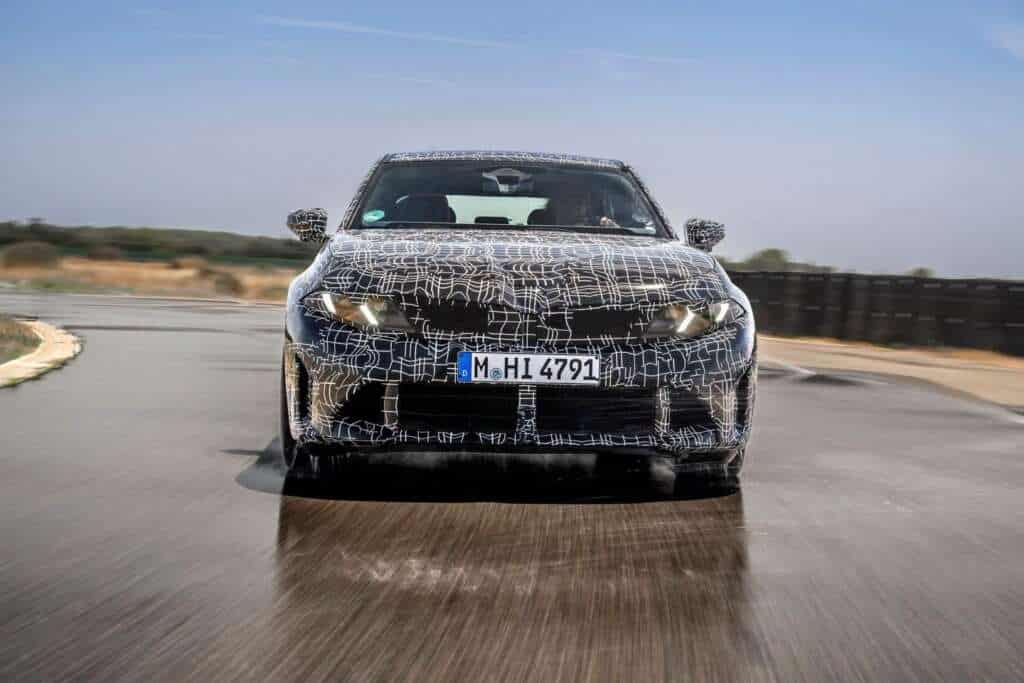
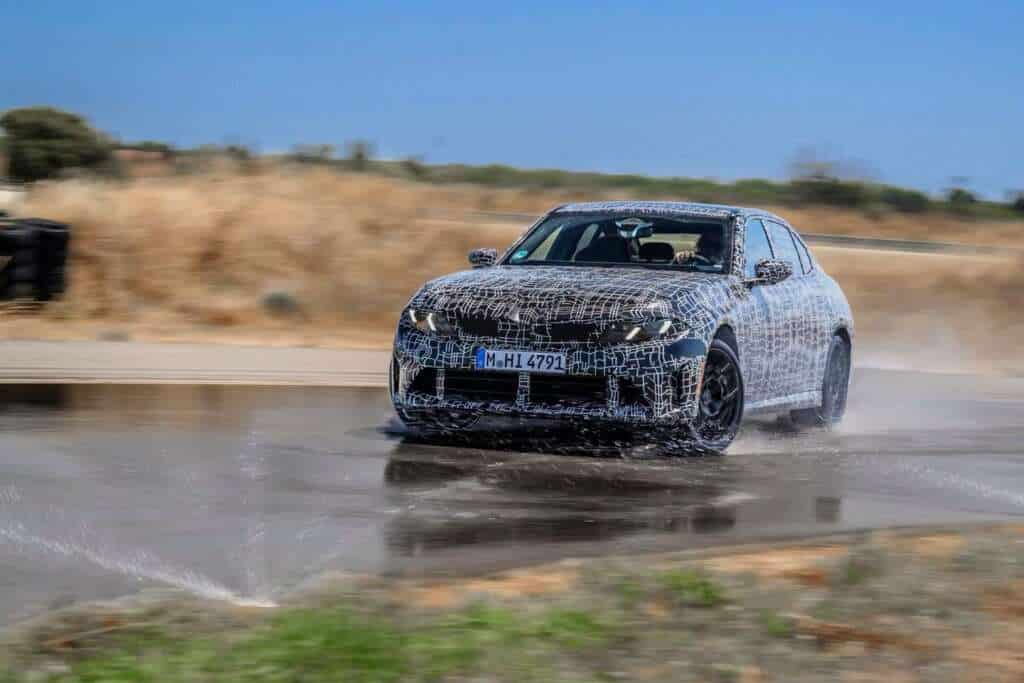
Drift Moment is a new driving function developed for the BMW M350 xDrive. When activated through the Central Display, the drive generated by the engine is sent in full to the rear wheels.
The system is designed specifically to maximise the enjoyment of controlled sideways driving. BMW describes the experience as unfiltered and agile, bringing a type of driving previously reserved for high-performance models from BMW M GmbH to an M Performance model.
The important detail is that the function does not simply rely on the driver switching off the car’s electronic safety systems. Drift Moment works together with the M-specific control of the multidisc clutch and DSC OFF to create the intended rear-driven character.
How Does BMW Drift Moment Work?
The process starts with the driver activating Drift Moment through the Central Display. Once the function is engaged, the drive from the combustion engine is directed entirely to the rear wheels.
That changes the fundamental behaviour of the xDrive system. Instead of continuously distributing engine drive between the front and rear axles, the system is configured to deliver the engine’s drive to the rear axle for the Drift Moment experience.
The technology is therefore closely connected to the way BMW manages its all-wheel-drive system. The multidisc clutch remains an important part of the equation, while DSC OFF removes the intervention of the stability control system that would otherwise work to prevent the car from entering or maintaining a controlled slide.
BMW has not published a detailed technical breakdown of every control parameter used by Drift Moment. What the company does confirm is that the function combines full rear-wheel drive from the engine with M-specific multidisc clutch control and DSC OFF.
Why BMW xDrive Is Important
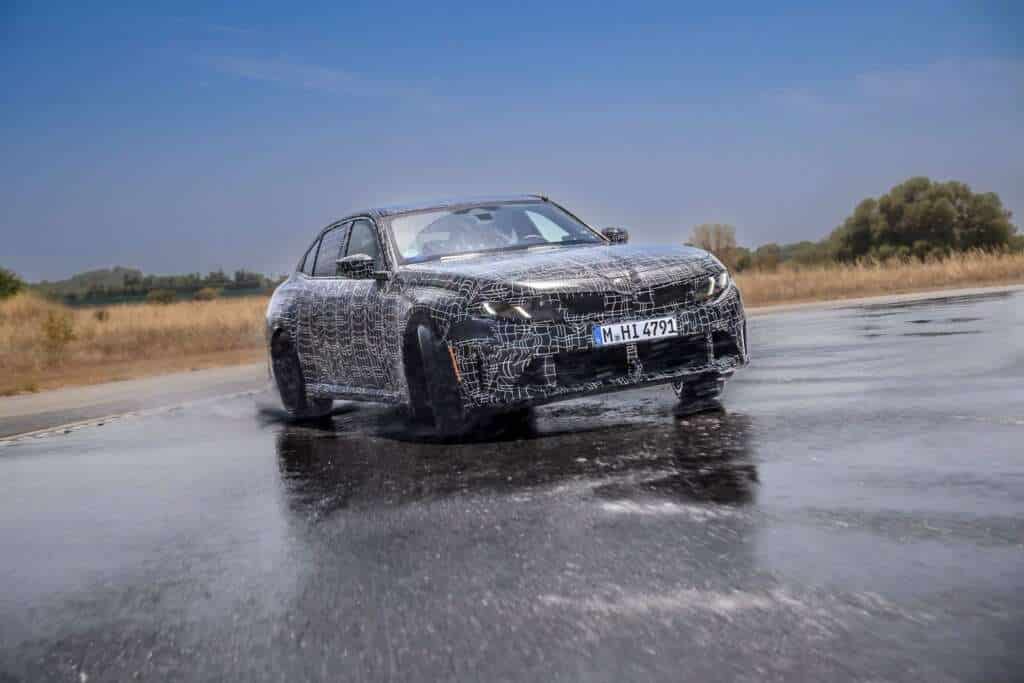
The new function is particularly interesting because the BMW M350 xDrive is not a conventional rear-wheel-drive car. It uses BMW xDrive intelligent all-wheel drive as standard.
READ MORE: BMW Neue Klasse: the story that saved the brand from Munich
That means the character of the car can be changed electronically without abandoning the underlying all-wheel-drive architecture. The same hardware that provides traction and stability in normal driving can be controlled differently when the driver deliberately chooses a more playful driving mode.
This is an important distinction between Drift Moment and the simple idea of “turning off the electronics”. BMW is using the vehicle’s existing drivetrain hardware and its ability to control the multidisc clutch to create a specific driving experience.
The BMW Driving Stack Behind the Experience
Drift Moment is only one example of how much responsibility modern BMW software has for the way a car feels from behind the wheel.
Editor’s Choice
The new BMW 3 Series introduces a newly developed electronics and software architecture. At the centre of the driving-related functions is the BMW Driving Stack, an integrated hardware and software system designed to make the different systems involved in vehicle dynamics work together.
In combustion-engine versions of the new 3 Series, BMW uses an optimised BMW Driving Stack developed specifically for this type of drivetrain. Its transverse dynamics management system brings together the agility-related driving functions, including the dynamic all-wheel-drive system.
At the same time, stabilisation and engine management remain handled by a carefully coordinated group of specialised control units. BMW says these systems have been continuously developed over decades.
This combination of established mechanical technology and increasingly sophisticated software is what makes features such as Drift Moment possible.
Why the BMW M350 xDrive Is the Perfect Testbed
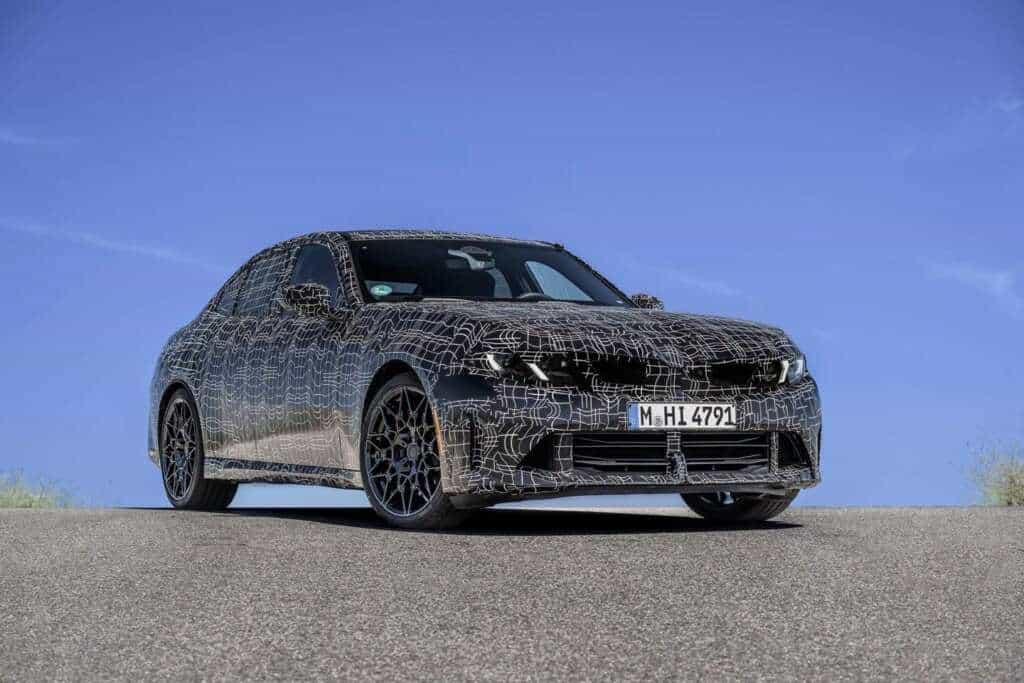
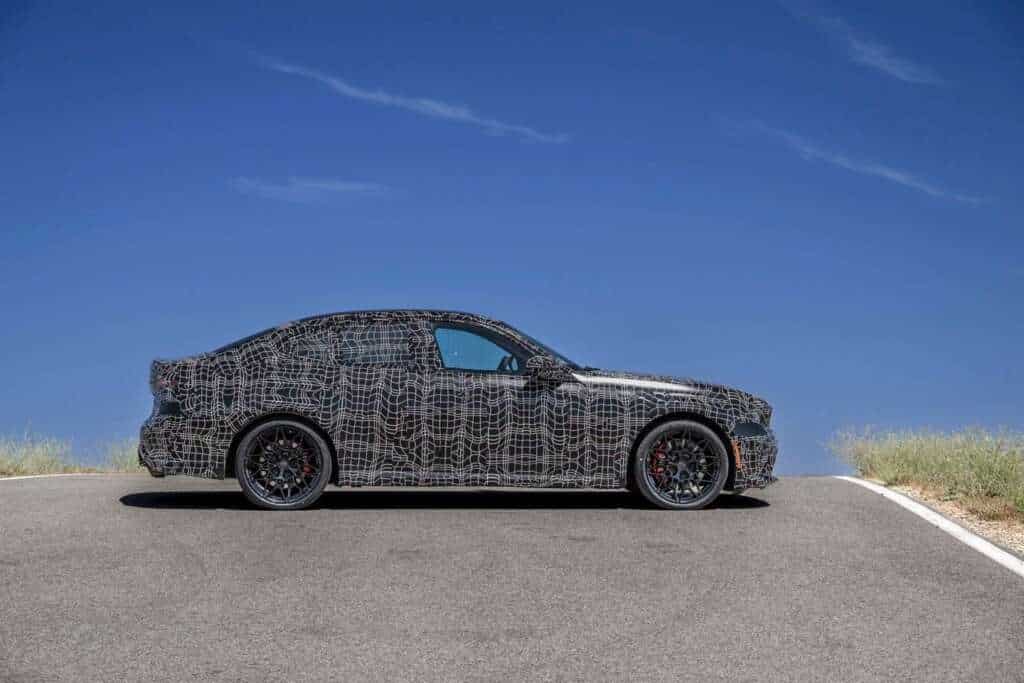
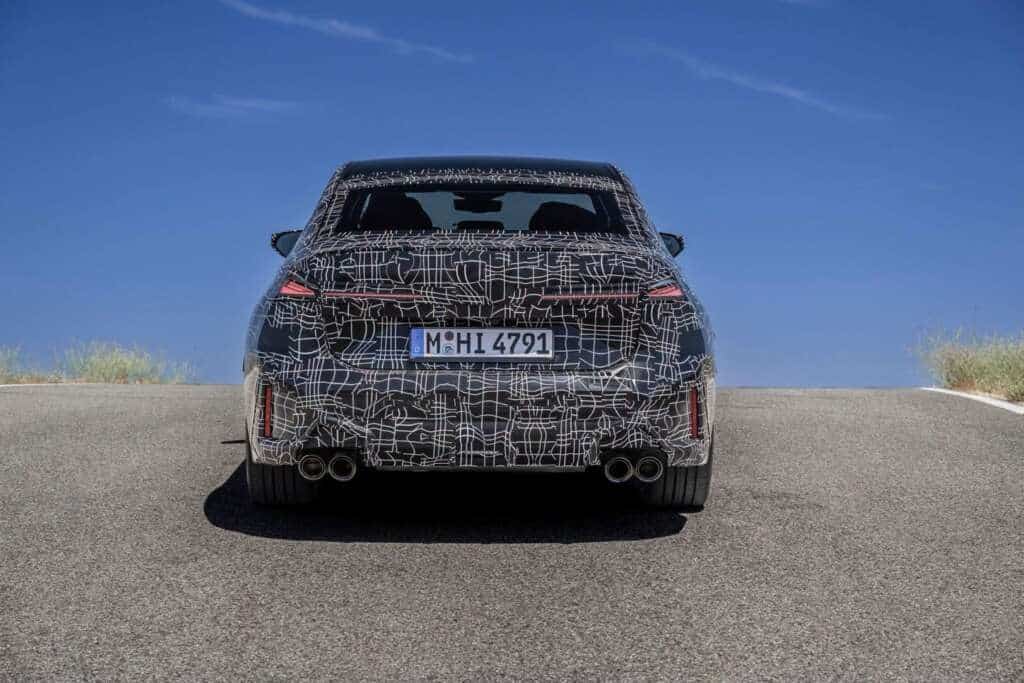
The BMW M350 xDrive is the range-topping combustion-engine model in the new 3 Series family, making it a natural showcase for Drift Moment.
It is also the only version of the new BMW 3 Series to use a six-cylinder engine. Under the hood is a 3.0-litre BMW TwinPower Turbo inline-six paired with 48V mild hybrid technology.
| BMW M350 xDrive | Specification |
|---|---|
| Engine | 3.0-litre BMW TwinPower Turbo inline-six |
| Electrification | 48V mild hybrid technology |
| Combined output | 326 kW / 443 hp |
| Torque | 580 Nm / 428 lb-ft |
| Transmission | 8-speed BMW Steptronic |
| Drive system | BMW xDrive intelligent all-wheel drive |
| 0–100 km/h | 4.1 seconds |
| Top speed | 250 km/h / 155 mph |
| Suspension | Adaptive M suspension |
| Differential | M Sport differential |
| Steering | Variable sport steering |
The combination of the combustion engine and electric motor produces a combined 326 kW, or 443 hp, with 580 Nm of torque. The M350 xDrive accelerates from 0 to 100 km/h in 4.1 seconds and has a top speed of 250 km/h.
BMW also gives the M350 xDrive adaptive M suspension, an M Sport differential and variable sport steering as standard. These mechanical and electronic systems provide the foundation for the car’s dynamic character before Drift Moment is even activated.
More Than a Software Trick
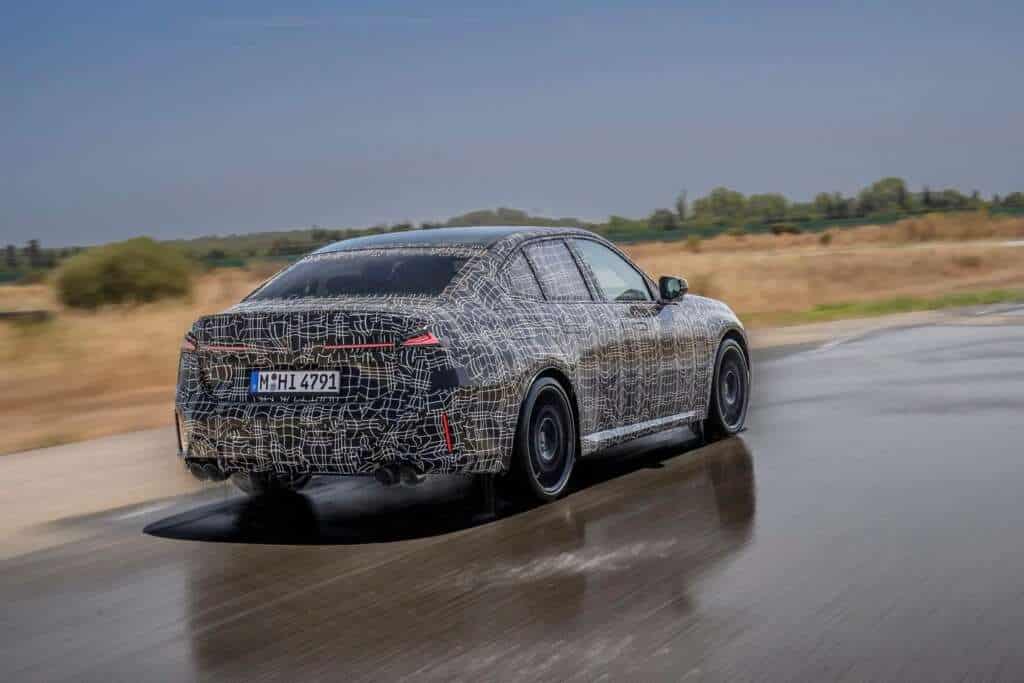
It would be easy to describe Drift Moment as simply a software feature. That would miss the bigger picture.
The function demonstrates how modern BMWs are increasingly able to change their driving characteristics through the coordinated operation of hardware and software. The engine, transmission, xDrive system, multidisc clutch, differential, stability control and chassis all have to work within the same dynamic framework.
BMW is therefore not replacing mechanical engineering with software. Instead, software is becoming the layer that coordinates increasingly sophisticated mechanical systems.
That philosophy can be seen throughout the new 3 Series. The car combines a longer wheelbase, wider front and rear tracks, an almost perfectly balanced distribution of weight between the axles, a double-joint spring strut front axle and a five-link rear axle.
The standard suspension uses newly developed lift-related dampers, while adaptive suspension and adaptive M suspension are available for customers looking for a higher level of driving dynamics and comfort.
20-Inch Sports Tyres Add Another Layer
The new BMW 3 Series can also be specified with optional sports tyres in sizes that underline the emphasis on dynamic driving.
The available combination measures 245/35 R20 at the front and 275/30 R20 at the rear.
For a car capable of changing its drivetrain behaviour at the touch of a screen, the physical connection with the road remains just as important. Tyres, suspension geometry, steering and braking hardware still determine how the driver ultimately experiences every input.
Drift Moment Will Arrive in 2027
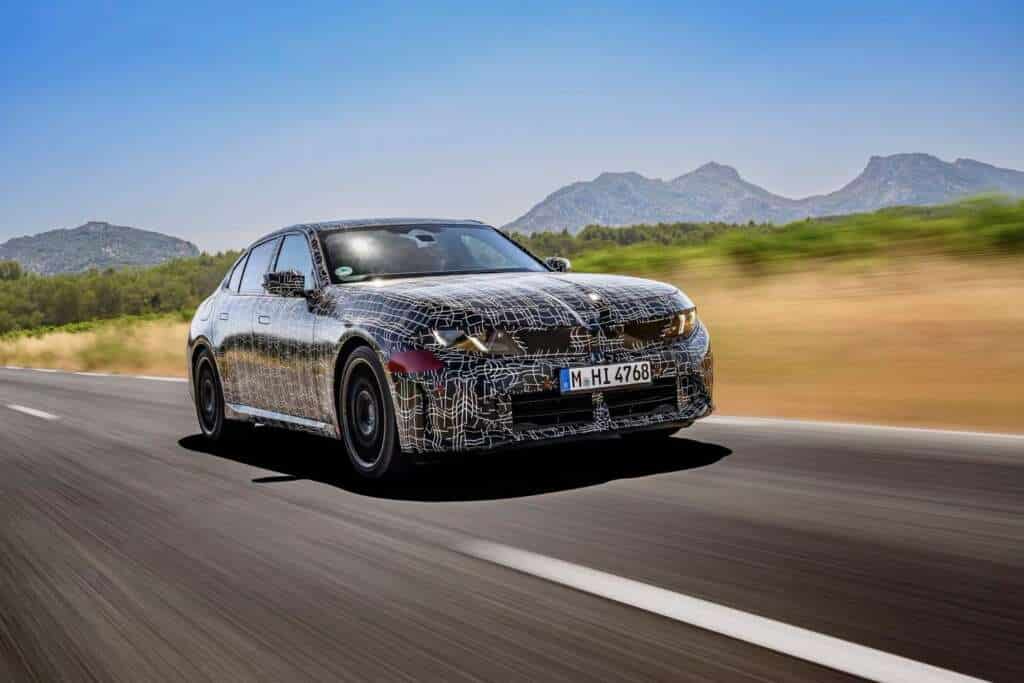
BMW plans to make Drift Moment available during the course of 2027.
Perhaps the most interesting part is that the feature is not necessarily limited to cars produced after its launch. BMW says that Drift Moment will also be activated via Remote Software Upgrade in cars that have already been delivered to customers.
This is another clear example of the changing relationship between the vehicle and its software. A car can leave the factory with its hardware already in place and later gain a new driving function through an over-the-air software update.
The New 3 Series Is Becoming a Software-Defined Driving Machine
The BMW M350 xDrive and its Drift Moment function offer a fascinating glimpse into where BMW is taking vehicle dynamics.
The new generation of the 3 Series combines the familiar ingredients of a BMW sports sedan with a new digital architecture. There is still a six-cylinder engine, an intelligent all-wheel-drive system, an M Sport differential and a sophisticated chassis. But the way these components interact is increasingly controlled by software.
Drift Moment is perhaps the most entertaining demonstration of that philosophy. A function activated from the Central Display can change the behaviour of the drivetrain and turn an all-wheel-drive M Performance sedan into a car focused on rear-wheel-driven sideways action.
It is not simply about making a car easier to drift. It is about showing how software can become an integral part of the mechanical character of a BMW.
BMW Drift Moment: Key Facts
- Available in the new BMW M350 xDrive
- Designed to maximise the enjoyment of controlled sideways driving
- Activated through the Central Display
- Engine drive is sent in full to the rear wheels
- Works with M-specific multidisc clutch control
- Designed to operate with DSC OFF
- BMW xDrive remains the underlying all-wheel-drive architecture
- Available during the course of 2027
- Planned for activation via Remote Software Upgrade in cars already delivered
- M350 xDrive produces 443 hp and 580 Nm
- 0–100 km/h takes 4.1 seconds
*The BMW M350 xDrive is a development-phase vehicle. The figures provided by BMW are provisional, and WLTP fuel consumption data is not yet available.
