

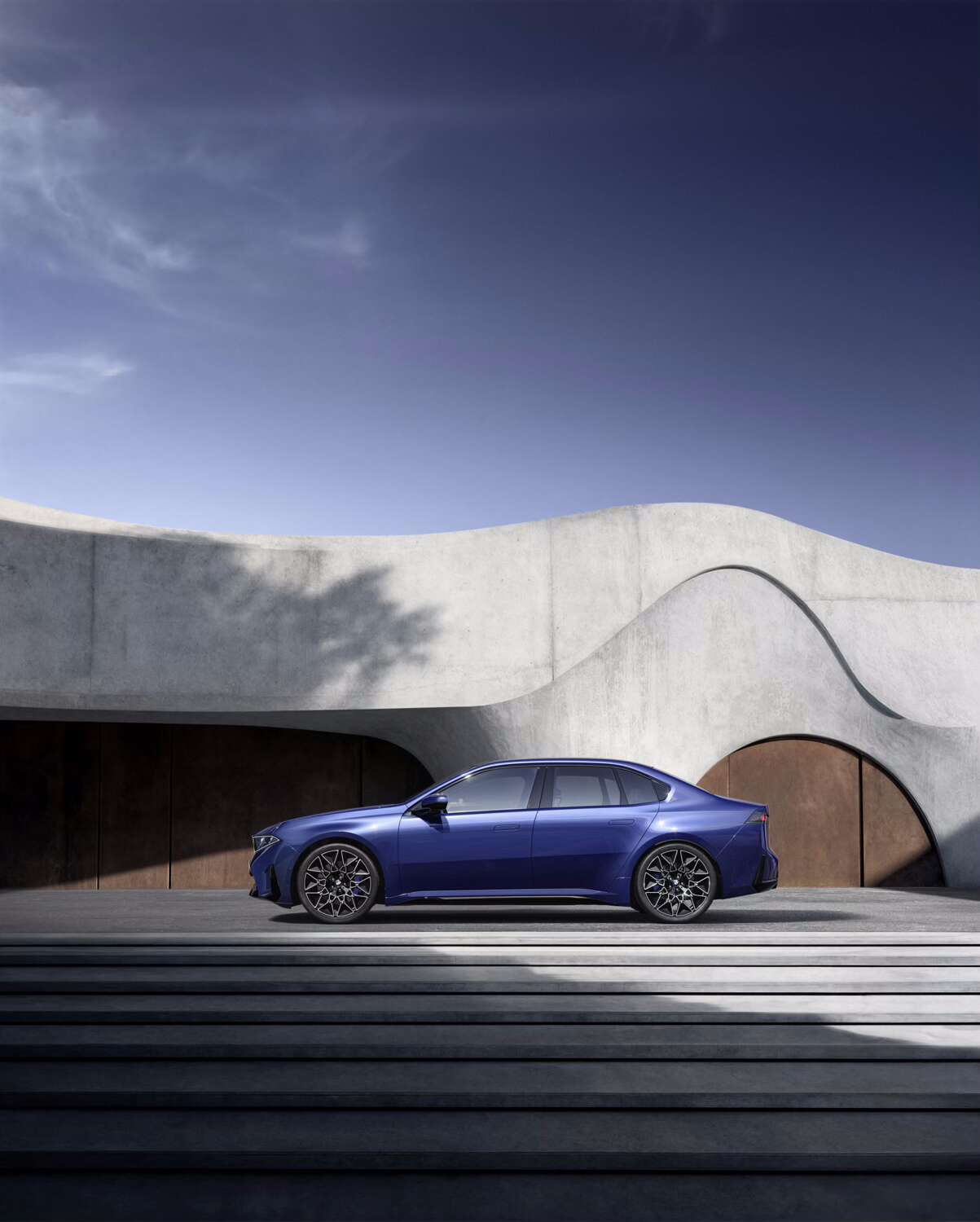
There are moments in automotive history when a single model doesn’t just expand a lineup — it redraws the entire map.
The new BMW i3 2026 is one of those moments.
After months of speculation, spy shots, and controlled leaks, BMW has officially revealed the second pillar of its Neue Klasse era. But calling it “just another electric sedan” would be missing the point entirely.
This is BMW redefining what a 3 Series means — for the next 50 years.
Neue Klasse Isn’t a Platform. It’s a Reset
BMW doesn’t use the term Neue Klasse lightly. The original “New Class” of the 1960s quite literally saved the company and laid the foundation for everything we now associate with the brand — balance, precision, driver focus.
This new chapter feels just as ambitious.
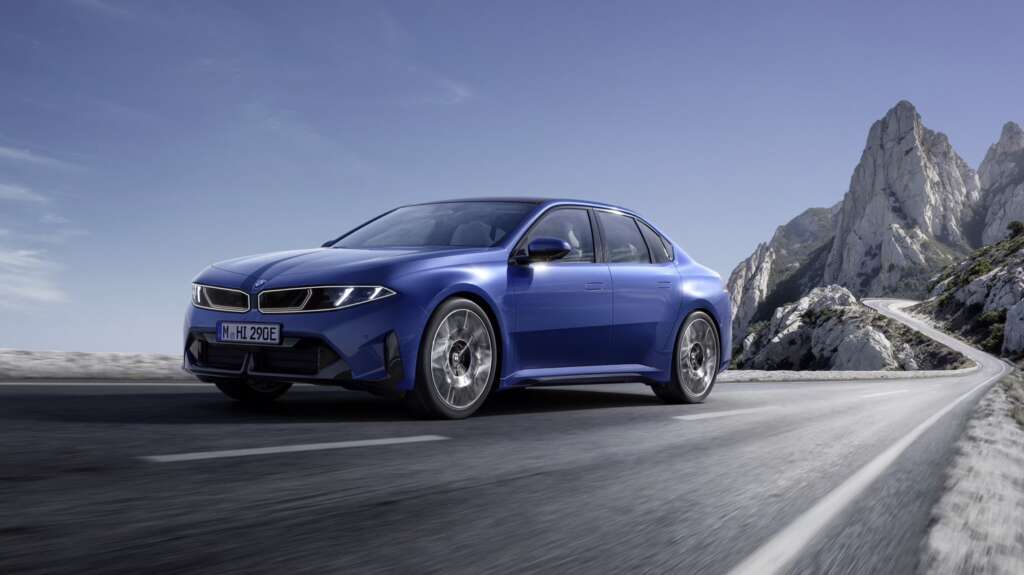
The i3 is not a successor in the traditional sense. It’s a reinterpretation of BMW’s core idea: a compact, driver-oriented sports sedan — now translated into an electric future.
And it shows in every proportion.
Long wheelbase. Short overhangs. Clean surfaces. No excess.
The design language is reduced, but not minimal for the sake of trends — it’s intentional. Focused. Almost architectural.
At the front, BMW merges its iconic kidney grille and dual headlights into a single, expressive light signature. Add the Iconic Glow animations, and suddenly the car feels alive before it even moves.
This is not retro. This is BMW trying to define what “modern” should look like.
900 Kilometers. A Statement, Not Just a Number
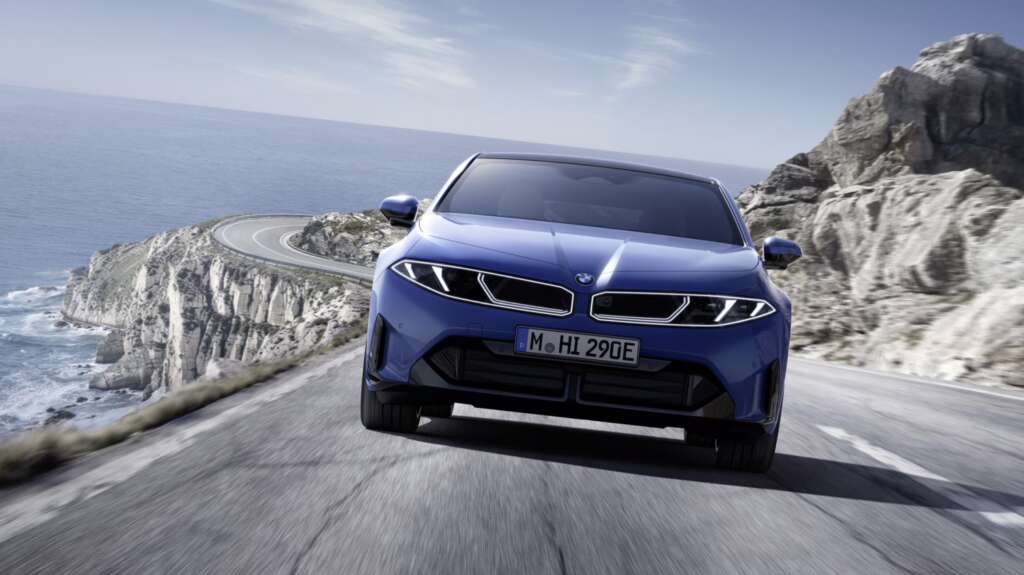
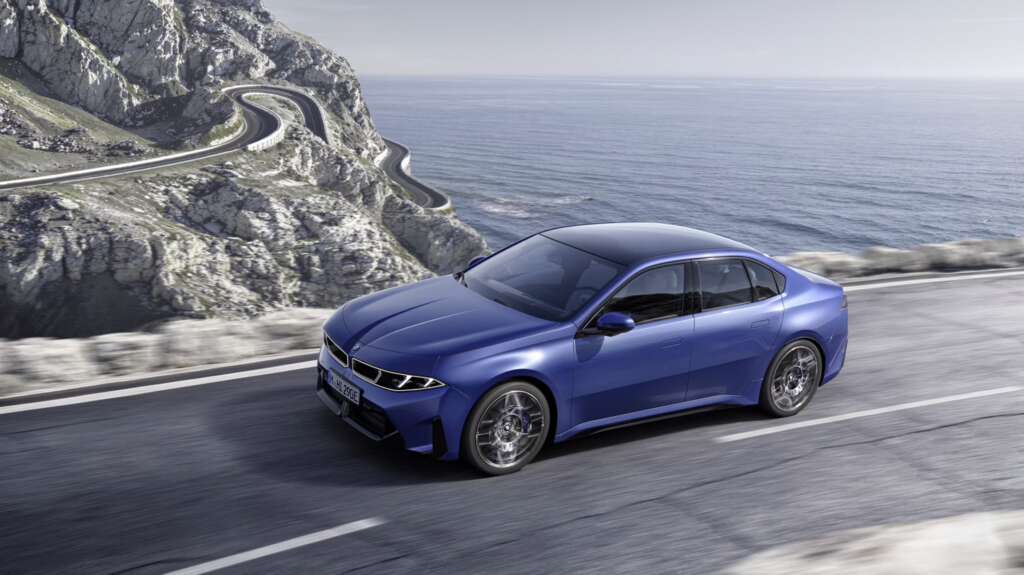
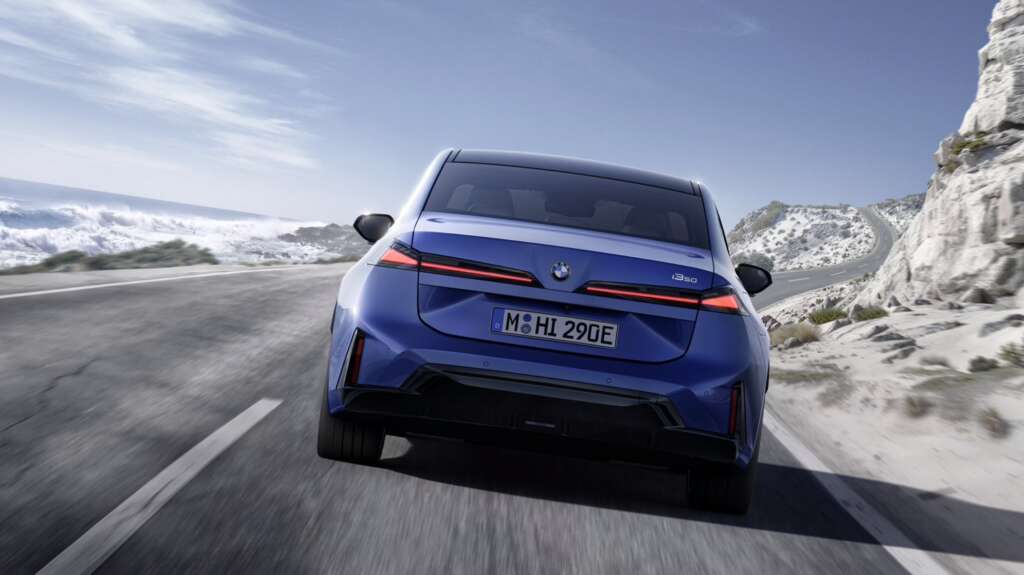
Let’s address the headline figure: up to 900 km of WLTP range.
On paper, that alone places the i3 ahead of most current competitors — including the Tesla Model 3 and upcoming Mercedes CLA EV. But the real story isn’t the number.
It’s what the number represents.
For the first time, an electric BMW sedan in this segment can realistically replace a combustion car in every scenario — including long-distance, high-speed motorway driving.
And that changes everything.
The sixth-generation eDrive system, built around an 800V architecture and new cylindrical battery cells, delivers:
- 345 kW / 469 hp
- 645 Nm of torque
- Up to 400 kW DC charging
- ~400 km of range in just 10 minutes
If these figures hold up in real-world conditions, BMW isn’t just competing anymore — it’s redefining expectations.
Range anxiety? Practically irrelevant.
Driving Pleasure, Rewritten by Software
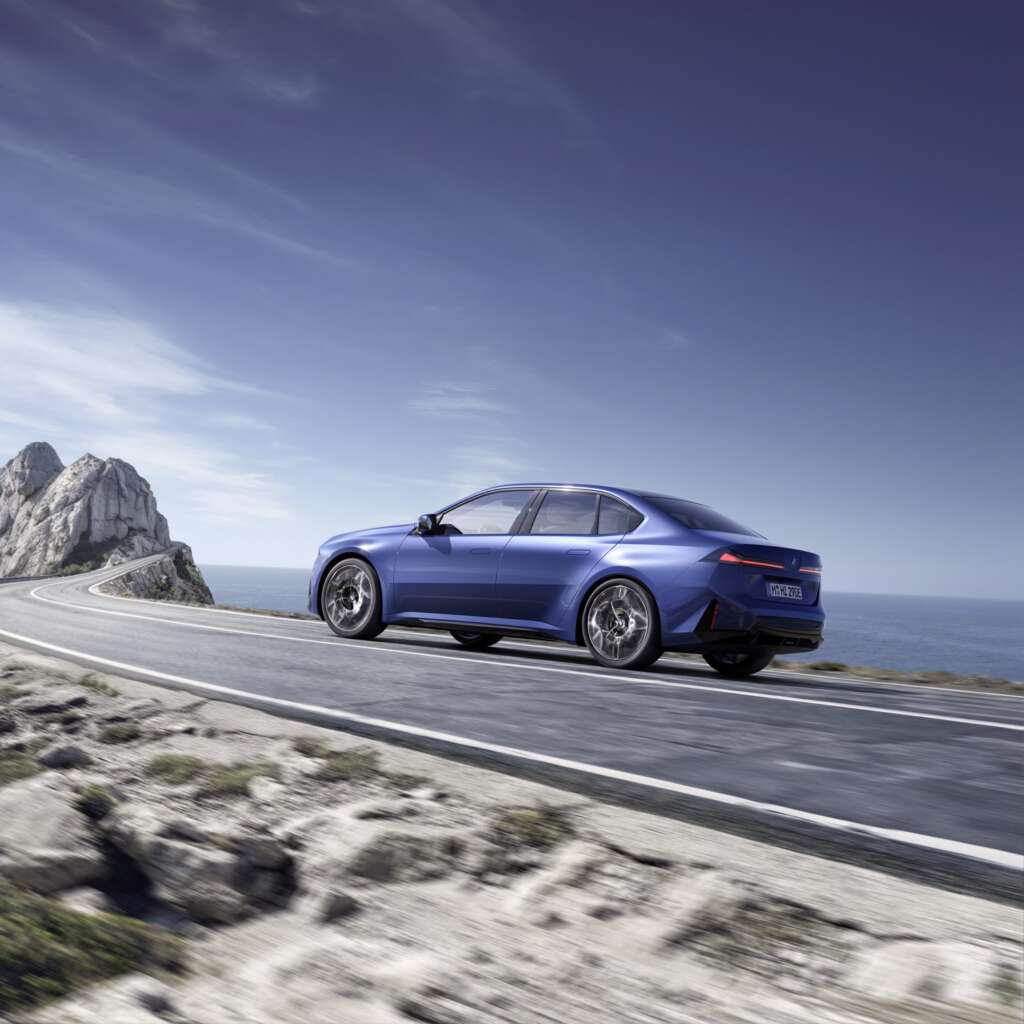
BMW has always built its reputation on how its cars feel behind the wheel. The risk with electrification was obvious: lose the emotion, lose the brand.
Editor’s Choice
The answer is something called Heart of Joy.
It sounds like marketing — until you understand what it does.
This new central computer is reportedly ten times faster than previous systems and controls not only the drivetrain, but also braking, energy recuperation, and lateral dynamics in real time.
Combined with the BMW Symbiotic Drive concept, the goal is clear: not to replace the driver, but to enhance them.
One small but telling detail? The new “Soft Stop” function — engineered to deliver the smoothest stopping experience in BMW history.
It’s subtle. But that’s the point.
BMW isn’t chasing gimmicks here. It’s refining the driving experience at a level most drivers will feel, even if they can’t immediately explain why.
A Cabin That Breaks 100 Years of Convention
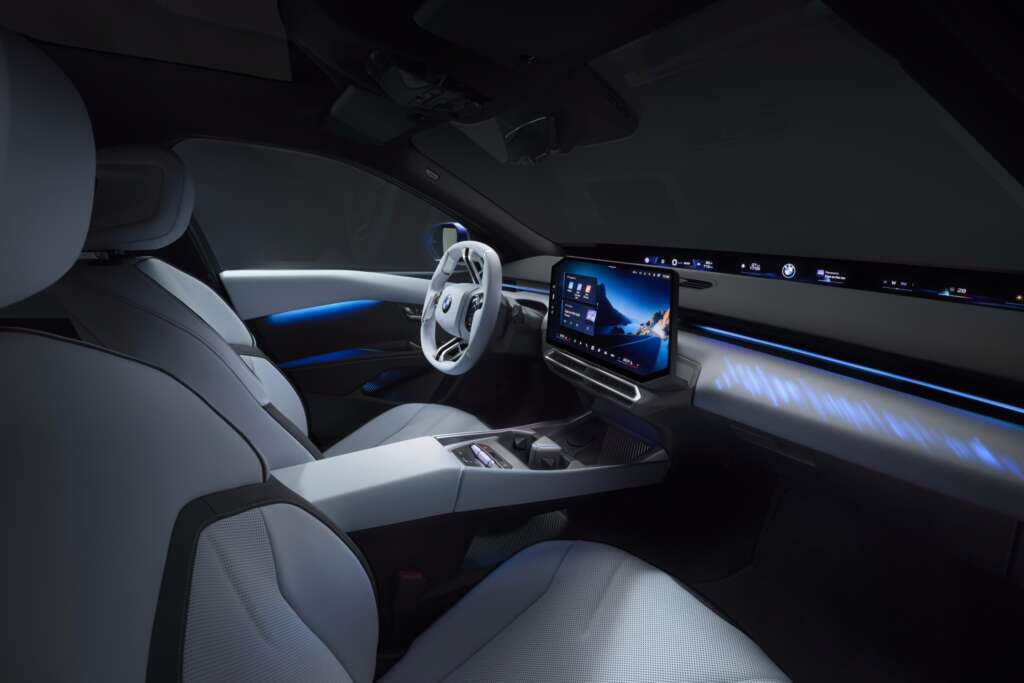
Step inside, and the biggest shock becomes obvious.
There are no traditional gauges.
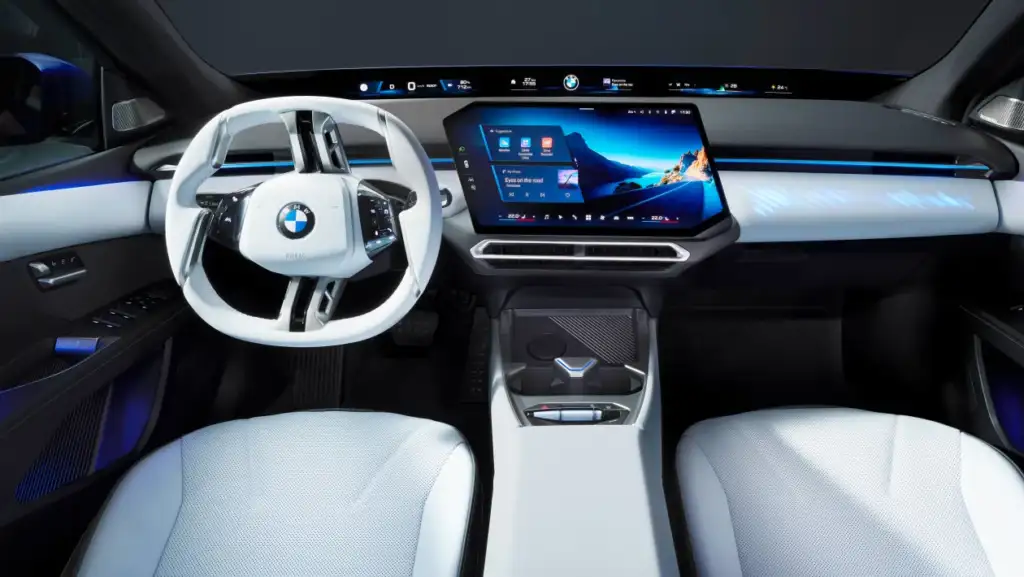
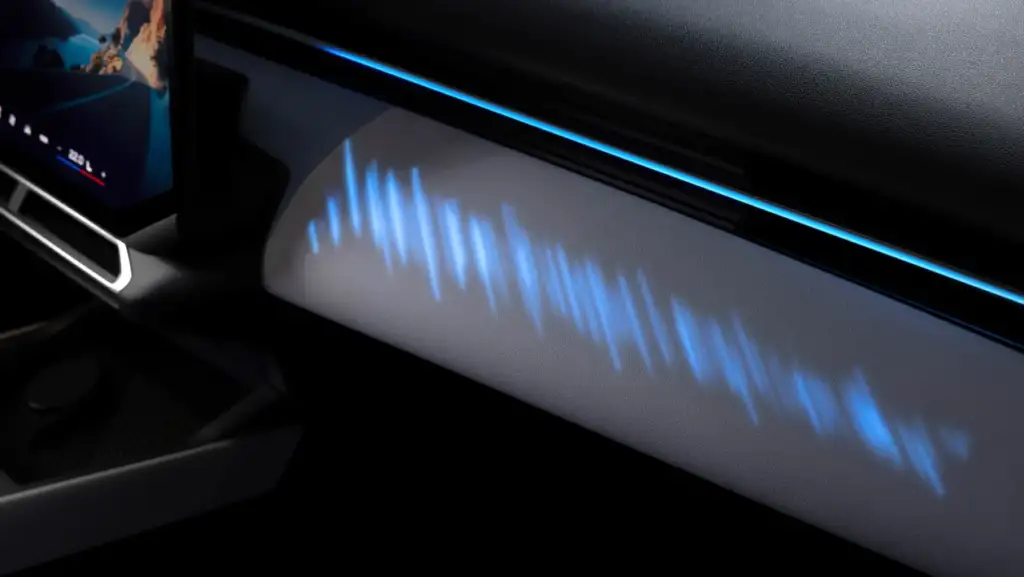
Instead, BMW introduces Panoramic Vision — a full-width projection at the base of the windshield that replaces the classic driver display entirely.
It’s one of the boldest ergonomic shifts in modern automotive design.
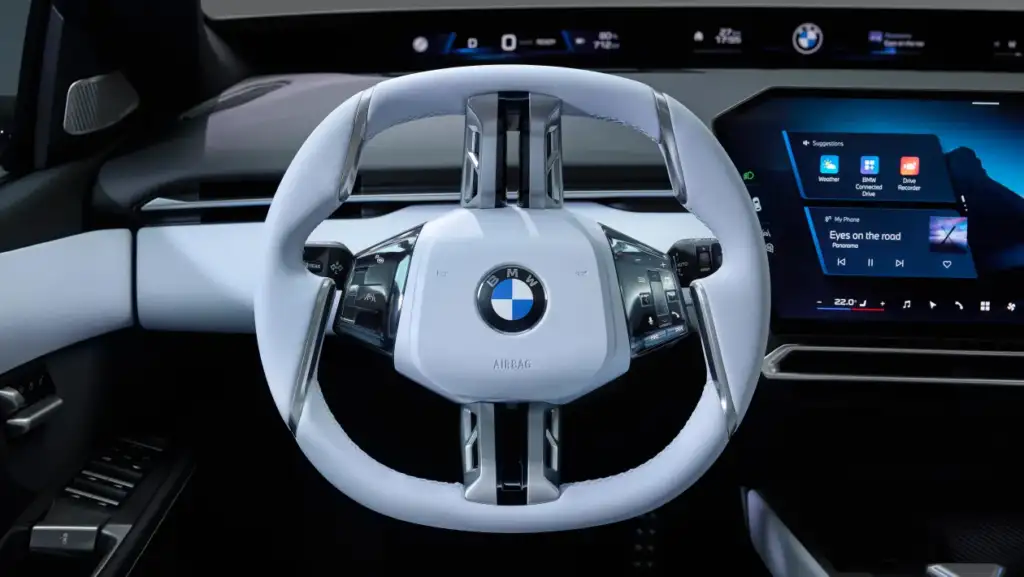
Supporting it is a 17.9-inch central display with a “Free-Cut” curved design, paired with a new multifunction steering wheel using “Shy Tech” controls — elements that appear only when needed.
Everything runs on BMW Operating System X, built on Android Open Source Project, enabling faster updates and deeper digital integration.
But beyond the tech, the real story is philosophy:
BMW is moving from a driver-facing cockpit to an environment that blends digital information seamlessly into the driving experience.
Less clutter. More awareness.
Is This the New 3 Series?
Officially, no.
In reality? Very much yes.
The new i3 doesn’t replace the combustion 3 Series — at least not yet. The upcoming G50 generation will continue alongside it.
But in terms of positioning, proportions, and purpose, the i3 clearly steps into the role of the electric “3 Series.”
And over time, it’s hard to imagine which direction BMW will prioritize.
Munich Becomes Electric
Production of the new i3 will begin in August 2026 at BMW’s historic Munich plant, with first deliveries expected in autumn.
Then comes the bigger shift.
By 2027, Munich is set to transition fully to electric vehicle production under the Neue Klasse architecture.
Symbolically, that might be even more important than the car itself.
BMW isn’t experimenting anymore.
It’s committing.
The Real Turning Point
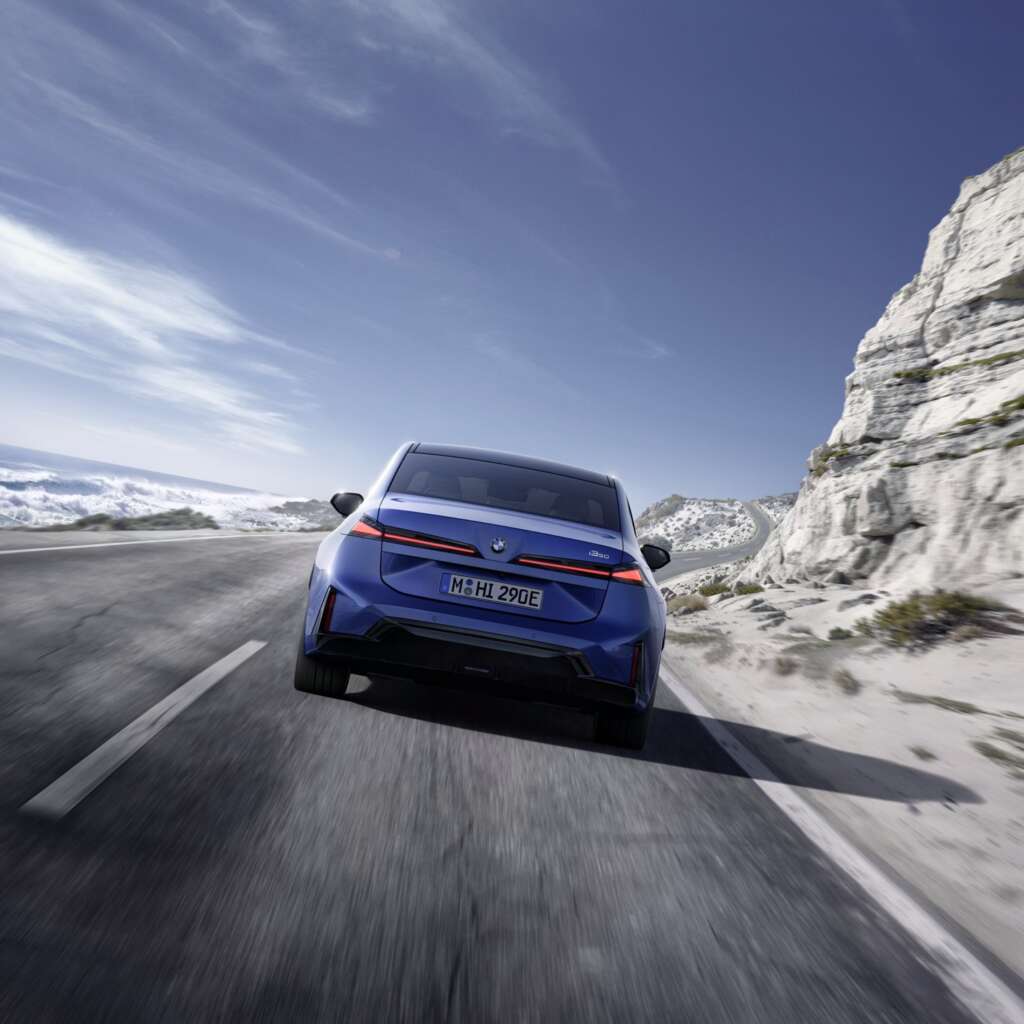
The BMW i3 2026 is not just another launch.
It’s a declaration.
If BMW delivers on even 80% of what it promises here — range, charging, driving feel, software integration — we could be looking at the most important BMW since the original 3 Series.
Neue Klasse is no longer a vision of the future.
It’s the moment the future starts to feel real.
FAQ
What is the range of the new BMW i3 2026?
Up to 900 km (WLTP), depending on configuration — one of the highest figures in its class.
How fast can it charge?
With up to 400 kW DC charging, the i3 can recover around 400 km of range in just 10 minutes.
Does the i3 support bidirectional charging?
Yes — including V2L, V2H, and V2G capabilities.
When will it be available?
Production starts in August 2026, with customer deliveries planned for autumn 2026.
Is it the replacement for the 3 Series?
Not officially, but in the electric era, it effectively plays that role.
