

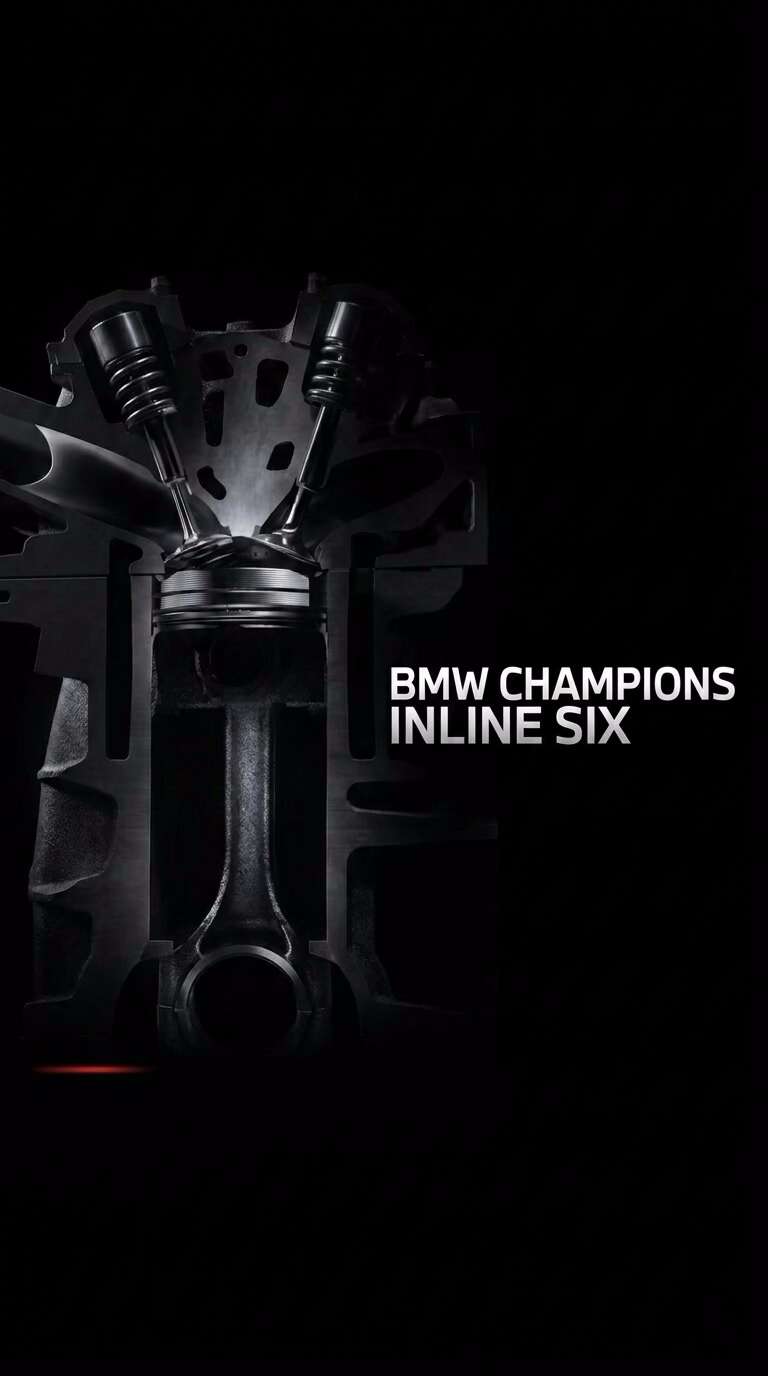
BMW M is not ready to say goodbye to the combustion engine just yet. As electrification accelerates and the new Euro 7 emissions regulations approach, BMW M has developed a new combustion technology designed to keep its high-performance inline-six alive.
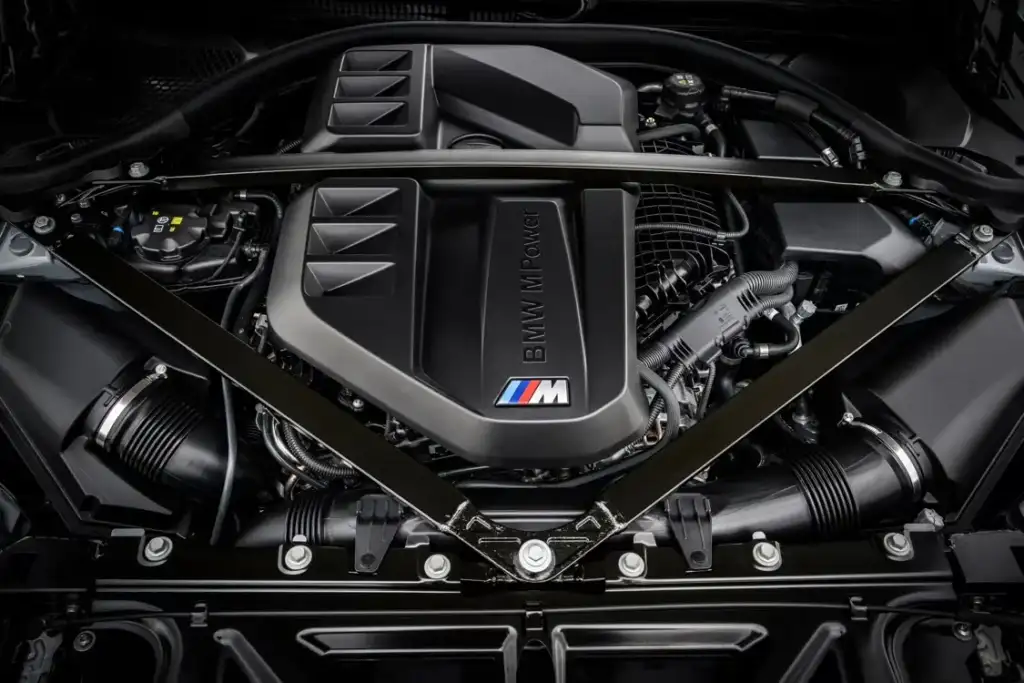
Called BMW M Ignite, the system brings pre-chamber ignition technology derived from motorsport to the road. It will debut in the S58 six-cylinder engine powering the BMW M3, BMW M4 and BMW M2 from the summer of 2026.
And there is something particularly interesting about it: BMW is not using the technology to chase a higher peak power figure. Instead, the goal is to make the S58 more efficient, more thermally robust and ready for the next stage of European emissions regulations — without sacrificing the character that made the engine so popular.
BMW M Ignite: A New Way to Burn Fuel
For BMW M enthusiasts, M Ignite is one of the most interesting developments in the evolution of the S58.
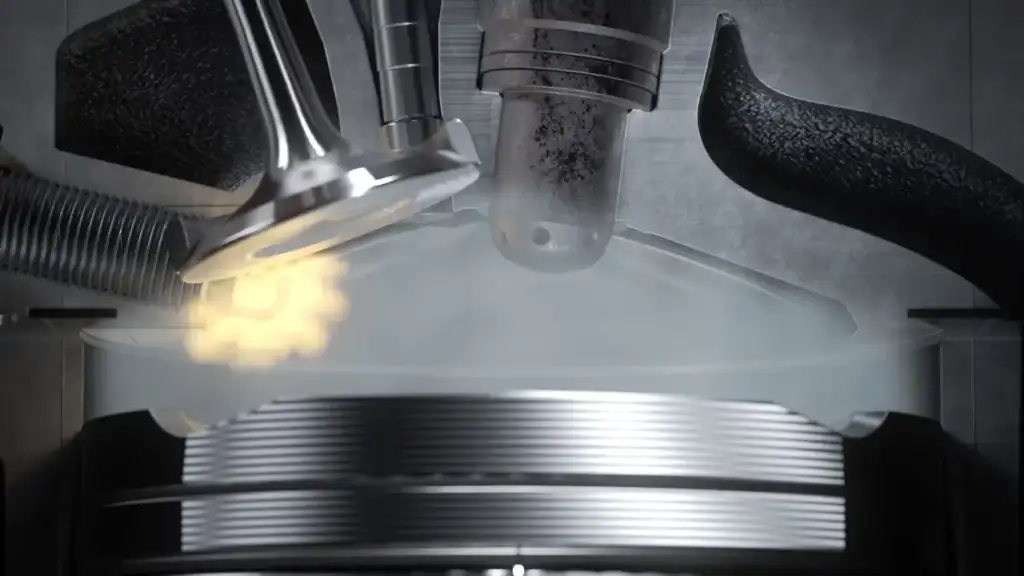
At the heart of the system is a pre-chamber combustion system integrated into the cylinder head. The small chamber is connected to the main combustion chamber through a series of small openings and features its own spark plug and ignition coil.
Editor’s Choice
This effectively gives the engine a second ignition system.
At lower engine speeds and loads, the conventional spark plug in the main combustion chamber remains the primary ignition source. As engine speed and load increase, the pre-chamber system takes over the main role.
A portion of the air-fuel mixture enters the pre-chamber, where it is ignited. The resulting flame jets then exit the chamber at close to the speed of sound and ignite the mixture in the main combustion chamber at multiple points almost simultaneously.
The result is a much faster and more controlled combustion process.
BMW says this multi-point ignition reduces the tendency for knock while also lowering exhaust gas temperatures and increasing combustion efficiency.
Why Does Pre-Chamber Ignition Matter?
A conventional spark plug creates a flame front that spreads through the combustion chamber from a single point.
M Ignite takes a very different approach.
Instead of relying on one flame front, the pre-chamber generates multiple ignition jets that ignite the mixture at several points at almost the same time. This allows combustion to happen faster and more evenly.
That becomes particularly important when the S58 is operating under heavy load.
And that is exactly where BMW sees one of the biggest advantages of the new system.
According to BMW M, fuel consumption drops significantly in the higher-load operating range. For someone using an M2, M3 or M4 on a racetrack, that could have a very practical benefit: more laps on the same tank of fuel.
More Efficiency Without Losing Performance
Perhaps the most important part of the BMW M Ignite story is what has not changed.
BMW confirms that the displacement and power outputs remain unchanged compared with the previous versions of the S58.
In other words, M Ignite is not another attempt to extract a few additional horsepower from the engine. BMW’s priority is efficiency, thermal management, emissions and long-term usability.
READ MORE: BMW M3 History: From BMW E30 to G80 – Evolution of a Legend
The maximum power and torque figures remain unchanged, while BMW says the engine retains its familiar response and character.
There are, however, several significant hardware changes.
The updated S58 receives:
- a redesigned main ignition system with the new pre-chamber,
- a second ignition system,
- new turbochargers with variable turbine geometry (VTG),
- a higher compression ratio,
- and an optimized charge-exchange system using a modified intake camshaft.
The VTG turbochargers are particularly interesting because BMW M says they also contribute to a more progressive engine response.
BMW M Ignite Could Make the S58 Even More Interesting
There is another detail that will probably interest enthusiasts more than the emissions figures.
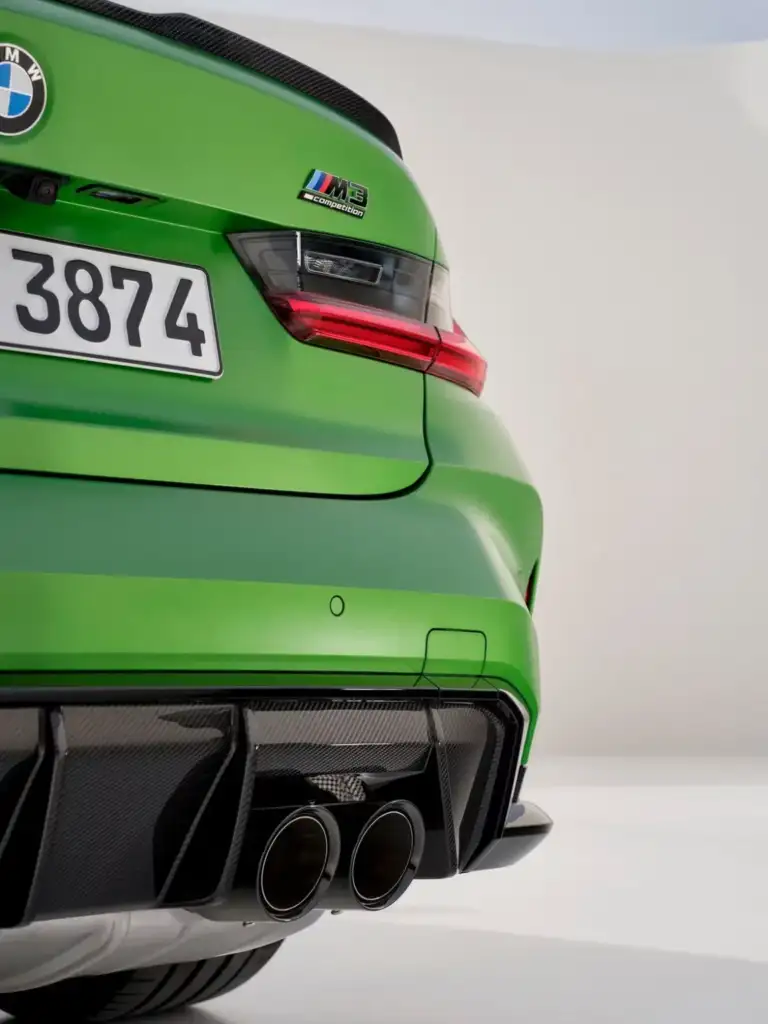
According to Alexander Karajlovic, Head of Development at BMW M, the S58 equipped with M Ignite can actually sound more throaty and more emotional at higher revs and under heavy load.
At lower engine speeds and loads, BMW says the acoustic character remains very similar to the familiar S58. During more aggressive driving, however, the new engine is said to offer a more pronounced sound.
That is an important distinction.
BMW is not simply trying to make the S58 cleaner and more economical. It is attempting to preserve — and in some situations even enhance — the emotional character of the engine.
For a brand whose M cars are still defined by the connection between the driver and the powertrain, that matters.
From Motorsport to the Road
The idea behind M Ignite is not entirely new.
Pre-chamber combustion has been used in highly specialized high-performance applications, including motorsport. BMW is now adapting the concept for a mass-produced petrol engine.
This is exactly the kind of technology transfer that BMW M has traditionally been associated with: taking solutions developed for extreme operating conditions and adapting them for road cars.
The difference is that this time the motivation is not simply performance.
It is also survival.
The new system allows BMW to maintain the S58’s core characteristics while addressing increasingly demanding emissions and efficiency requirements.
Euro 7: The Real Reason Behind M Ignite
There is little doubt that Euro 7 is one of the main reasons BMW has invested so heavily in the technology.
The new European emissions standard will come into force in November 2026, and BMW says M Ignite plays a key role in allowing its high-performance combustion models to continue meeting European registration requirements.
This is particularly significant because BMW M is not adding hybrid assistance to the S58 as part of the M Ignite solution.
Instead, BMW has chosen to improve the combustion process itself.
That could prove to be one of the most important developments for enthusiasts who still want a high-performance BMW powered exclusively by an internal-combustion engine.
When Will BMW M Ignite Arrive?
The rollout schedule is already confirmed.
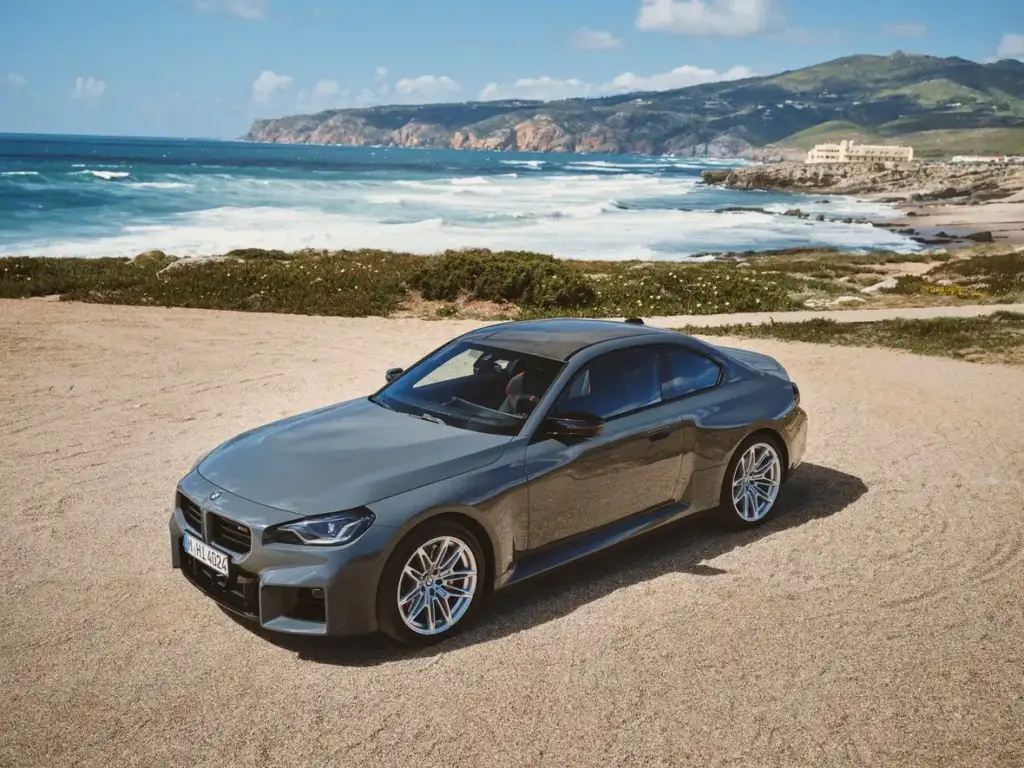
BMW M3 and BMW M4: production with M Ignite begins in July 2026.
BMW M2: production with M Ignite begins in August 2026.
BMW says all variants of the M3 and M4 will receive the technology, followed by the M2. The system will be offered in markets subject to the Euro 7 regulations.
The power figures and engine displacement remain unchanged.
Does BMW M Ignite Mean the End of the Combustion Engine Is Further Away?
Perhaps.
BMW is simultaneously pushing hard into electric vehicles with its Neue Klasse architecture while investing in technologies designed to extend the life of its most emotional combustion engines.
That may sound contradictory, but it actually fits BMW’s current strategy quite well.
The company does not appear to be choosing between combustion and electric powertrains overnight. Instead, it is developing both technologies and allowing different solutions to serve different types of customers.
For the M division, that distinction is particularly important.
Cars such as the M2, M3 and M4 are not simply transportation devices. Their appeal comes from the way they deliver performance — the response of the engine, the sound, the linearity of the power delivery and the feeling behind the wheel.
M Ignite is therefore more than an emissions solution.
It is an attempt to keep those characteristics alive in a world that is becoming increasingly hostile to large high-performance combustion engines.
FAQ: BMW M Ignite
Does BMW M Ignite increase the power of the M3 or M4?
No. BMW confirms that the maximum power and torque figures remain unchanged compared with the previous S58 versions. The main objective is improved efficiency, combustion stability, thermal management and compliance with future emissions regulations.
What is a pre-chamber ignition system?
It is a combustion system in which a small chamber inside the cylinder head has its own spark plug and ignition coil. The resulting flame jets enter the main combustion chamber through small openings and ignite the air-fuel mixture at multiple points simultaneously.
Does M Ignite use two spark plugs per cylinder?
Yes. The system adds a dedicated spark plug and ignition coil for the pre-chamber alongside the conventional ignition system in the main combustion chamber.
Does M Ignite replace hybrid technology?
For the S58, BMW presents M Ignite as a way to retain a high-performance combustion powertrain without additional hybridization while meeting future regulatory requirements.
Will the M3, M4 and M2 become more powerful?
Not as a result of M Ignite itself. BMW has confirmed that the displacement and power outputs remain unchanged.
When does BMW M Ignite enter production?
The BMW M3 and M4 receive the technology from July 2026, while production of the M2 with M Ignite begins in August 2026.
Is BMW M Ignite available worldwide?
BMW states that M Ignite is available in markets subject to EU7 emissions regulations. Availability and specifications can therefore vary between markets.
The S58 Still Has a Future
The BMW M Ignite system may ultimately prove to be one of the technologies that buys the combustion engine more time.
It does not make the S58 more powerful on paper. It does something arguably more important: it makes the engine more efficient, more thermally controlled and better prepared for the regulatory environment of the coming years, while retaining its six-cylinder character.
For enthusiasts, that is probably the best news.
The era of the pure combustion-powered BMW M car may not be over just yet.
