

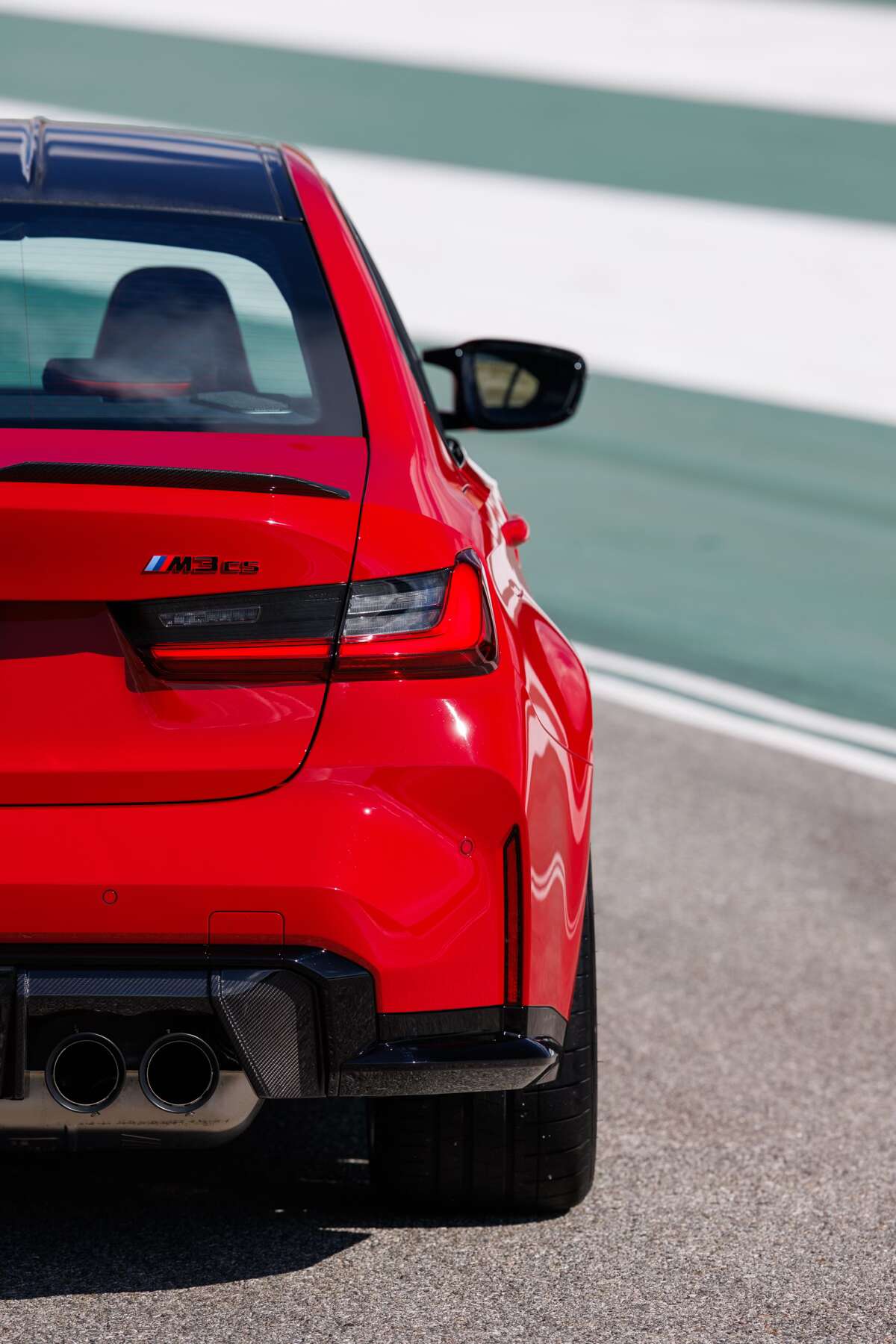
Some cars are built to chase records. Others are created to remind drivers why they fell in love with motoring in the first place. The BMW M3 CS Handschalter belongs firmly in the latter category.
At a time when the world of BMW M is moving steadily toward electrification and increasingly sophisticated driver-assistance technologies, BMW M GmbH has unveiled something truly special. The limited-production BMW M3 CS Handschalter comes equipped with a six-speed manual transmission, making it one of the most analog M3 models of recent years.
There is, however, one catch. The car has been developed exclusively for customers in the United States and Canada.
BMW M3 CS Handschalter. Familiar Hardware in a New Package
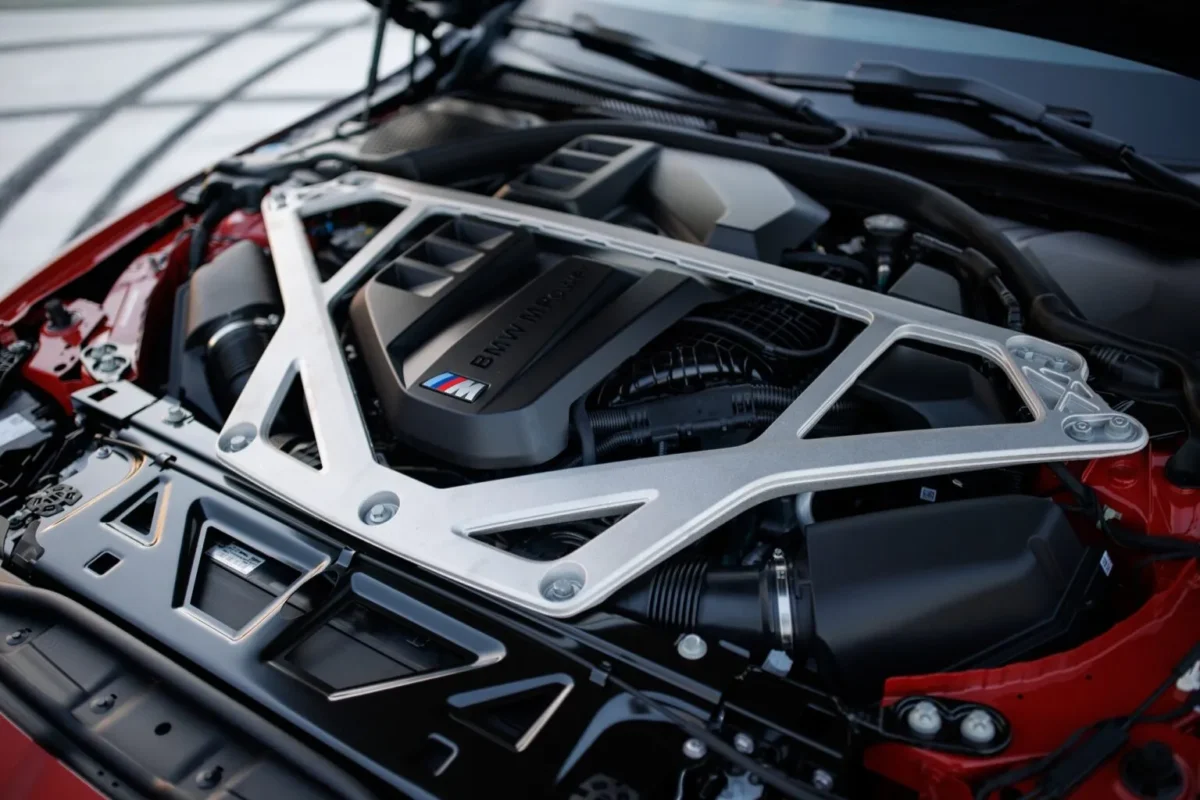
Under the hood sits the well-known 3.0-liter S58 inline-six engine featuring M TwinPower Turbo technology. The powerplant produces 473 horsepower and 550 Nm of torque, paired exclusively with a six-speed manual gearbox.
Editor’s Choice
This is also where the biggest surprise emerges. BMW chose not to use the more powerful specification found in the traditional M3 CS. As a result, the Handschalter delivers exactly the same output figures as the standard BMW M3 equipped with a manual transmission.
The sprint from 0 to 60 mph takes 4.1 seconds, while top speed is electronically limited to 180 mph (290 km/h).
For some enthusiasts, this may come as a disappointment. Until now, the CS badge has represented not only lower weight and sharper chassis tuning, but also a noticeable increase in power.
Less Weight, More Character
The real changes are hidden within the car’s construction.
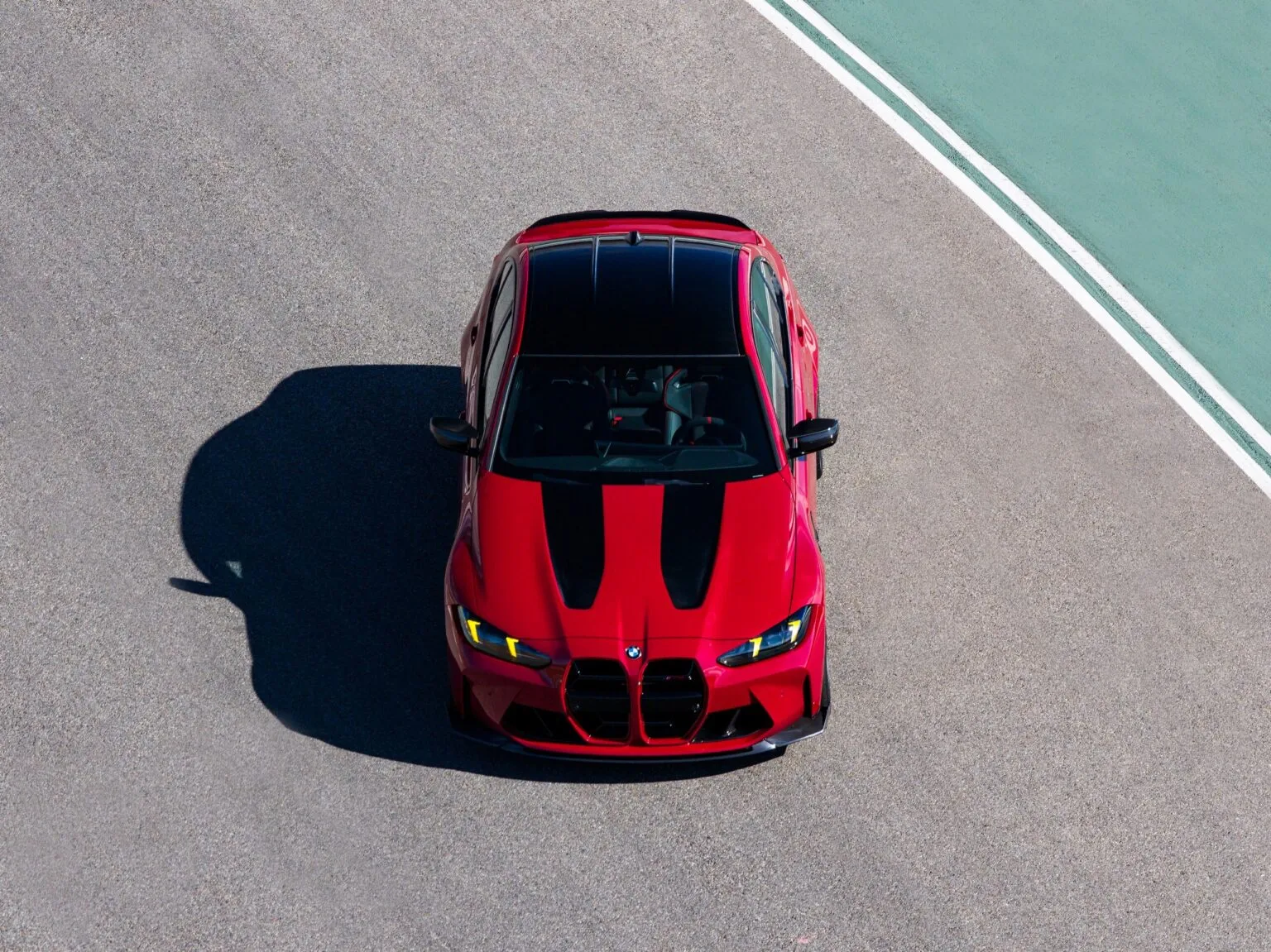
The BMW M3 CS Handschalter is approximately 34 kilograms lighter than the standard manual M3 when equipped with the optional M Carbon Ceramic brakes.
The weight reduction was achieved through the extensive use of CFRP (Carbon Fiber Reinforced Plastic). Components crafted from carbon fiber include:
- Roof
- Hood
- Front splitter
- Air intake elements
- Rear diffuser
- Rear spoiler
- Center console
- Selected interior trim pieces
In addition, BMW fitted a titanium exhaust system, saving a further 4 kilograms.
Yet weight reduction alone is not the biggest difference compared with a regular M3.
Suspension Borrowed from the BMW M4 CSL
BMW M engineers turned to solutions originally developed for the extreme BMW M4 CSL.
The suspension has been lowered by 6 mm, while the dampers and chassis setup have been recalibrated for a more aggressive driving character. BMW also revised the M Servotronic steering system and the vehicle’s electronic control systems.
The result? Sharper responses, greater precision, and an even stronger sense of connection between driver and machine.
This is where the true purpose of the Handschalter becomes clear.
Design Inspired by BMW M Heritage
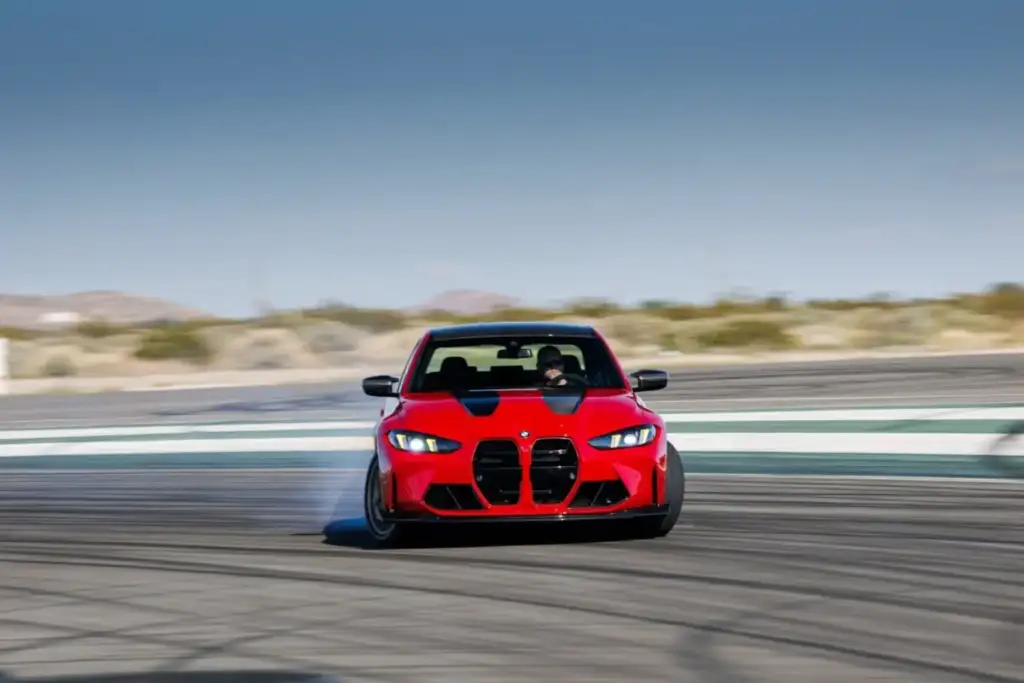
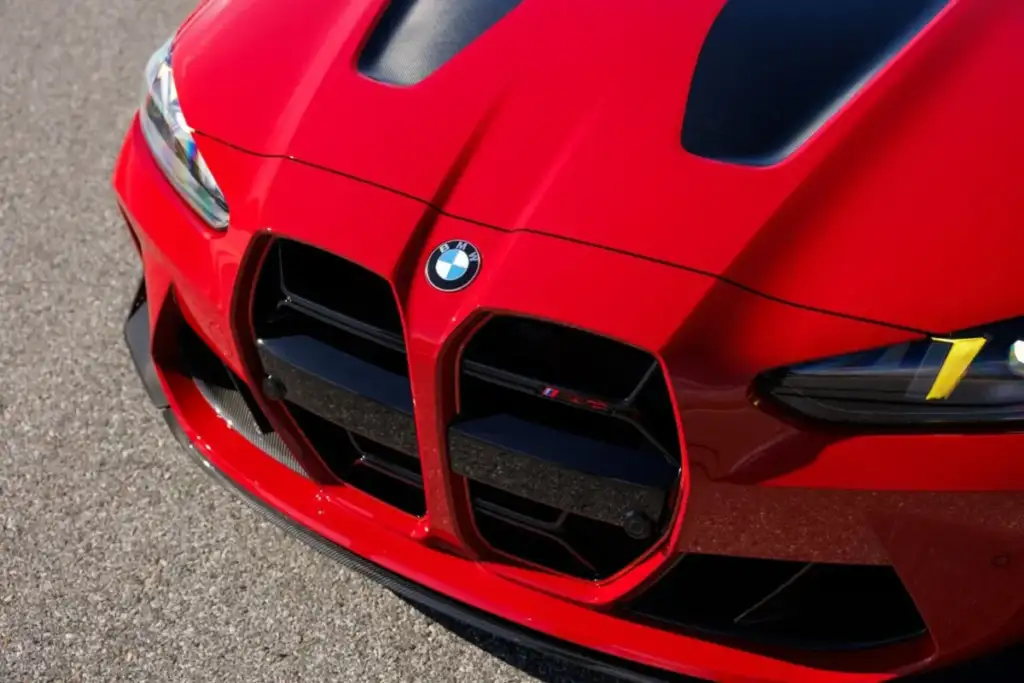
One glance is enough to reveal that this is no ordinary M3.
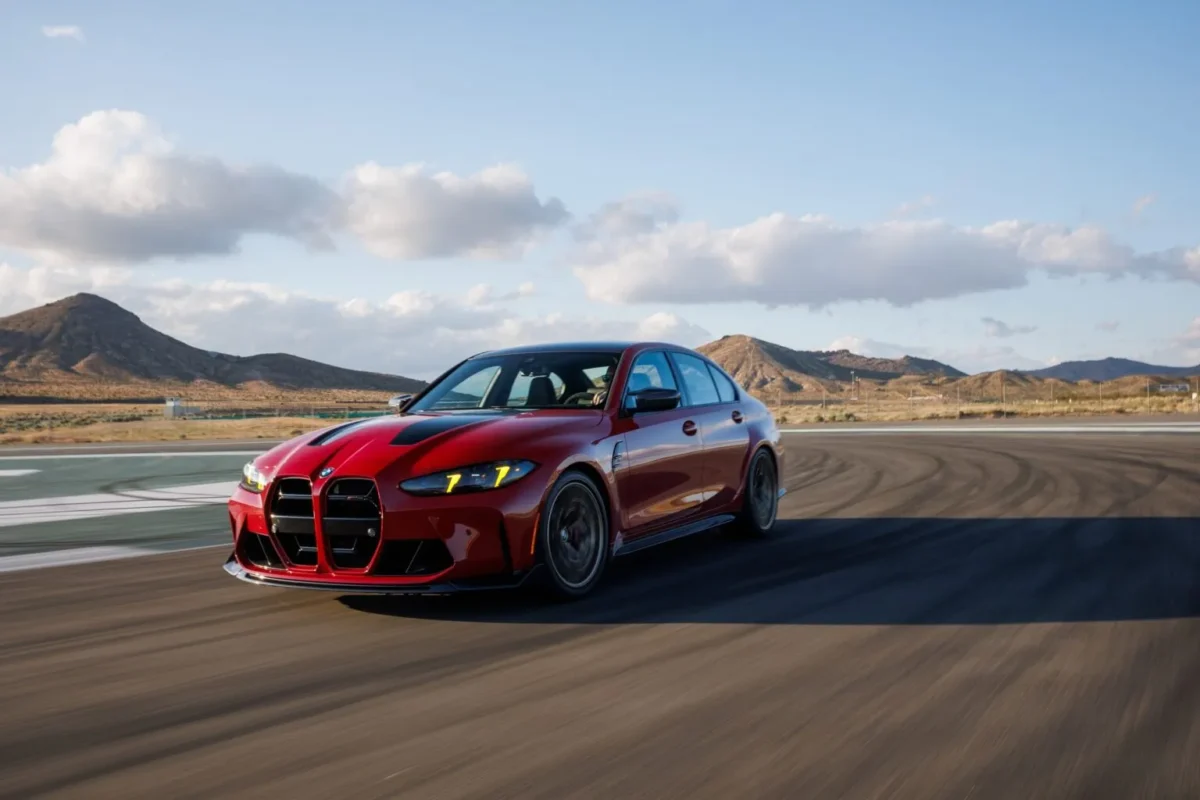
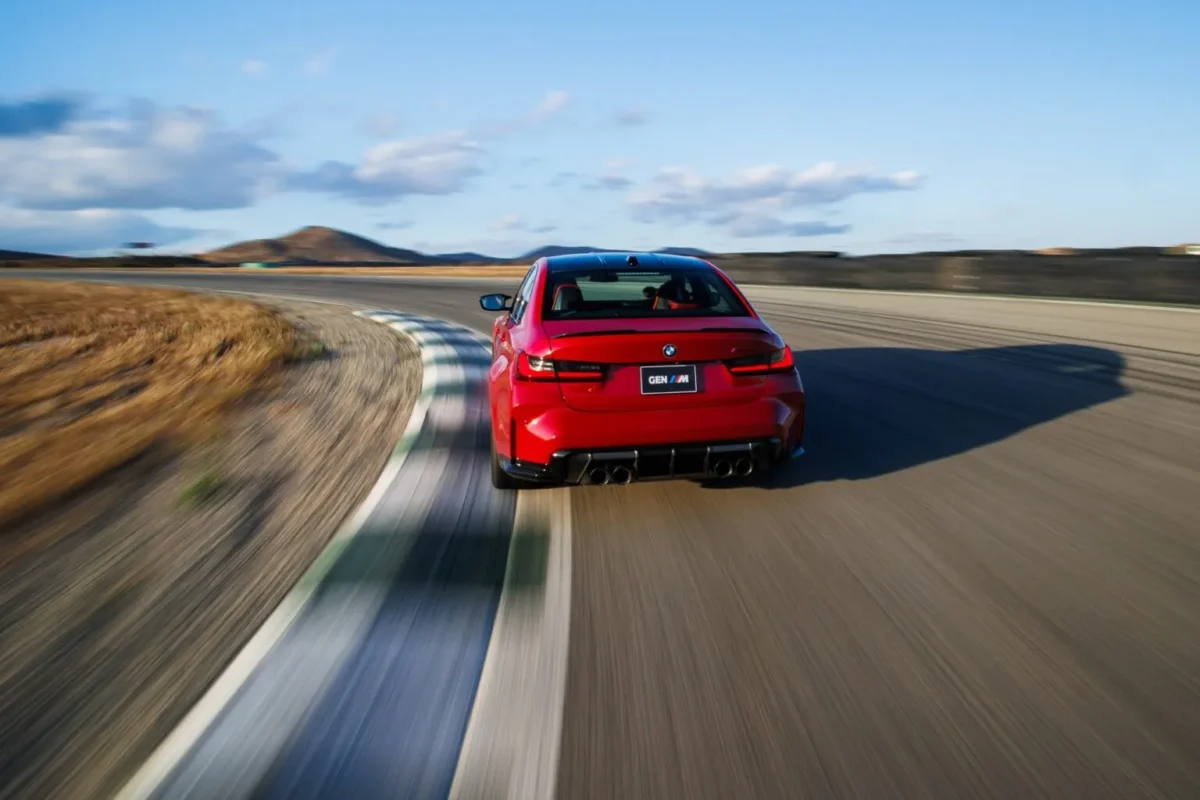
Signature features include yellow daytime running lights inspired by GT race cars and the distinctive kidney grille with red accents.
BMW has also prepared two exclusive BMW Individual paint finishes:
- Imola Red
- Techno Violet Metallic
Both colors hold special significance in BMW M3 history and pay tribute to more than four decades of the iconic sports sedan’s evolution.
Read more: Electric BMW M Neue Klasse 2026: Is This the End of Boring EVs?
The package is completed by forged Style 927M wheels available in either Gold Bronze or Black, along with optional ultra-track tires.
Exclusivity Comes at a Price
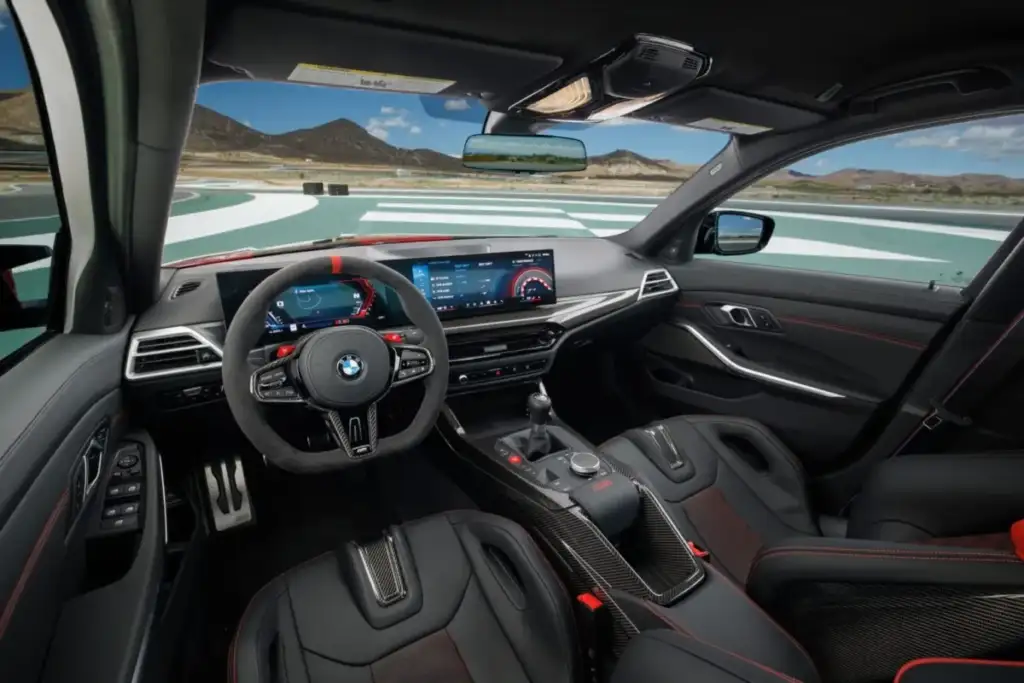
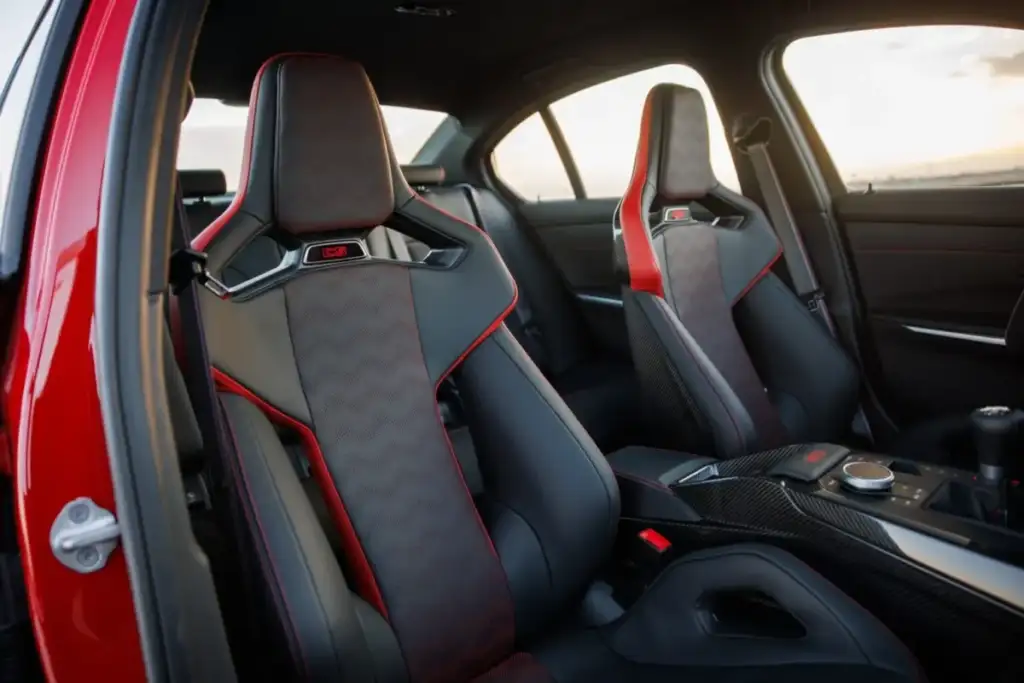
The BMW M3 CS Handschalter is not a car for everyone.
Pricing starts at $107,100 before destination charges and local fees. Production will begin in July 2026, and the number of units built will be extremely limited.
European customers can only admire the project from afar. BMW has officially confirmed that the model will be offered exclusively in the United States and Canada.
BMW Magazine Verdict
The BMW M3 CS Handschalter is a car that will likely divide enthusiasts.
On one hand, it is difficult not to appreciate BMW’s continued commitment to manual-transmission performance cars. In a world increasingly dominated by automatics and electrification, a vehicle like this feels almost like a statement addressed directly to driving enthusiasts.
On the other hand, the CS badge carries certain expectations. Historically, it has stood for significantly higher power output and a more extreme overall package. This time, BMW focused primarily on reducing weight, refining the chassis, and enhancing driving purity.
Paradoxically, that may be exactly what turns the Handschalter into one of the most desirable modern BMW M3 models. Not because it is the fastest. But because it serves as a reminder of a time when the most important component of any sports car was the driver.
FAQ
Will the BMW M3 CS Handschalter be available in Europe?
No. The model has been developed exclusively for customers in the United States and Canada.
How much power does the BMW M3 CS Handschalter produce?
The car delivers 473 horsepower and 550 Nm of torque.
Is the Handschalter more powerful than the standard BMW M3 Manual?
No. Engine output remains identical to the standard BMW M3 equipped with a manual transmission.
How much lighter is the BMW M3 CS Handschalter?
When equipped with M Carbon Ceramic brakes, the car is approximately 34 kilograms lighter than a standard manual BMW M3.
When will production begin?
Production starts in July 2026, with first customer deliveries scheduled for autumn 2026.
