

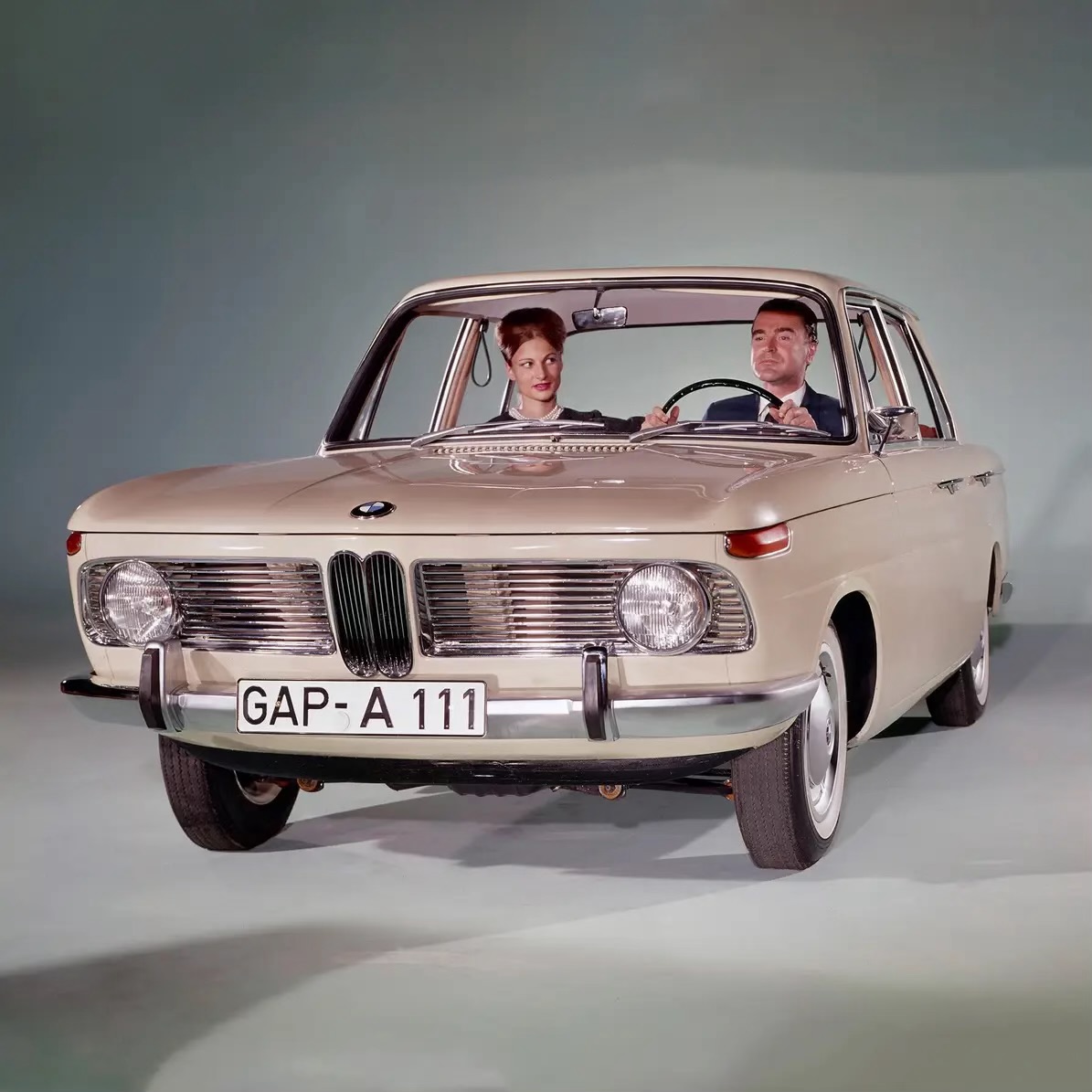
By the late 1950s, BMW was on the verge of disappearing from the market.
Losses were mounting, the strategy was falling apart, and in the background there was a very real threat of a takeover by Daimler-Benz. The Munich-based brand had no coherent product lineup, and its future was highly uncertain.
Then something happened that today we would call “all-in”.
One decision. One model. One chance.
This is how the BMW Neue Klasse was born – a car that not only saved the company, but defined the sports sedan segment for decades.
One step from the edge: how Herbert Quandt saved BMW
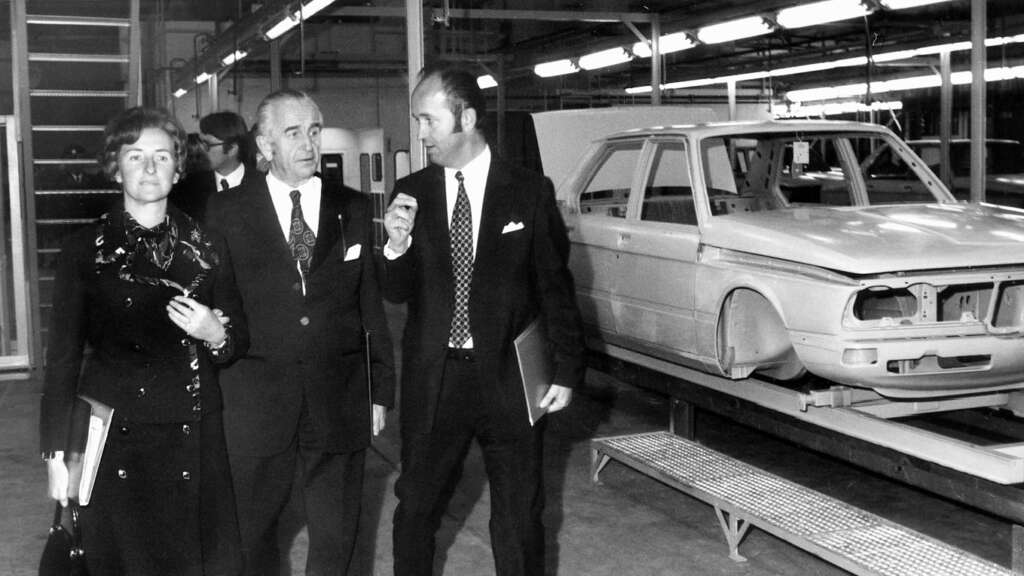
1959 was a critical moment for BMW. The company was in deep financial crisis, and a takeover by Daimler-Benz was already a realistic scenario.
That’s when Herbert Quandt stepped in.
Instead of selling his shares, he made a bold move – increasing his financial commitment and betting everything on the development of an entirely new mid-size model.
It was a decision that changed the history of the automotive industry.
At the time, BMW’s lineup was chaotic. On one side were microcars like the Isetta, and on the other, luxurious but niche V8 sedans.
What was missing was one thing – a modern car for a growing middle class.
The BMW 1500 project: a turning point at IAA 1961
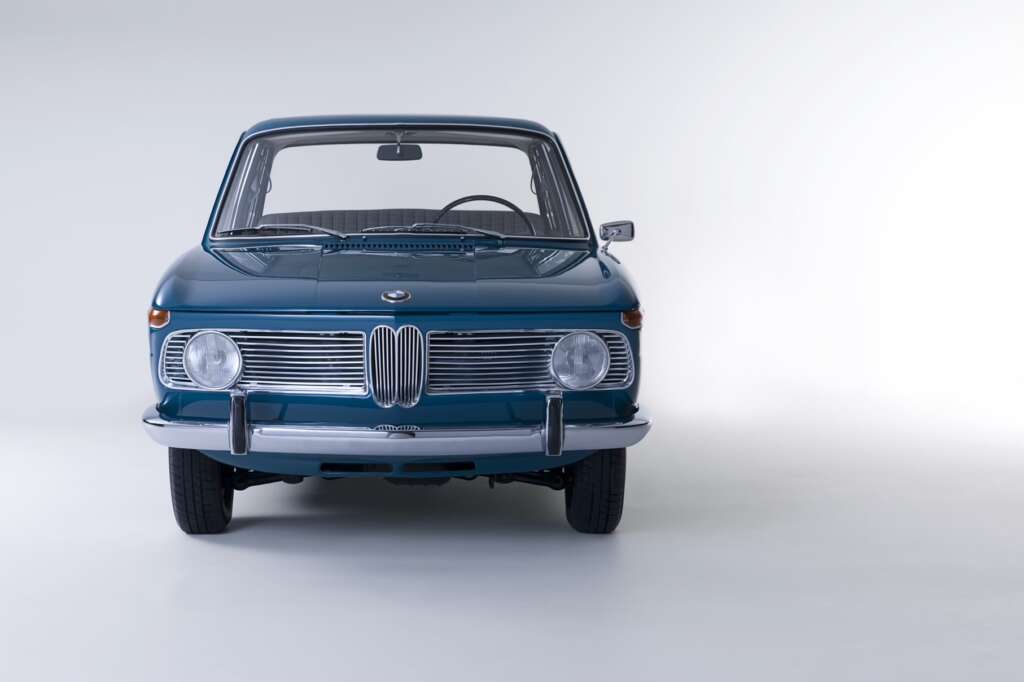
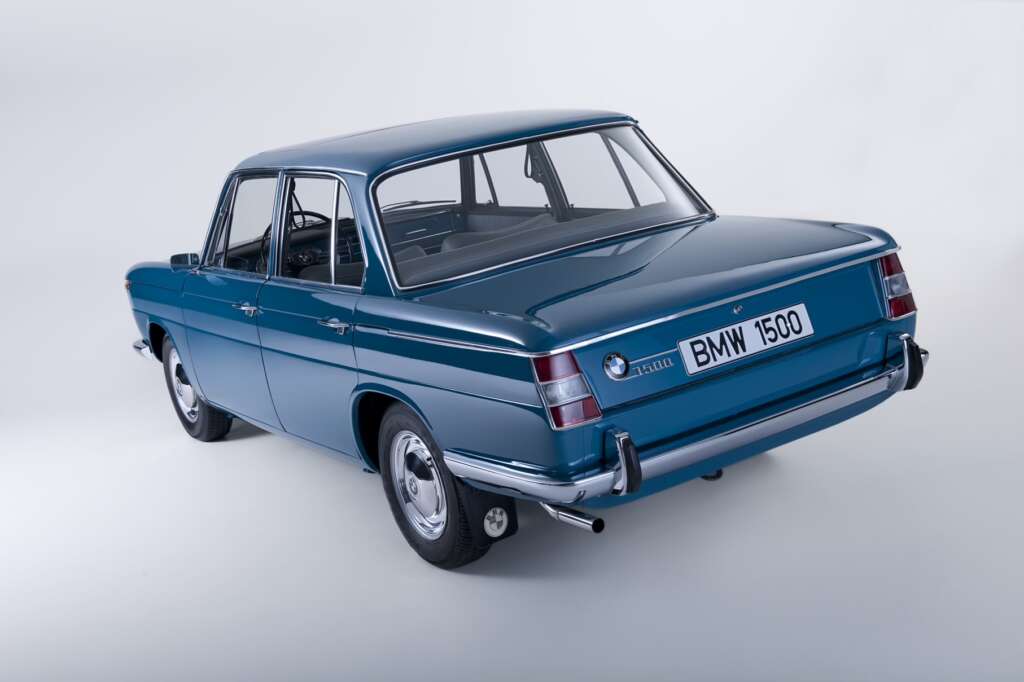
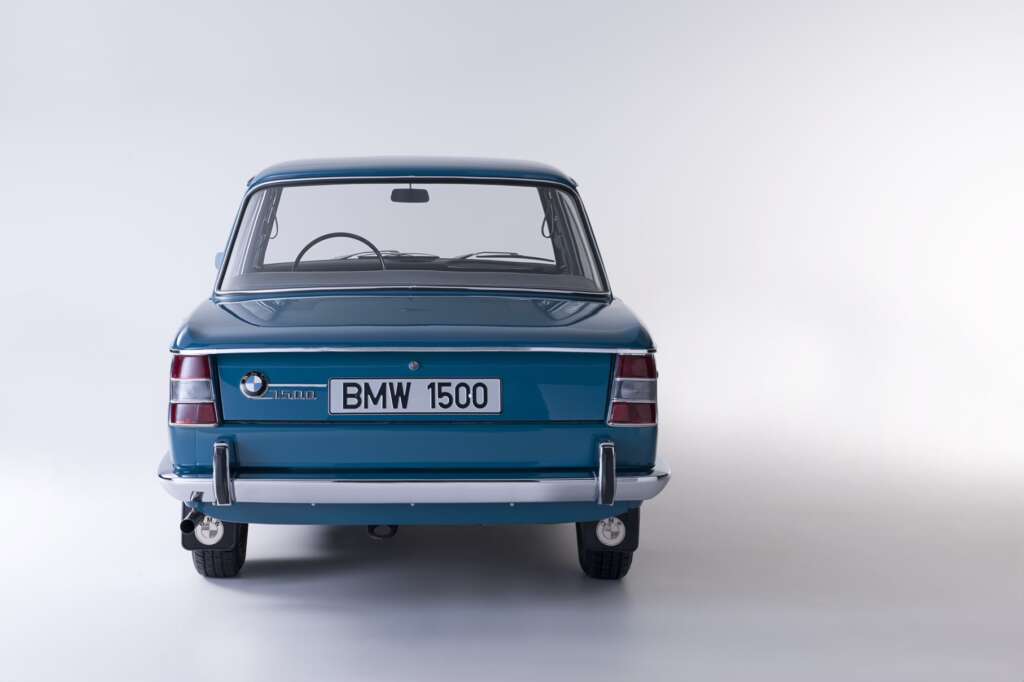
Everything changed in 1961 at the IAA motor show in Frankfurt.
That’s where the BMW 1500 made its debut – the first model of the Neue Klasse.
The reaction was immediate.
Visitors queued up just to see the car that looked like the future of motoring. The media had no doubts – this was the model everyone had been waiting for.
BMW 1500 – technical specifications
- 4-cylinder engine producing 75–80 hp
- front suspension with MacPherson struts
- front disc brakes
- independent rear suspension
- top speed: 150 km/h
Priced between 8,500 and 9,485 Deutsche Marks, it was accessible to the middle class while remaining modern and aspirational.
BMW had finally hit the mark.
A design that stood the test of time
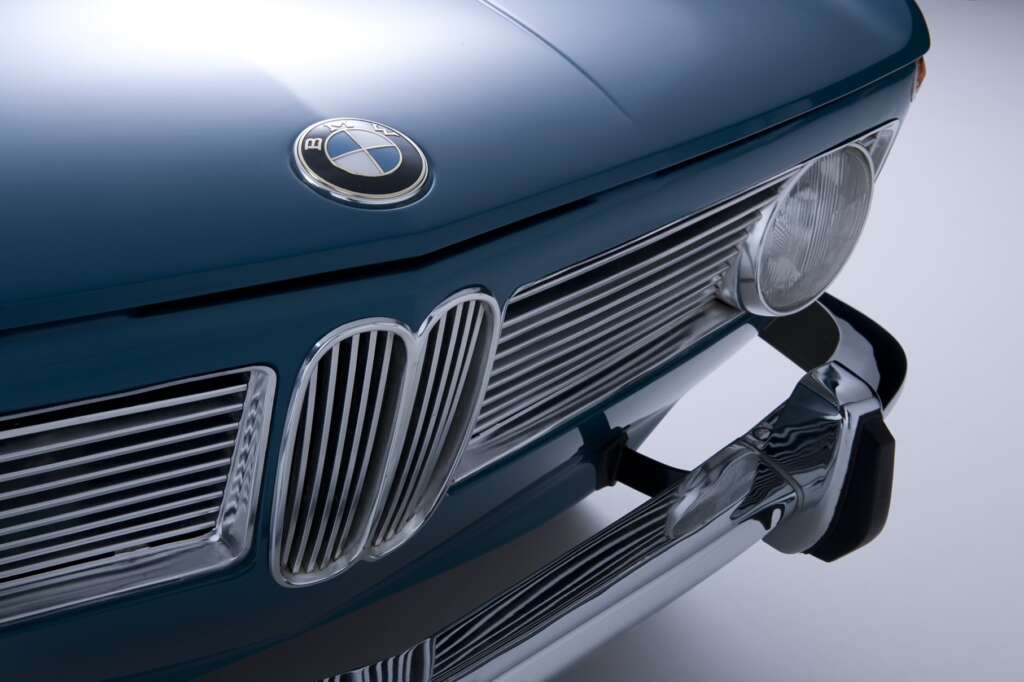
The Neue Klasse design was created by Wilhelm Hofmeister together with Italian stylist Giovanni Michelotti.
The result? A minimalist, clean form that has aged remarkably well even decades later.
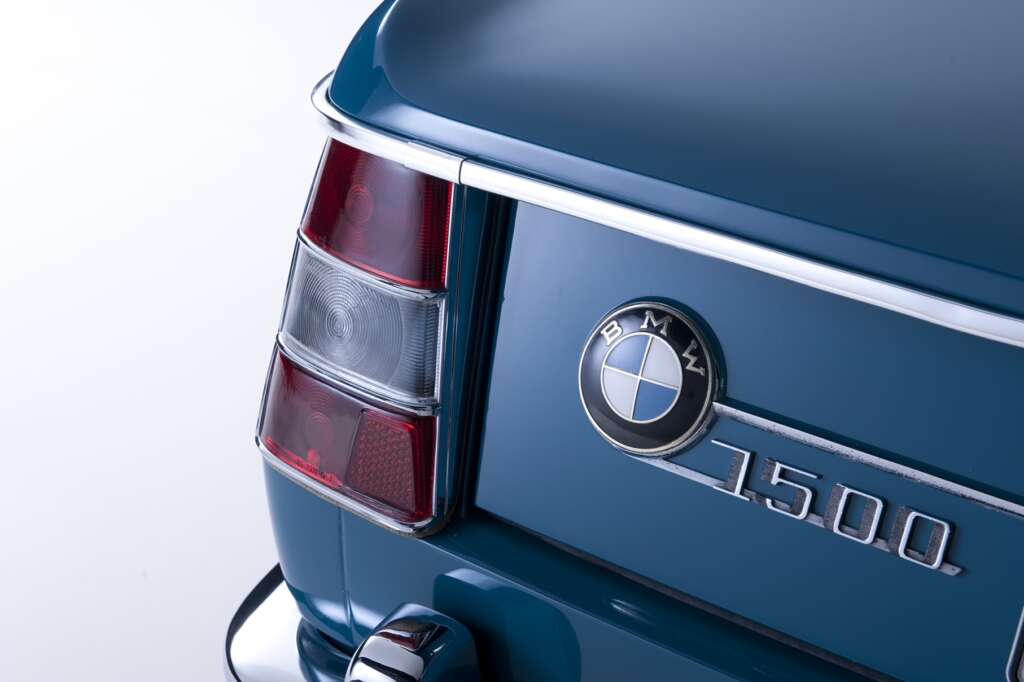
It was here that the iconic “Hofmeister kink” first appeared – the distinctive bend in the C-pillar that remains one of BMW’s most recognizable design elements to this day.
Interestingly, the famous BMW “kidney grilles” were added late in the process – at the explicit request of Herbert Quandt.
The BMW M10 engine: the foundation of power for 30 years
Under the hood of the Neue Klasse was a unit that would go down in history.
The engine designed by Alexander von Falkenhausen (the M10 family) was simple, durable, and extremely adaptable.
A cast-iron block, aluminum head, and OHC valvetrain created a design that was ahead of its time.
Editor’s Choice
This was an engine built with the future in mind – and that’s exactly how it turned out.
The same engine that powered a calm mid-size sedan would, after years of evolution, make its way into Formula 1…
…and produce over 800 hp.
This wasn’t just evolution. It was transformation.
From 1500 to 2000 tii: the birth of the sports sedan
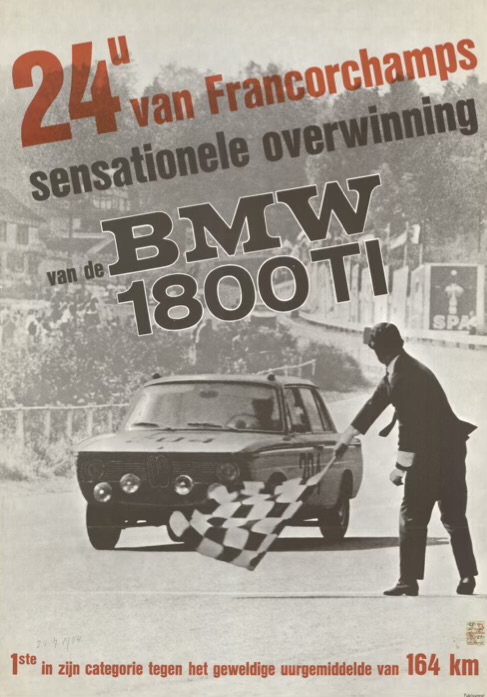
The success of the BMW 1500 paved the way for further versions that built the brand’s sporting DNA.
- BMW 1800 (1963) – more power, better performance
- BMW 1800 TI – 110 hp and a racing character
- BMW 2000 tii (1969) – fuel injection and 130 hp
Top versions could reach speeds close to 200 km/h, which at the time was an absolutely impressive figure.
BMW stopped being just a car manufacturer – it became a manufacturer of эмоtions.
Nürburgring and motorsport: proving the DNA
The Neue Klasse quickly proved its worth on the track.
In 1964, Hubert Hahne dominated the touring car championship, winning 14 out of 16 races.
Two years later, he made history by lapping the Nürburgring Nordschleife in under 10 minutes (9:58) behind the wheel of a BMW 2000 TI.
That was the moment when “sheer driving pleasure” stopped being marketing.
It became reality.
The legacy of Neue Klasse: the foundation of modern BMW
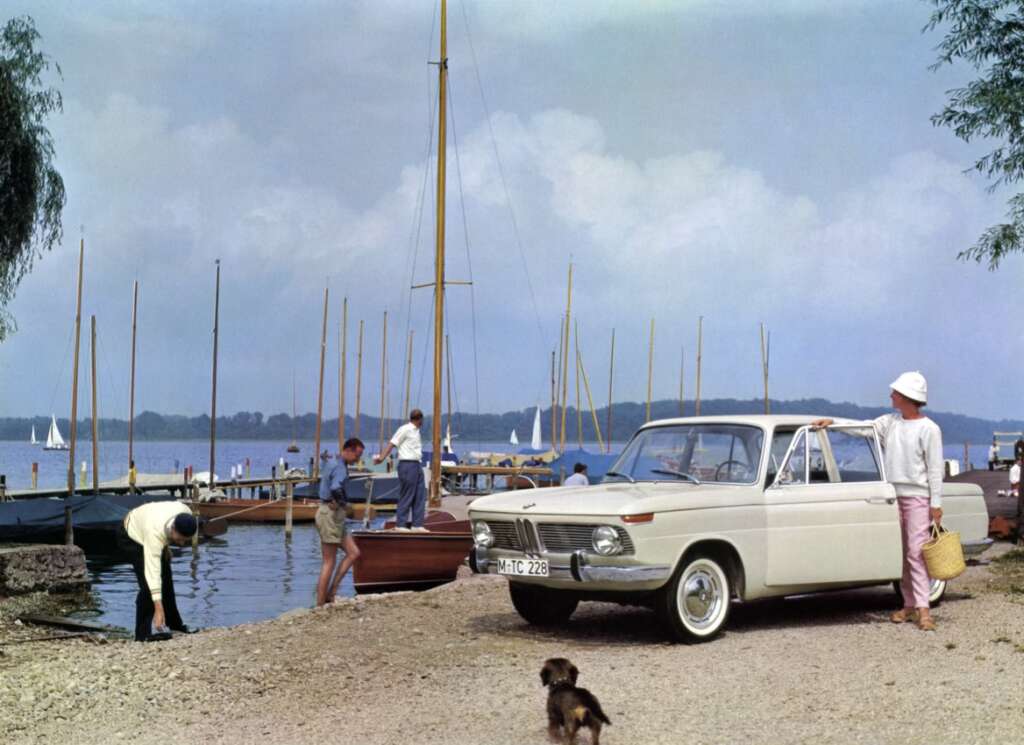
Production of the Neue Klasse ended in 1972.
A total of 350,729 units were built – a number that today represents something far greater than just sales.
It was on this foundation that the later 3 Series and 5 Series were built.
Without the Neue Klasse, there would be no BMW as we know it today.
Neue Klasse returns. And history may repeat itself
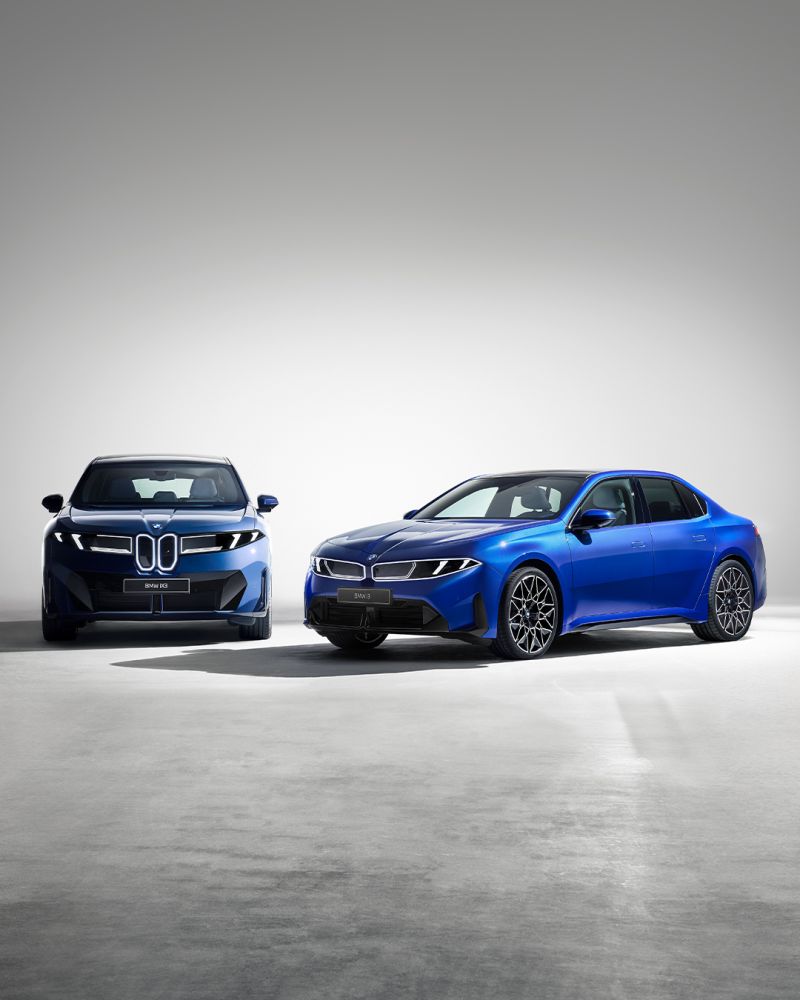
Today, BMW is reaching for that name once again.
The Neue Klasse returns – this time as the foundation of an electric and technological transformation of the brand.
This is no coincidence.
It is a deliberate reference to the moment when BMW once started from scratch… and won.
If history teaches us anything, it’s this:
when BMW goes all-in, it usually changes the rules of the game.
FAQ – Frequently asked questions
What is BMW Neue Klasse?
BMW Neue Klasse is a series of modern mid-size sedans produced between 1962 and 1972, starting with the BMW 1500.
Who designed the BMW Neue Klasse?
The chief designer was Wilhelm Hofmeister, supported by Giovanni Michelotti.
Why was the Neue Klasse so important?
The model saved BMW from bankruptcy and introduced the brand into the sports mid-size car segment.
What made the BMW M10 engine special?
It was an extremely durable and adaptable unit that became the foundation for BMW engines for decades.
How many units were produced?
A total of 350,729 units of all Neue Klasse variants were produced.
