

BMW Online Encyclopedia: Discover Every Classic Model (1928–2008)
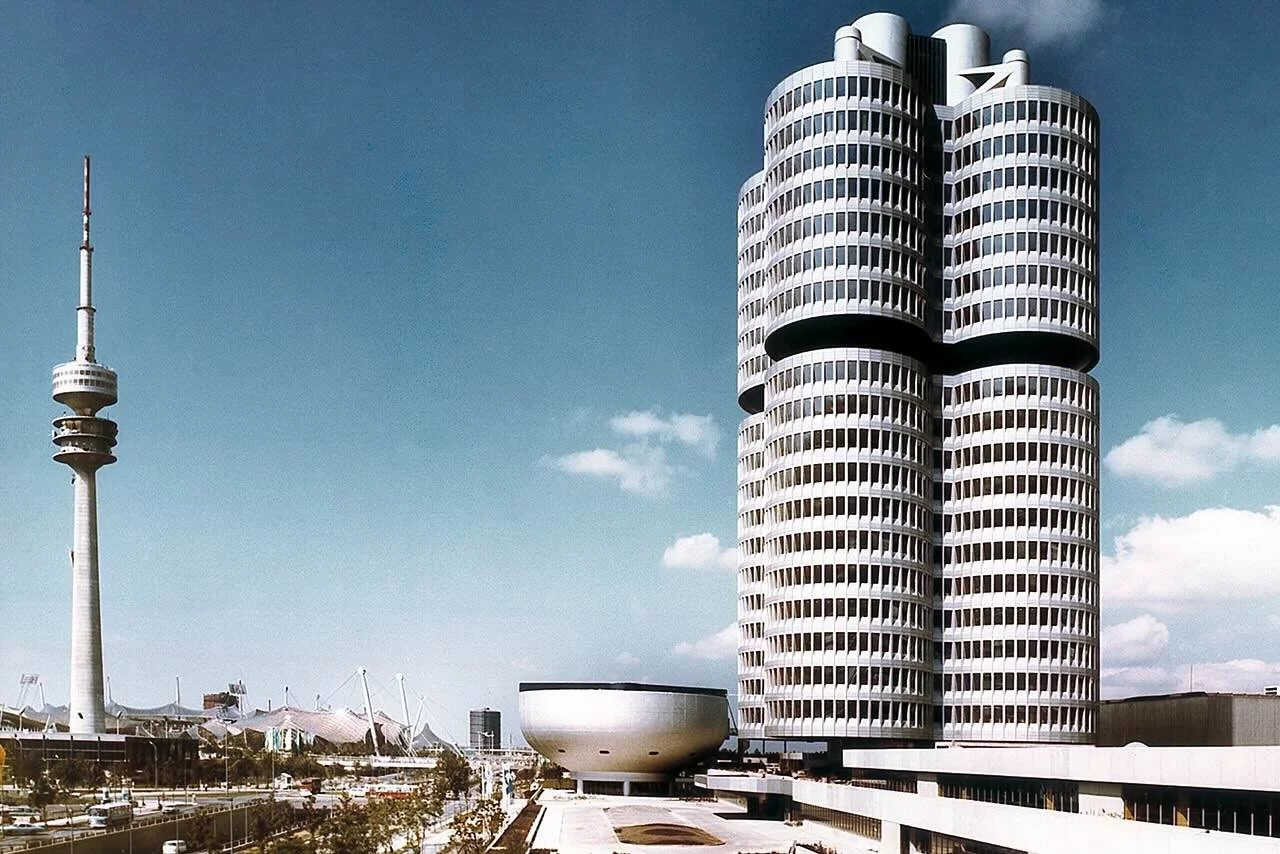
You might wonder if it’s still possible to discover something truly new about BMW after more than a century of innovation.
Here is what you need to know: BMW Group Classic has just opened one of the most valuable digital archives the brand has ever shared.
Covering BMW models from 1928 to 2008, the official online encyclopedia is not just another brand archive. It’s a deep, technical, and surprisingly emotional journey through the evolution of BMW — from pre-war engineering to modern icons that defined entire segments.
For enthusiasts, collectors, journalists, and anyone who simply loves BMW, this is a resource worth bookmarking.
BMW Heritage Explained by BMW Itself

BMW, or Bayerische Motoren Werke AG, has been shaping automotive innovation since 1916. From aircraft engines to legendary sports sedans, BMW’s DNA has always revolved around engineering precision and driving pleasure.
The iconic BMW logo, inspired by the Bavarian flag and often associated with aviation roots, has become one of the most recognizable symbols in the automotive world.
Today, BMW stands as a global benchmark for:
• premium engineering
• performance-oriented luxury
• long-term technological evolution
The new BMW Online Encyclopedia strengthens that legacy by making history accessible — officially, transparently, and for free.
BMW Online Encyclopedia (1928–2008): What Is It?
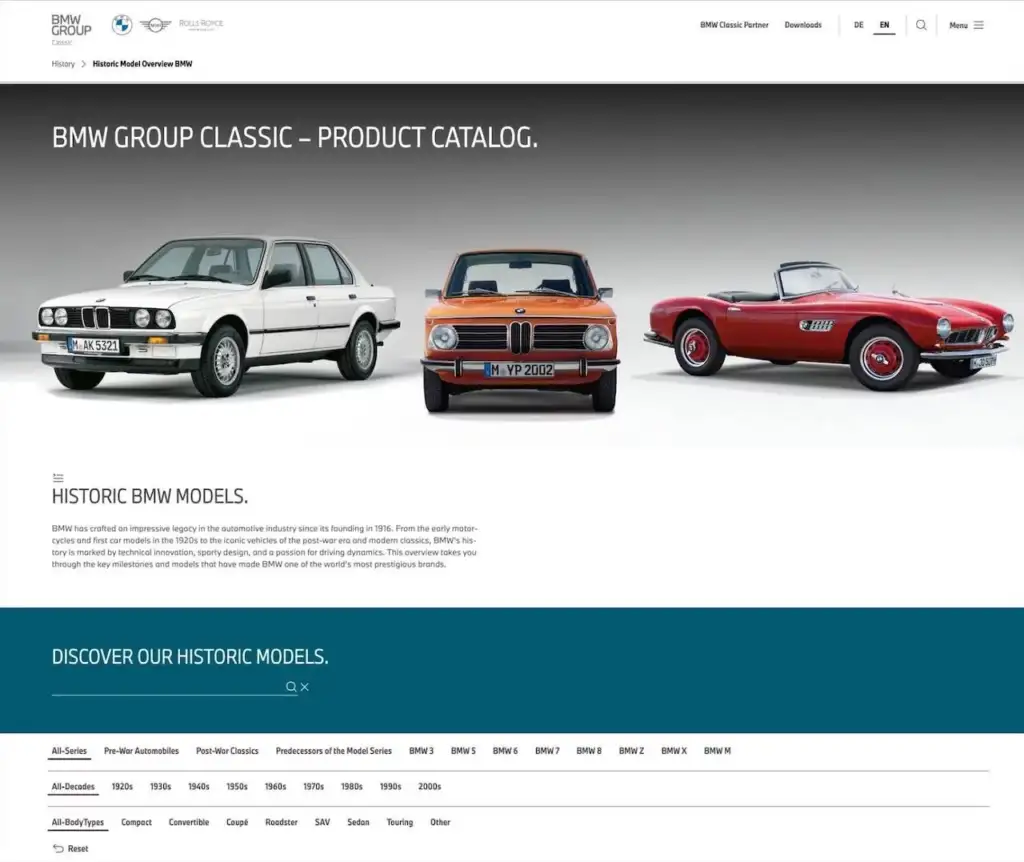
Launched in February 2025 by BMW Group Classic, the encyclopedia documents eight decades of BMW passenger cars, from early pre-war vehicles to the youngtimers of the early 2000s.
This is not a fan-made database. It’s BMW’s own historical archive, curated by the brand’s heritage department.
Who Is This BMW Encyclopedia For?
This platform is ideal for:
• BMW collectors and classic car owners
• journalists and automotive writers
• BMW fans researching model history
• anyone comparing generations, engines, or body styles
If you care about accuracy, original data, and official specs, this is the reference point.
What You’ll Find Inside the BMW Encyclopedia
Here is what makes the BMW Online Encyclopedia genuinely useful:
Detailed Model Coverage
• model timelines and production years
• body styles and variants
• facelifts and generational changes
Technical Specifications
• engine options and displacement
• power output and drivetrain
• technological milestones
Historical Insights and Facts
• unique trivia and “firsts”
• design and engineering context
• original factory photography
Advanced Search Tool
The built-in search allows you to explore BMW history by:
• model name
• production year
• body type
This makes navigating decades of BMW development surprisingly intuitive.
BMW 7 Series E38 – Luxury Defined in the 1990s
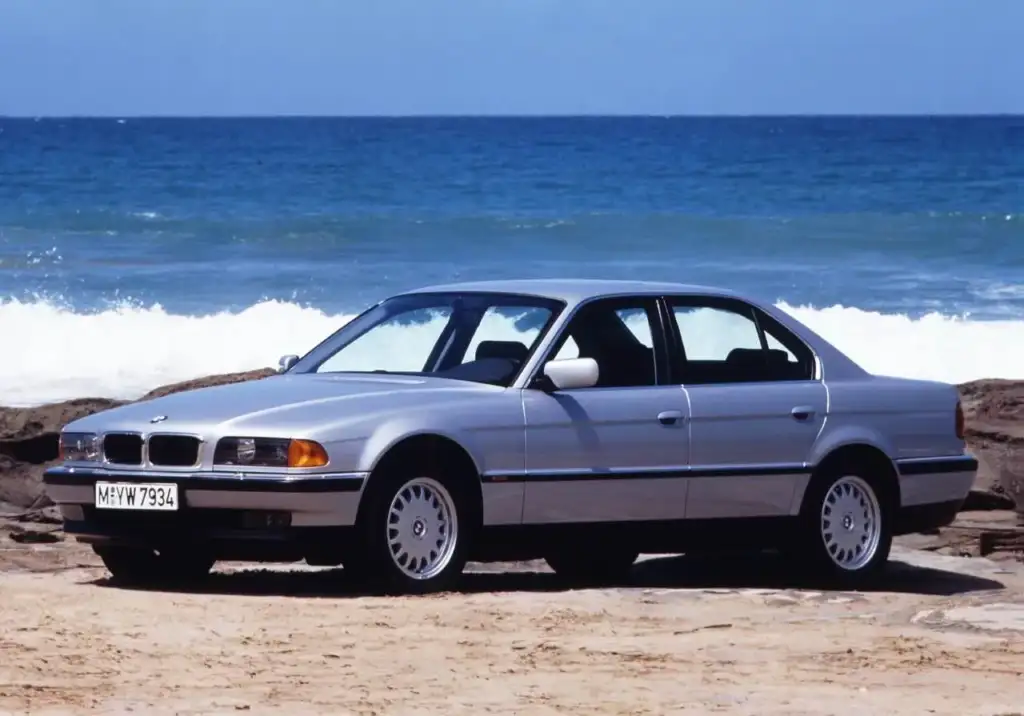
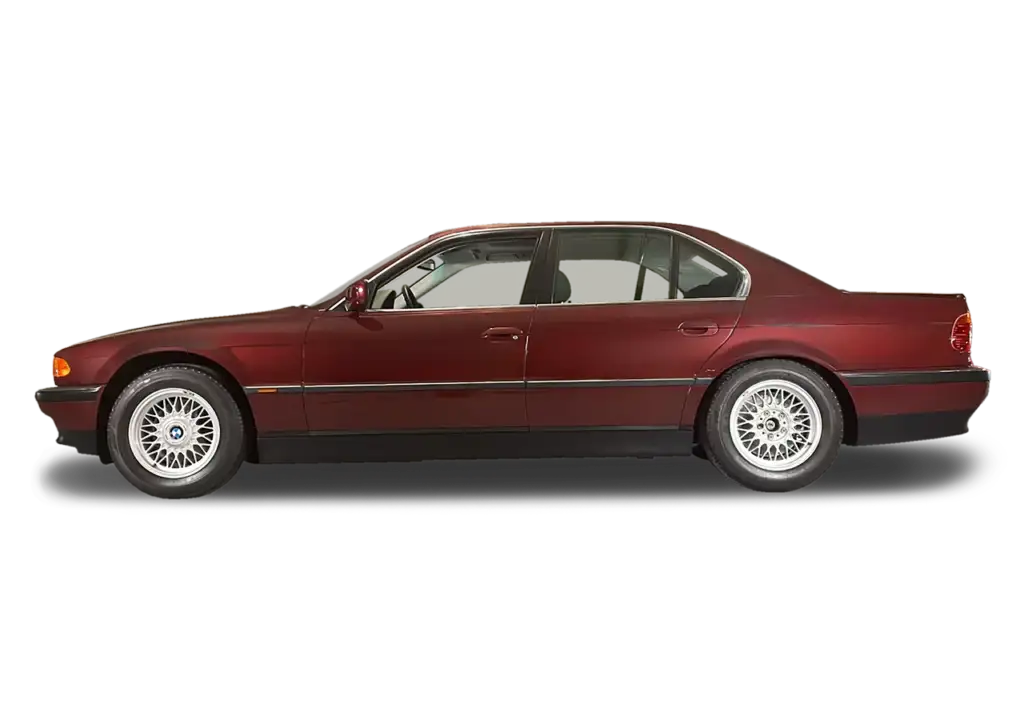
One of the standout models in the encyclopedia is the BMW 7 Series E38, produced between 1994 and 2001.
Even today, many enthusiasts consider it the most elegant BMW luxury sedan ever built.
BMW E38 – Why It Still Matters
You might wonder why the E38 is still so relevant. The answer lies in innovation.
Key facts about BMW 7 Series E38:
• first BMW equipped with GPS navigation
• world’s first production car with side curtain airbags (1997)
Editor’s Choice
• featured in Tomorrow Never Dies as James Bond’s car
• 750iL with a 5.4-liter V12 — pure prestige
• 740i V8 with 286 hp — the sweet spot between comfort and performance
Thanks to the encyclopedia, you can track the full evolution of the E38, version by version, year by year.
BMW M3 E46 – A Benchmark Sports Coupé
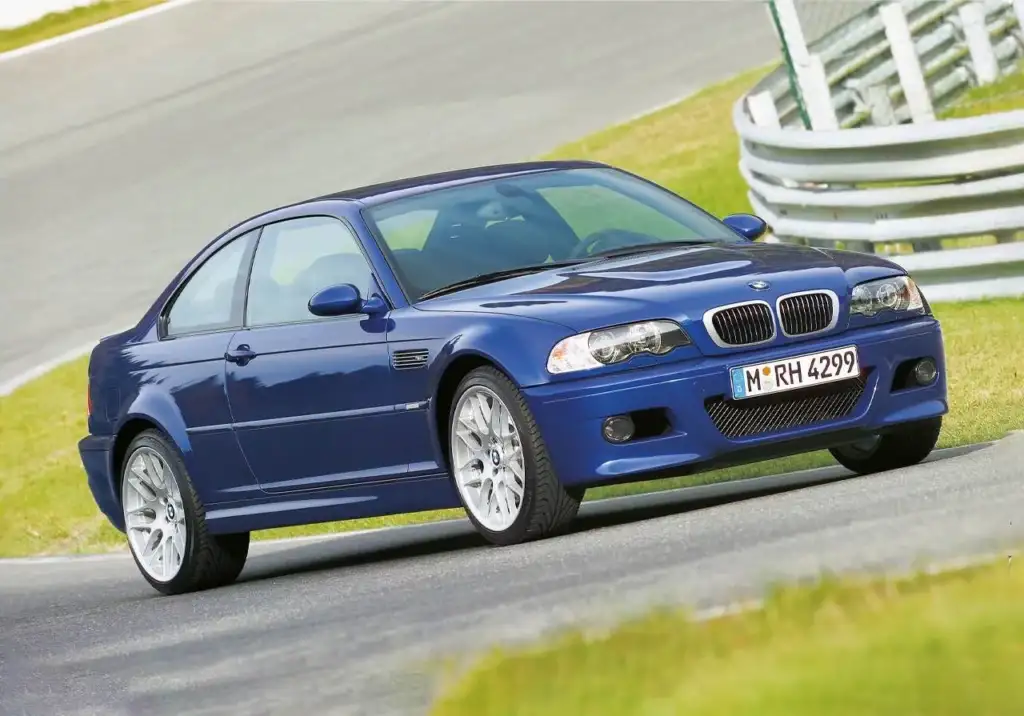
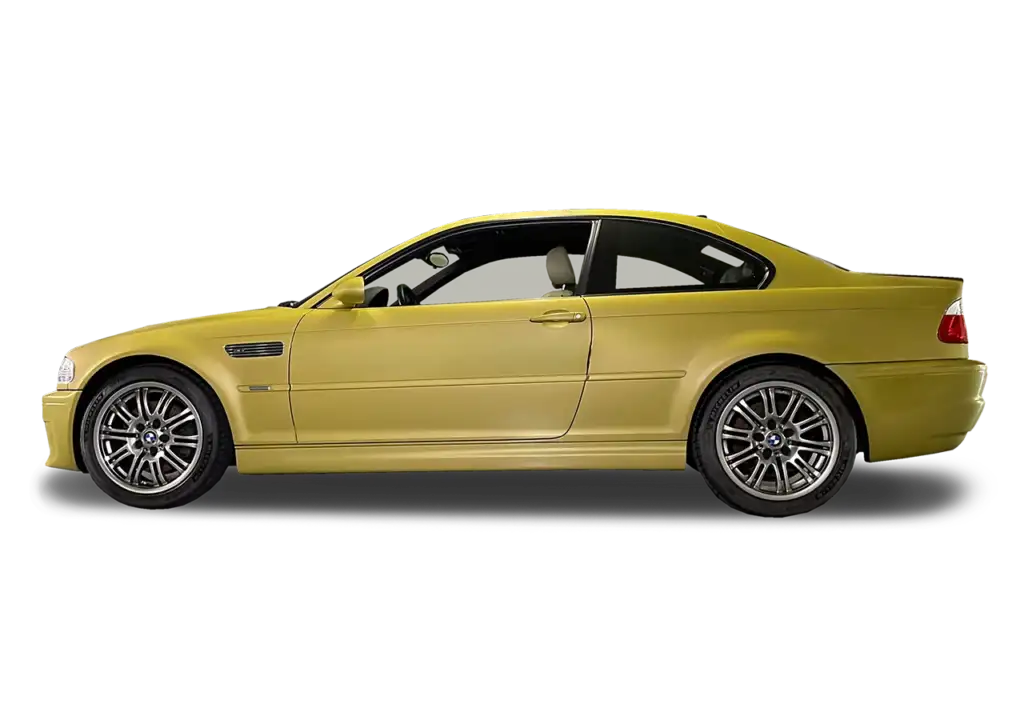
If there is one BMW that defines the golden era of naturally aspirated performance, it’s the BMW M3 Coupé E46, produced from 2000 to 2006.
For many fans, this is peak BMW M.
BMW M3 E46 Technical Highlights
Here is what you need to know about this icon:
• S54 engine – 3.2-liter naturally aspirated inline-six
• 343 hp and 365 Nm of torque
• choice of 6-speed manual or SMG II gearbox
• 0–100 km/h in 5.2 seconds
• perfect 50:50 weight distribution
• rear-wheel drive and motorsport-derived suspension

Special Editions That Made History
The encyclopedia also covers legendary versions such as:
• BMW M3 CSL
• 110 kg lighter
• 360 hp
• SMG-only
• one of the most collectible modern BMWs
The level of detail allows you to understand why the E46 M3 became a reference point — not just how fast it was.
Hidden BMW Gems You Probably Forgot
Did you know that in 1993, BMW collaborated with Baur to create the E36 Baur Topcabriolet?
It was a rare four-door convertible — one of many surprising projects documented in the encyclopedia.
Moments like this prove that BMW’s history is full of bold experiments, not just mainstream successes.
Why This BMW Encyclopedia Matters Today
In a world moving rapidly toward electrification and software-defined vehicles, understanding BMW’s past has never been more important.
This archive:
• builds trust through official data
• showcases BMW’s engineering expertise
• strengthens the brand’s authoritativeness
• offers real historical experience, not marketing talk
For anyone writing about BMW — or investing in classic models — this encyclopedia is an essential tool.
Frequently Asked Questions (FAQ)
What information does the BMW encyclopedia include?
You’ll find technical specifications, production years, model histories, trivia, and official images of BMW cars from 1928–2008.
Does it include all BMW models?
Almost all passenger cars are covered, although some niche or less popular models may have limited data.
Is the BMW Online Encyclopedia free?
Yes. Access is completely free.
Does it include BMW Motorrad or MINI?
BMW Motorrad and MINI have separate archives available through BMW Group Classic.
How do I access the encyclopedia?
Simply visit the official BMW Group Classic website and use the model search tool.
Discover BMW Heritage for Yourself
If you love classic BMW, this online encyclopedia is a must-visit destination.
It’s not just a database — it’s a reminder of why BMW became one of the most respected automotive brands in the world.
👉 Visit BMW Group Classic and start exploring the history behind the badge.
