

BMW M3 History: From BMW E30 to G80 – Evolution of a Legend
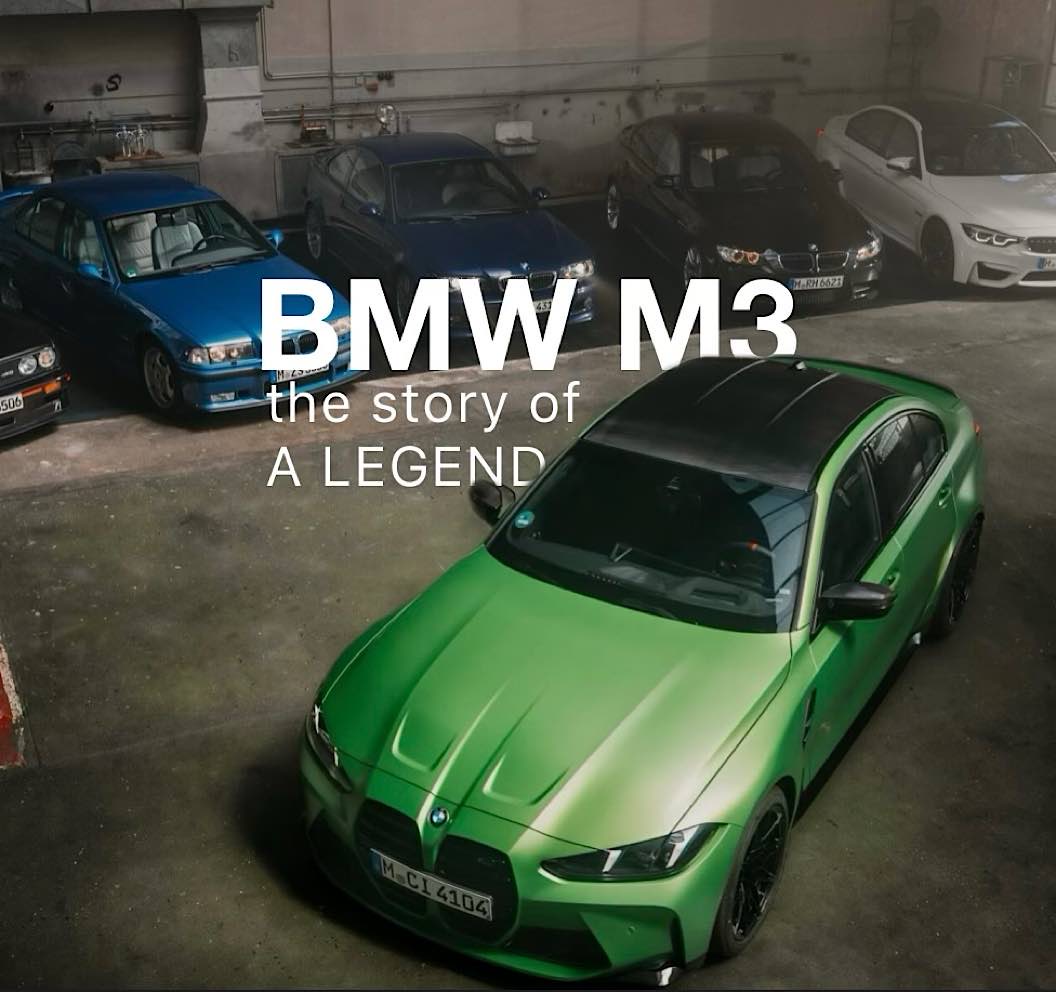
BMW M3 history is a story of engineering obsession that has defined the sports sedan segment for over four decades. The letter “M” is often called the most powerful letter in the world…
For more than 50 years, BMW M GmbH has built its reputation through motorsport. The BMW M3 has become its flagship – a car that bridges the racetrack and daily driving.
You don’t have to be a car fanatic for the combination of the letter M and the number 3 to make your heart race. It’s more than a car. It’s a lifestyle. A symbol of success. And one of the most sought-after models in the youngtimer market.
In this article, we’ll walk you through four decades of evolution – from raw beginnings to the luxurious boulevards by Lake Como.
Here’s what you need to know about the model that defined the sports sedan.
Key Moments in BMW M3 History
- 1986 – M3 E30 debut (DTM homologation)
- 1992 – E36 and the inline-six era
- 2000 – Launch of the limited M3 E46
- 2007 – The only V8 in M3 history
- 2014 – Introduction of turbocharging
- 2020 – BMW M3 G80
BMW M3 E30 – The First Generation
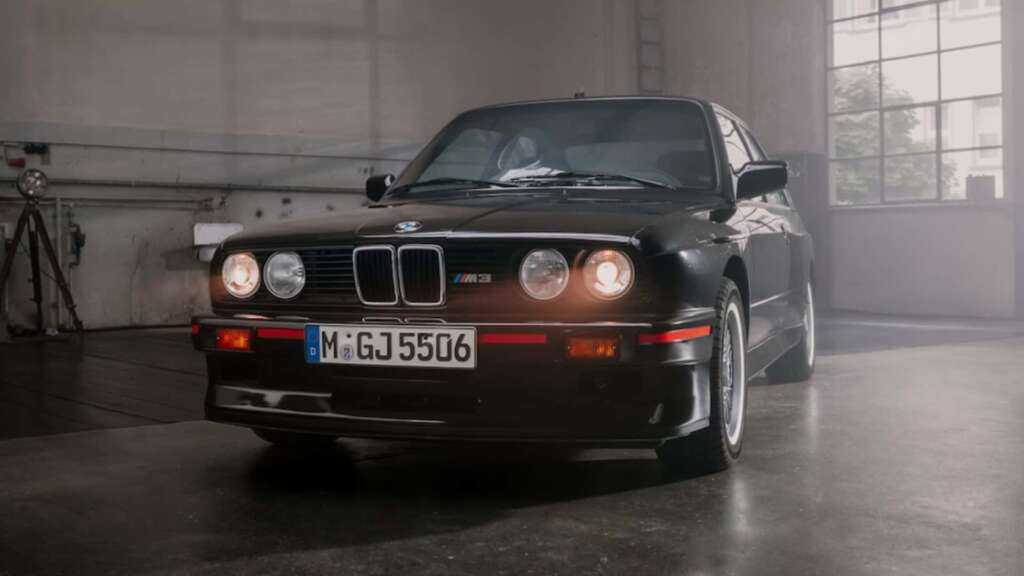
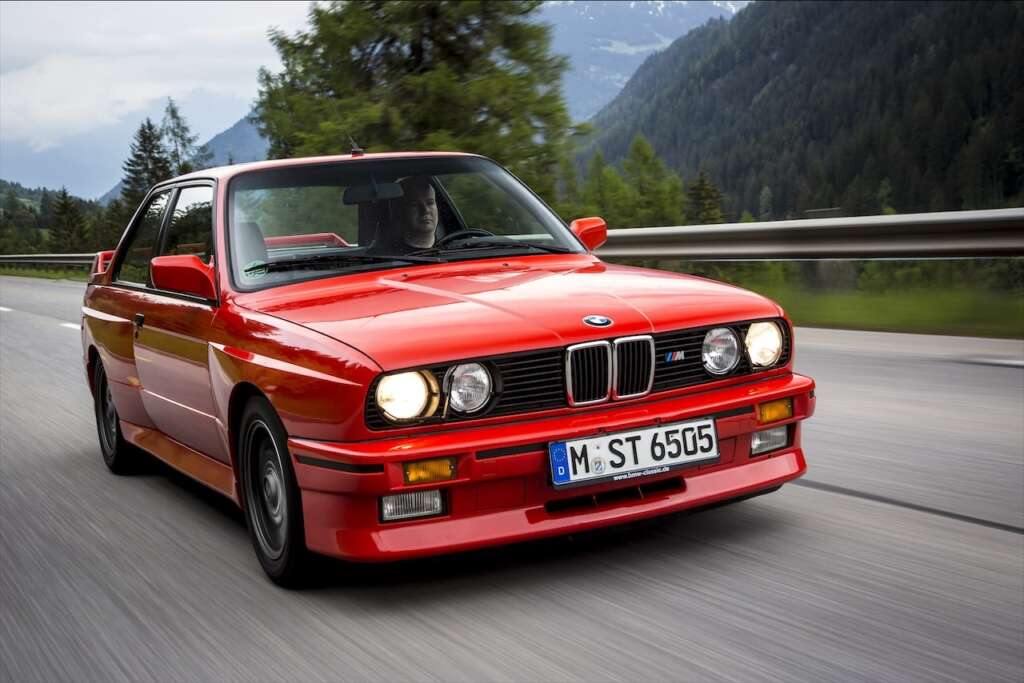
If you think the first BMW M3 was just a “tuned 3 Series,” think again.
Editor’s Choice
The BMW M3 E30 was designed as a race car, with the road version built solely to meet Group A homologation requirements.
As Tony Lewin notes in his monograph on BMW M, the S14 engine was the genius of Paul Rosche. Legend has it that the first concept of this engine was created in just two weeks. Engineers borrowed the architecture of the BMW M1, shortening it to four cylinders and creating a high-revving 200 hp engine.
The result? A car that won DTM races while remaining street-legal.
For purists: The BMW E30 M3 featured:
- Flared wheel arches
- Revised roofline with unique rear window geometry
- Improved aerodynamics
- Dogleg gearbox with first gear positioned down
“It’s basically a race car you can comfortably drive on the road.”
Gordon Cruickshank, Motor Sport
Technical Specifications of All BMW M3 Generations
| Generation | Years | Engine | Power | Torque | 0–100 km/h | Top Speed |
|---|---|---|---|---|---|---|
| E30 | 1986–1989 | S14B23 I4 | 200 hp | 240 Nm | 6.7 s | 235 km/h |
| E36 3.2 | 1995–1999 | S50B32 I6 | 321 hp | 350 Nm | 5.5 s | 250 km/h |
| E46 | 1999–2006 | S54B32 I6 | 343 hp | 365 Nm | 5.2 s | 250 km/h |
| E46 CSL | 2003–2006 | S54B32HP I6 | 360 hp | 370 Nm | 4.9 s | 280 km/h (without limiter) |
| E92 | 2006–2013 | S65B40 V8 | 420 hp | 400 Nm | 4.6 s | 250 km/h |
| F80 | 2012–2018 | S55 I6 Twin Turbo | 431 hp | 550 Nm | 4.1 s | 250 km/h |
| G80 Competition | 2018–Present | S58 I6 Twin Turbo | 510 hp | 650 Nm | 3.9 s | 290 km/h (M Package) |
Evolution or Revolution? From S50 Inline-Six to Iconic E46 CSL
BMW M3 E36 – Entering the Mainstream
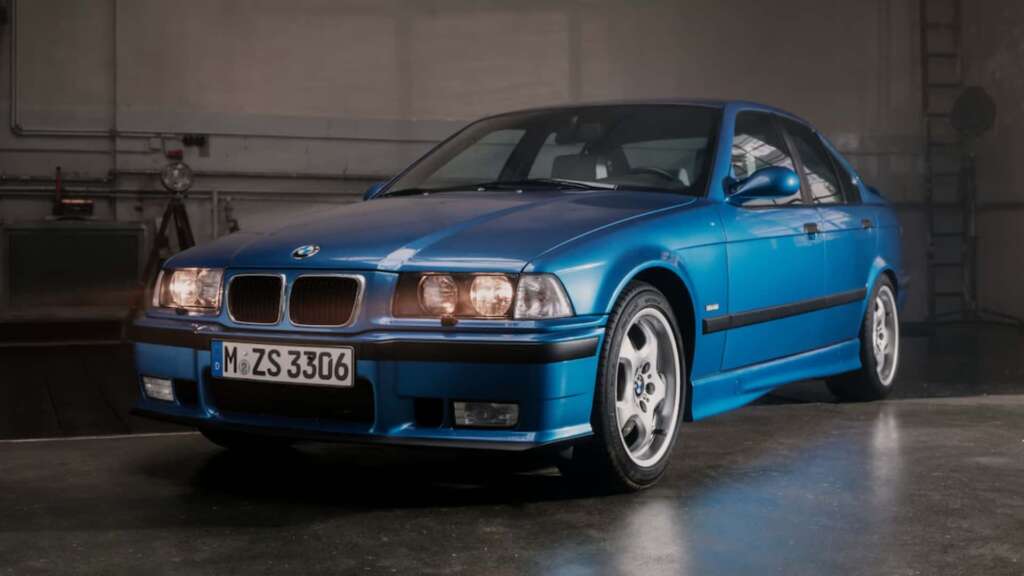
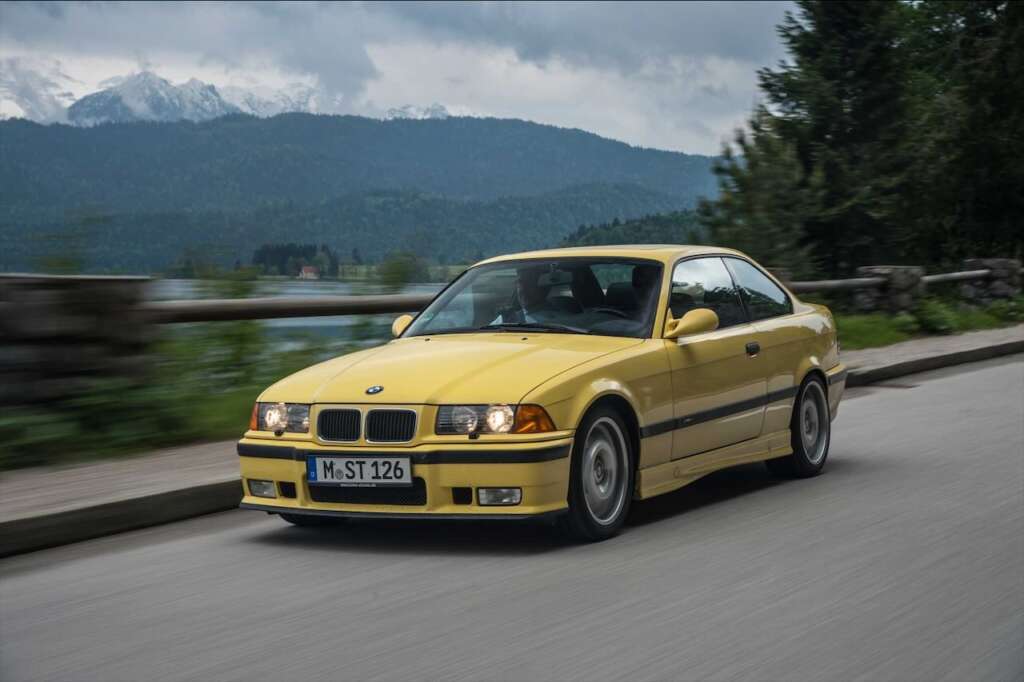
In 1992, the BMW M3 E36 arrived. Replacing the rawness of the first generation, BMW offered an inline-six producing 286 hp, paired with improved suspension and interior comfort. Purists initially frowned at the softer ride and increased luxury, but the market went wild — over 71,000 units were sold, making the M3 a symbol of 1990s success.
What made the E36 special:
• Smooth and high-revving inline-six engine
• Increased comfort without losing performance focus
• A versatile range: sedan, coupé, and convertible
“The E36 M3 blended everyday usability with track-capable performance, defining a generation.”
Period automotive press
BMW M3 E46 – The Golden Standard and CSL “Holy Grail”
For many enthusiasts, the BMW M3 E46 represents the perfect balance between analog driving feel and modern performance.
The S54 naturally aspirated engine remains one of the best-sounding inline-six units in BMW history.
Why the E46 CSL Is Considered the “Holy Grail”
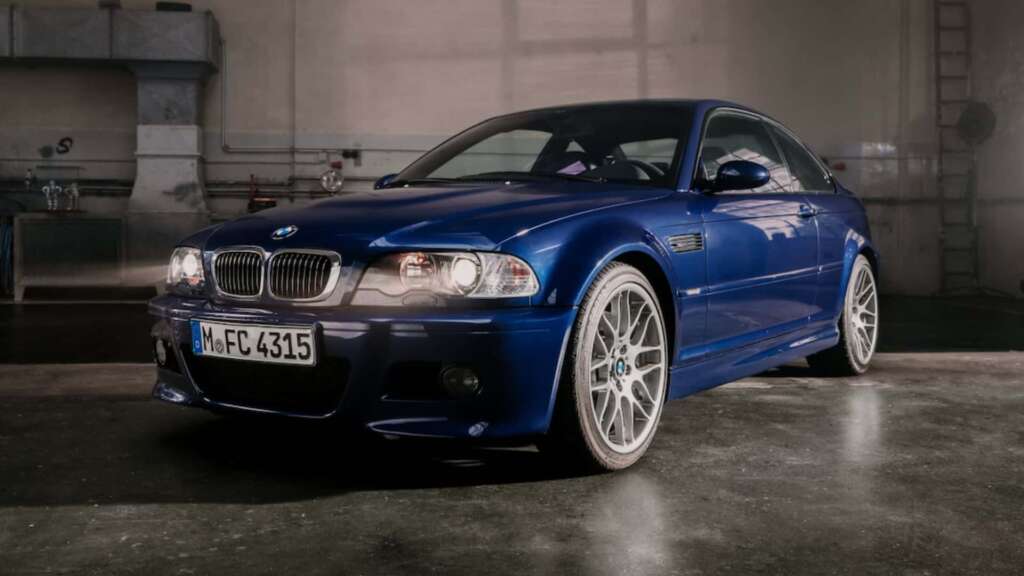
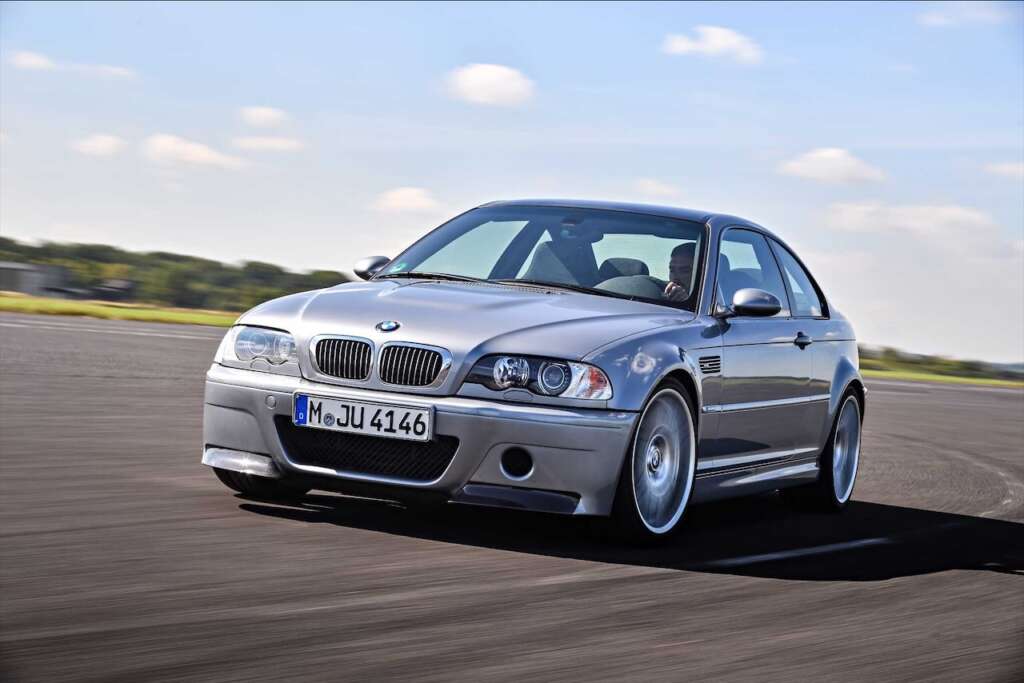
If you ask purists which M3 they’d take to a deserted island, most would point to the E46 without hesitation. Launched in 2000, it is widely regarded as the most beautiful M3 ever — a perfect balance of proportion, muscle, and elegance.
The S54 naturally aspirated inline-six produced 343 hp, revving up to 8,000 rpm, delivering precise throttle response and razor-sharp handling. The E46 also introduced the iconic “power dome” on the hood, widened fenders, and signature side gills, creating the muscular look that defined a generation.
Key highlights of the E46 M3:
• S54 3.2L inline-six, 343 hp
• Perfectly balanced proportions and iconic design
• M3 CSL (2003) – 110 kg lighter, 360 hp, track-focused refinement
“The CSL’s engine note is sublime — nothing else comes close. Could this be the best M car in history? Quite possibly.”
Jesse Crosse
For many, the E46 remains the last truly analog M3. If you want a car that communicates through the steering wheel like no other modern vehicle, this is the one.
V8 Era and the Turbo Shift
BMW M3 E90/E92 – The Only V8 in M3 History
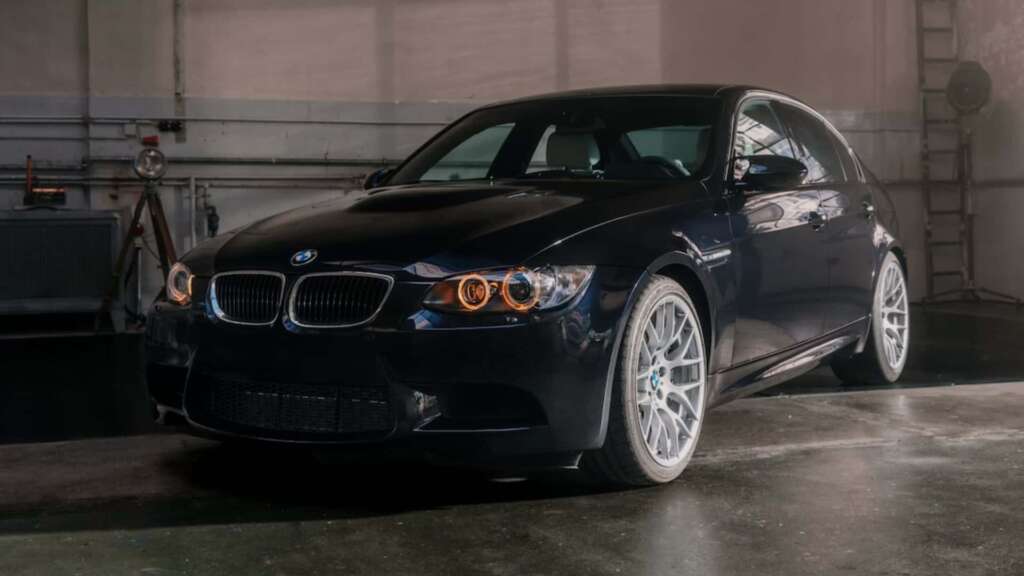
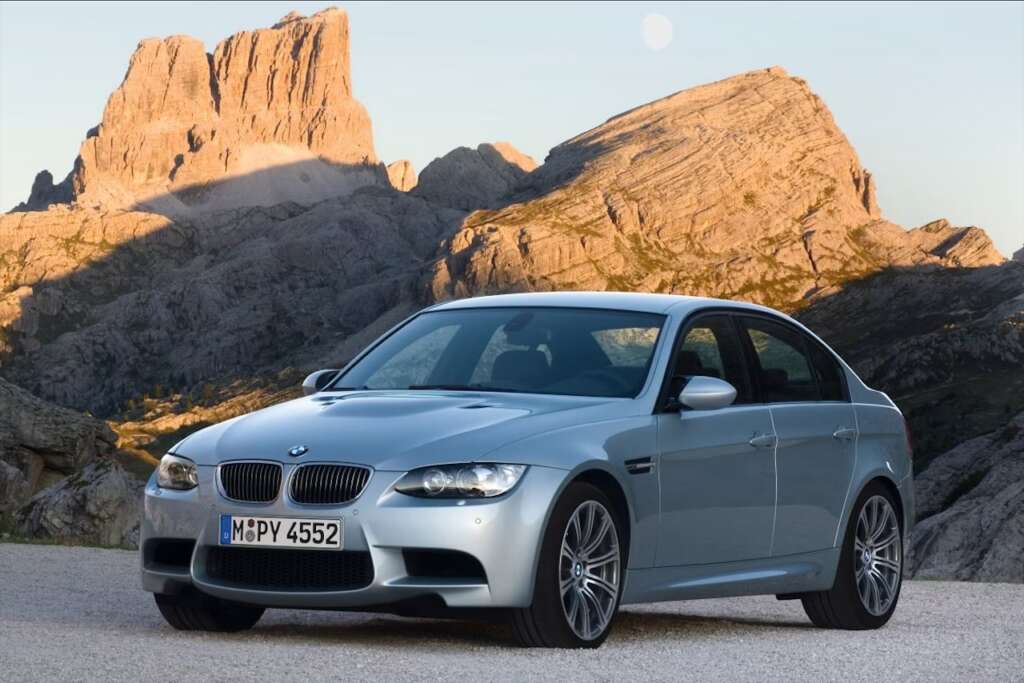
The E90/E92 generation marked the most radical shift in BMW M3 history. For the first and only time, the M3 received a naturally aspirated V8 engine.
Under the hood sat the 4.0-liter S65B40 producing 420 hp and revving to an astonishing 8,300 rpm. Despite having eight cylinders, the engine was lighter than the previous E46’s inline-six — a remarkable engineering achievement. This was not a traditional muscle car V8. It was sharp, high-revving, and inspired by BMW’s Formula 1-era engineering philosophy, delivering razor-sharp throttle response and a race-derived soundtrack.
Why the V8 M3 still matters:
• The only V8 in M3 history
• The last naturally aspirated chapter
• A perfect balance of analog feel and modern precision
“One of the last truly great naturally aspirated performance engines.”
Period automotive press
Available as sedan (E90), coupé (E92), and convertible (E93), this generation is now widely seen as the closing act of a purist era — before turbocharging reshaped the M formula.
BMW M3 F80 – Turbo Redefines the Formula (2014–2018)
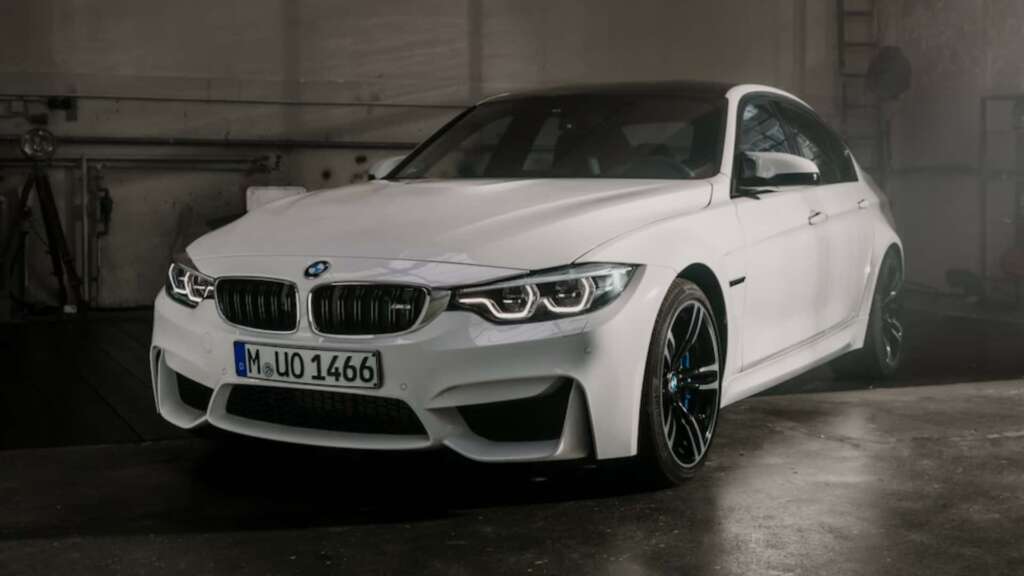
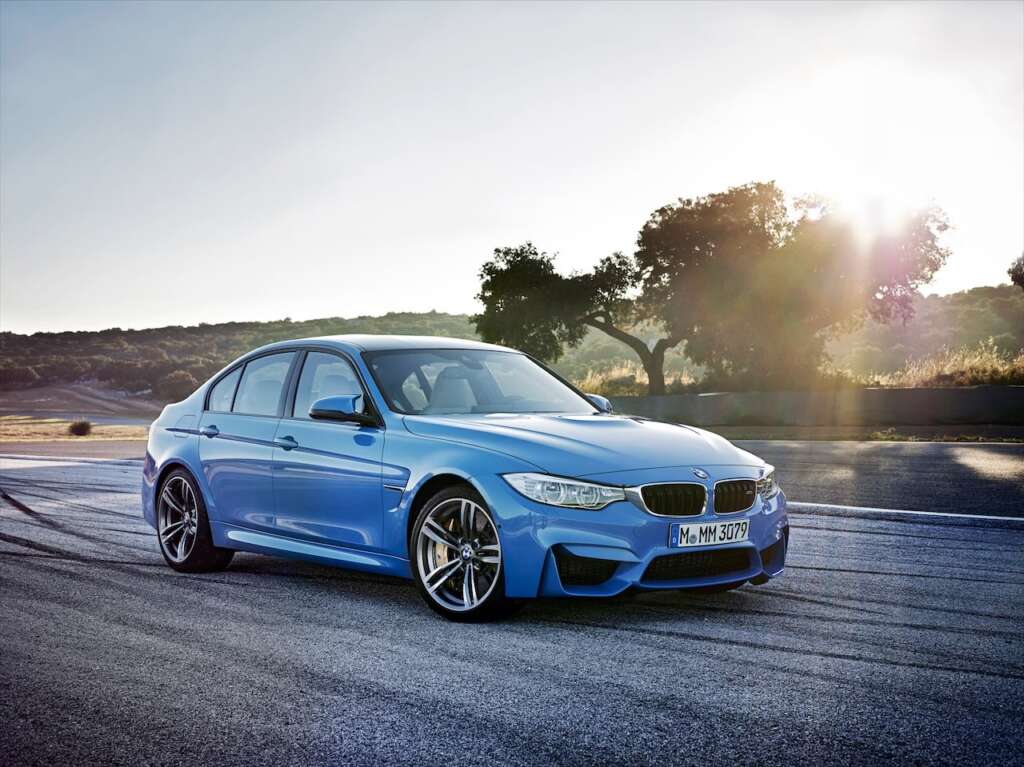
The F80 generation marked a decisive shift in BMW M3 history. The naturally aspirated V8 was replaced by a twin-turbocharged inline-six — and with it came a new kind of performance.
The S55 engine delivered more torque than any M3 before it, transforming the car into a brutally effective real-world machine. Acceleration was instant, mid-range pull relentless, and overall pace undeniable.
BMW compensated for the added complexity of turbocharging with aggressive weight reduction and advanced materials, including a carbon-fiber driveshaft. This generation also marked a historic split: M3 became sedan-only, while coupé and convertible models evolved into the M4.
What defined the F80 era:
• The return of the turbocharged inline-six
• Massive torque and everyday usability
• Motorsport technology blended with digital precision
“With every M car, we bring motorsport technology to the road. The balance between performance and daily usability is our priority.”
Markus Flasch, former Head of BMW M
Controversial at launch, the F80 ultimately proved that turbocharging did not dilute the M3 — it redefined it.
BMW M3 G80 – Modern Technology and M xDrive
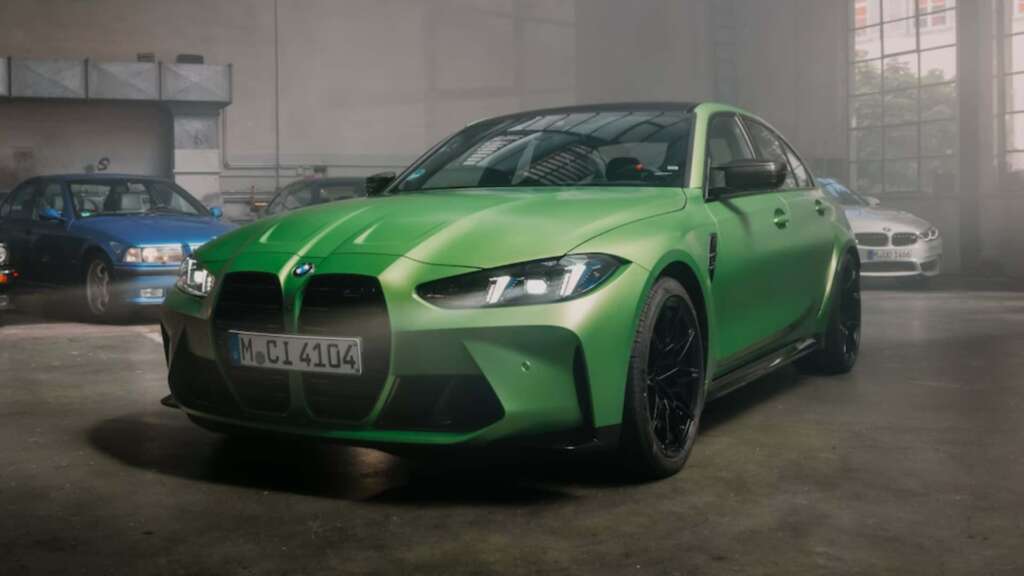
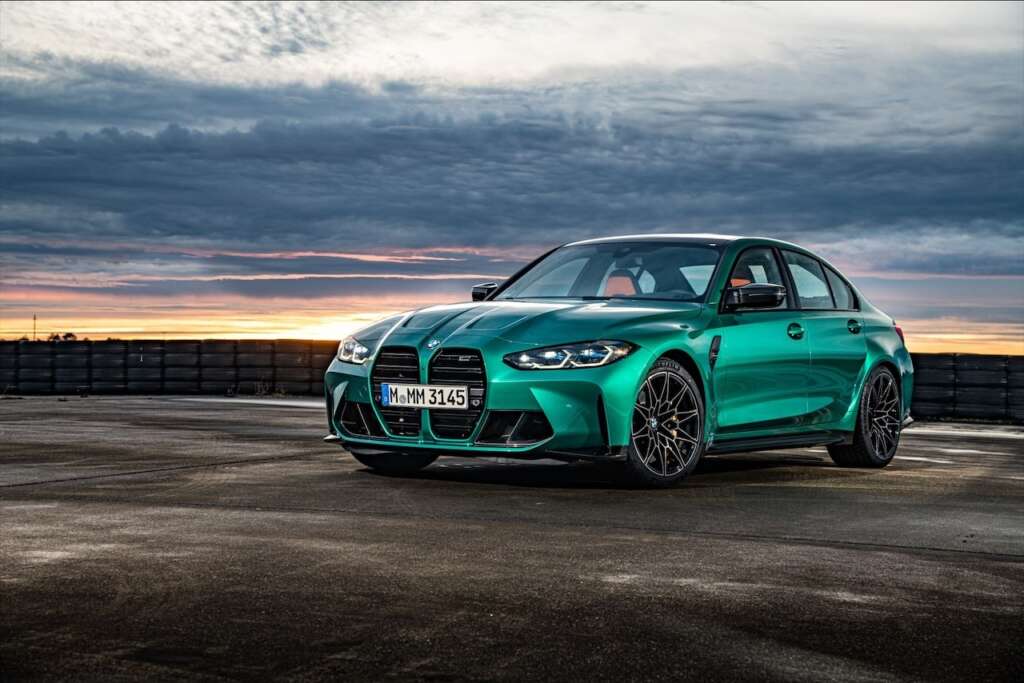
The G80 generation represents the boldest evolution of the M3 formula. More powerful, more digital, and more complex than ever before, it pushes performance into a new era.
With up to 510 hp in Competition form and the introduction of M xDrive all-wheel drive, the G80 delivers staggering grip and acceleration. Yet BMW did not abandon tradition entirely — a manual rear-wheel-drive version remains available for purists who still crave mechanical involvement.
Inside, the transformation is just as dramatic. A fully digital cockpit replaces analog simplicity, signaling how far the M3 has moved into the modern performance age.
What defines the G80 generation:
• Up to 510 hp twin-turbo inline-six
• Optional M xDrive with switchable RWD mode
• First-ever M3 Touring
For the first time in history, BMW also introduced the M3 Touring — finally combining supercar pace with everyday practicality.
Love it or hate it, the G80 proves one thing: the M3 continues to evolve without losing its performance core.
Premium Lifestyle – Concorso d’Eleganza Villa d’Este
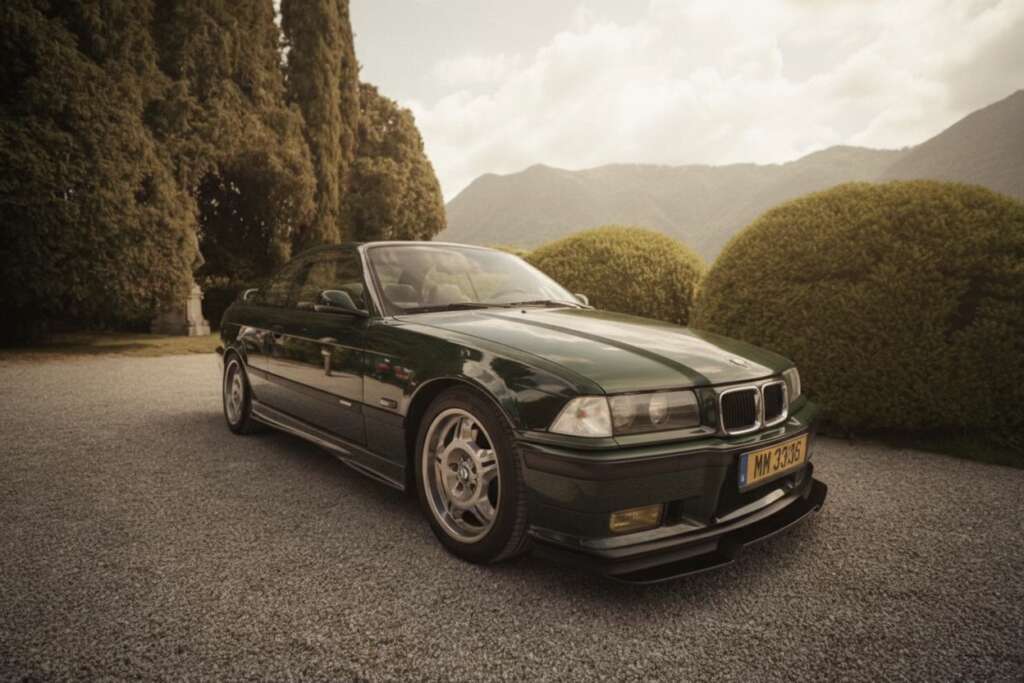
BMW M’s history isn’t just about numbers and power curves. Every year at the Concorso d’Eleganza Villa d’Este on Lake Como, the brand shows that the letter “M” fits both the Nürburgring and the red carpet.
This year is special – celebrating 40 years of the BMW M3. From raw E30 homologation to today’s technological icons, the M3 defined the sports sedan and became a collector’s icon. On the shores of Lake Como, this anniversary resonates the most, revealing M’s second face: refined, artistic, and timeless.
Here, the BMW M3 is more than a machine – it’s part of the world of collectors, investors, and premium car enthusiasts.
Why Classic BMW M3 Models Are Investment AsWhy Classic BMW M3s Are Now “Hard Currency”
If you’re considering a purchase, here’s what to know:
- E30 M3 prices have long surpassed €100,000
- E46 CSL values continue to rise
- E92 V8s increasingly appear in investment collections
Collectors value:
- Originality
- Complete service history
- VIN matching
- Limited editions
The M3 is no longer just a car – it’s an asset.
Conclusion
From the raw E30 to the digital G80, the BMW M3 continually redefines the sports sedan. It’s a car that marries racetrack performance with everyday usability, setting benchmarks in its segment for four decades.
Thinking about buying? Classic M3s are no longer just an emotional purchase – they’re an investment decision.
FAQ – BMW M3
Which BMW M3 Generation Is Best for Investment?
The E30 and E46 CSL models show the strongest appreciation trends. The E92 V8 also has strong long-term potential.
What Does BMW M Stand For?
M stands for Motorsport. BMW Motorsport GmbH was founded in 1972.
Is the BMW M3 Available as a Touring?
Yes. The BMW M3 Touring is the first official wagon version in M3 history.
Does the BMW M3 G80 Offer xDrive?
Yes. The M xDrive system allows switching to rear-wheel-drive mode.
