

BMW M Turns 50: Legends, Adrenaline and Pure Driving DNA
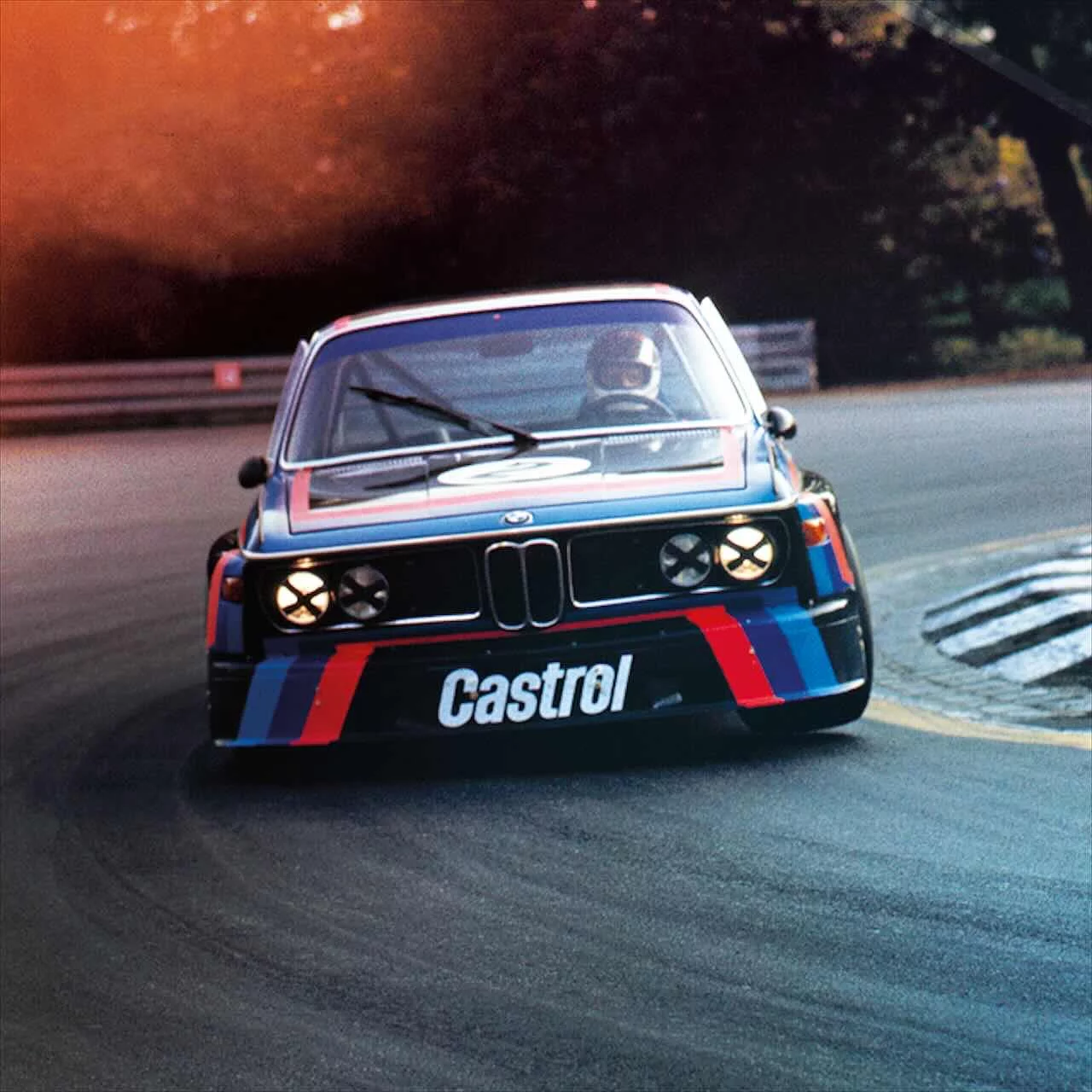
BMW M. Two letters that have meant adrenaline, obsession and engineering madness for over five decades. This is not just BMW’s performance division. It’s a mindset. A philosophy. A promise that driving should feel special.
If your heart beats faster at the sound of an inline-six, and an M badge still gives you goosebumps — you’re exactly where you should be.
Here’s what you need to know about 50 years of BMW M, from raw motorsport roots to a high-tech future.
How BMW M Was Born: Motorsport Before Marketing
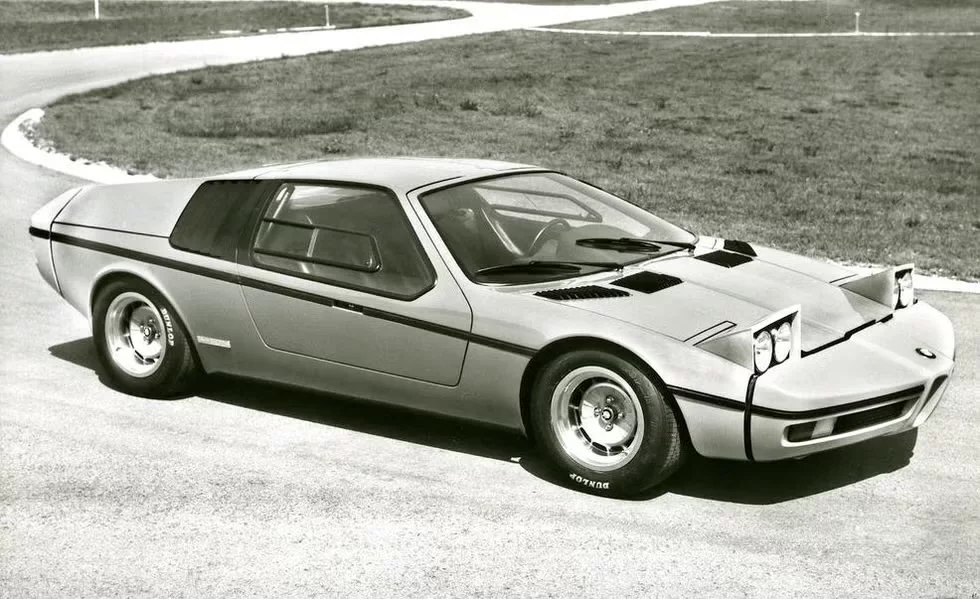
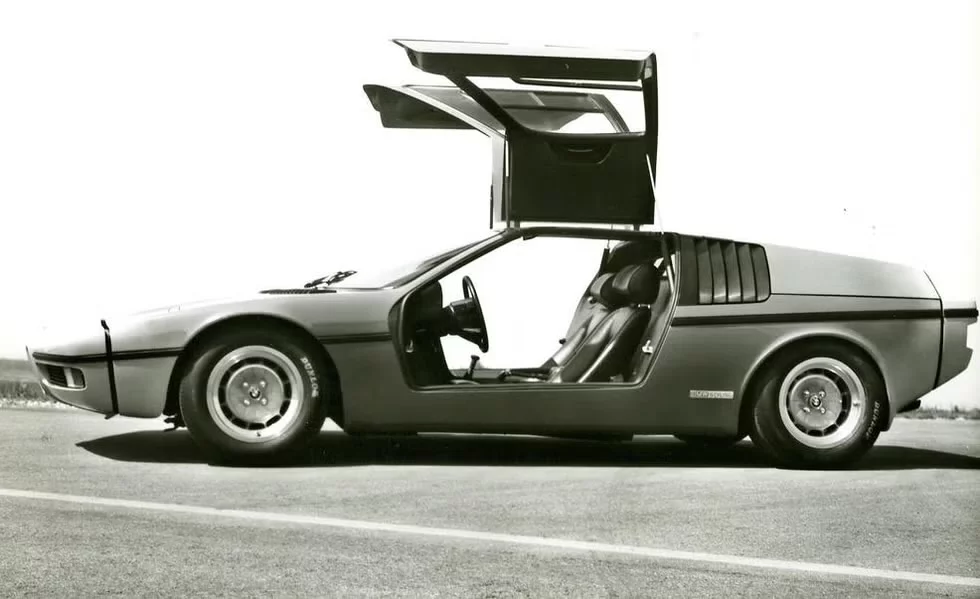
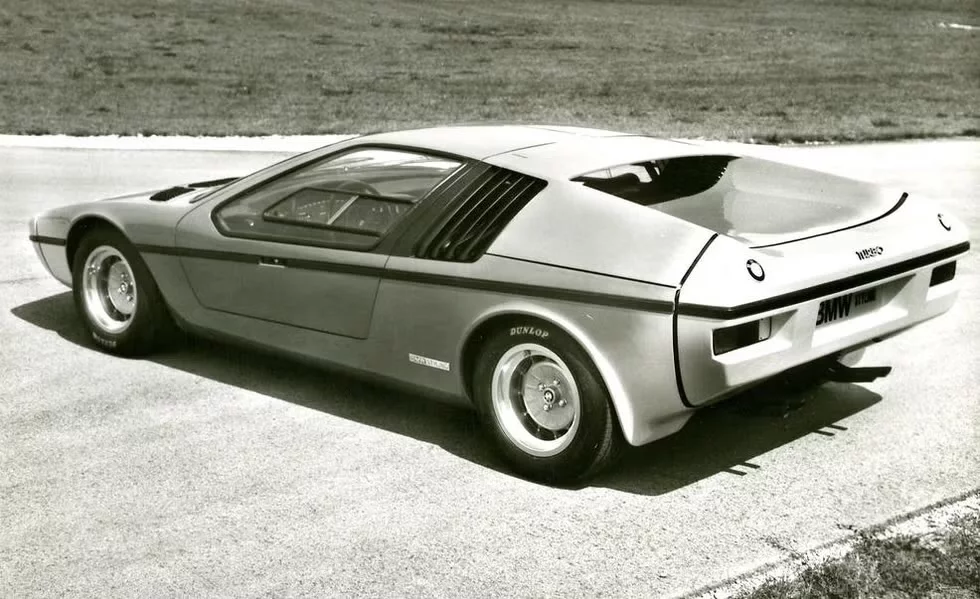
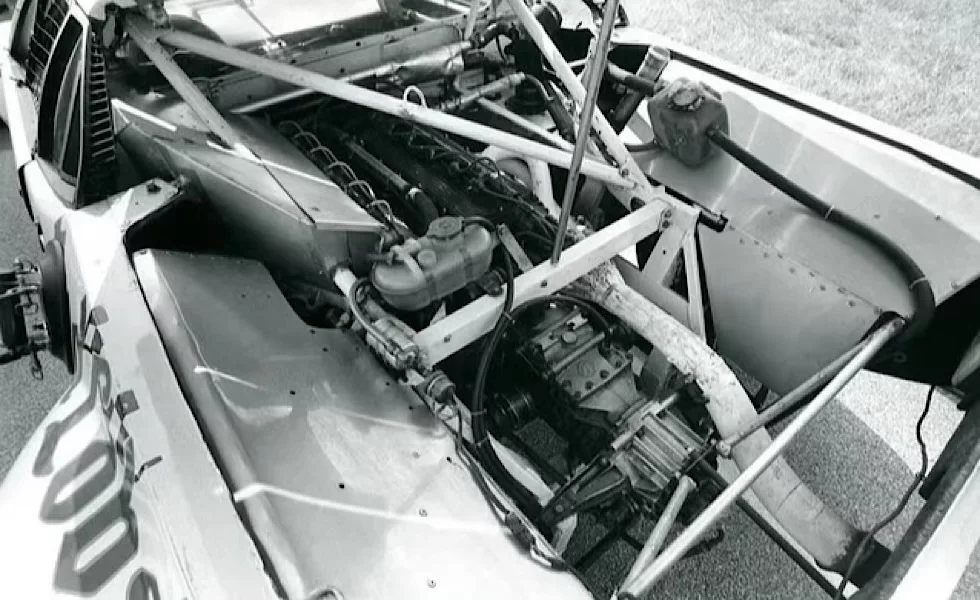
In the early 1970s, motorsport was brutal. Porsche and Ferrari ruled the circuits, and BMW wanted more than just participation. In 1972, BMW Motorsport GmbH was officially founded.
The first masterpiece? BMW 3.0 CSL.
You might wonder where the iconic BMW M colors came from.
Here’s the story:
• Blue stands for Bavaria
• Red symbolizes racing passion
• Violet was the blend of both worlds
But the real revolution arrived in 1978.
BMW M1: The First True M Car
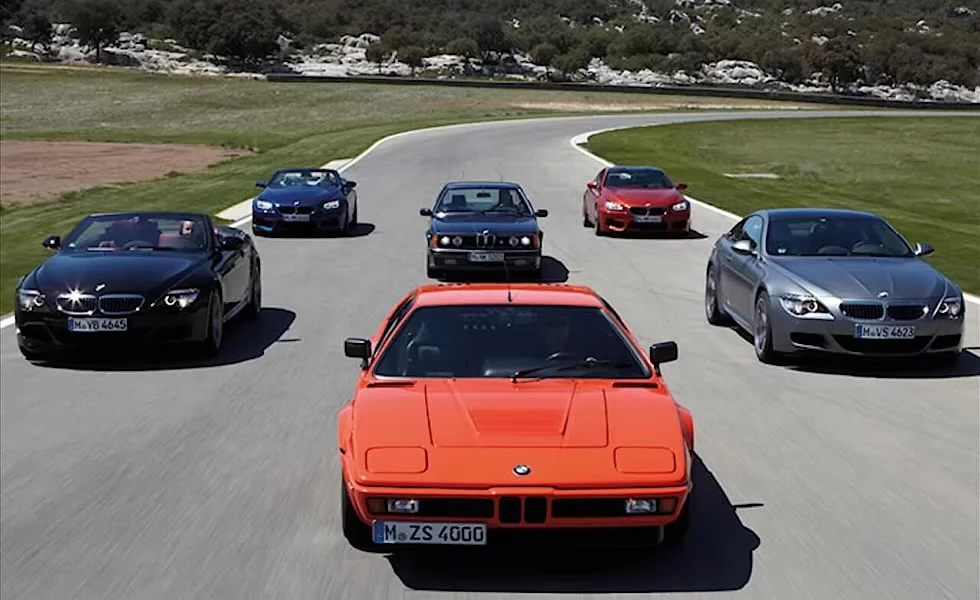
The BMW M1 was something no one expected. A mid-engine supercar, designed by Giorgetto Giugiaro, powered by a 277-horsepower inline-six.
It was:
• Fast
• Exotic
• Technically advanced
And commercially? A disaster.
But that didn’t matter. The M1 became a legend overnight.
Paul Rosche, BMW M’s chief engineer, famously said:
Give me more time, and I’ll make 1,000 horsepower.
Paul Rosche
That sentence perfectly captures the early BMW M DNA.
The 1980s and 1990s: When Icons Were Born
BMW M didn’t chase trends. It created them.
BMW M3 E30: Motorsport Royalty
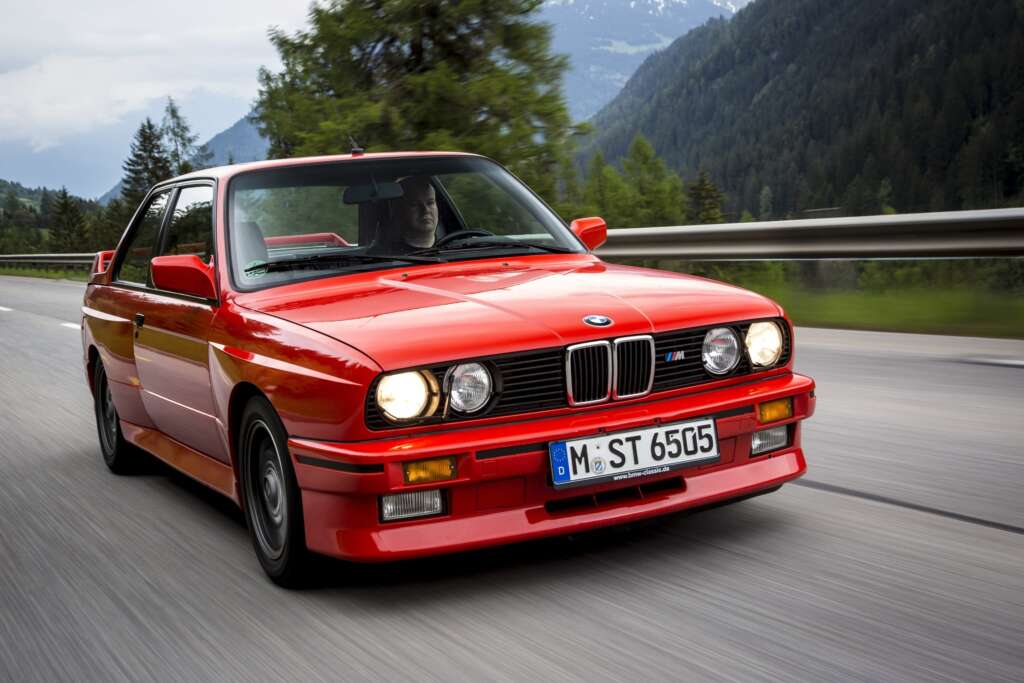
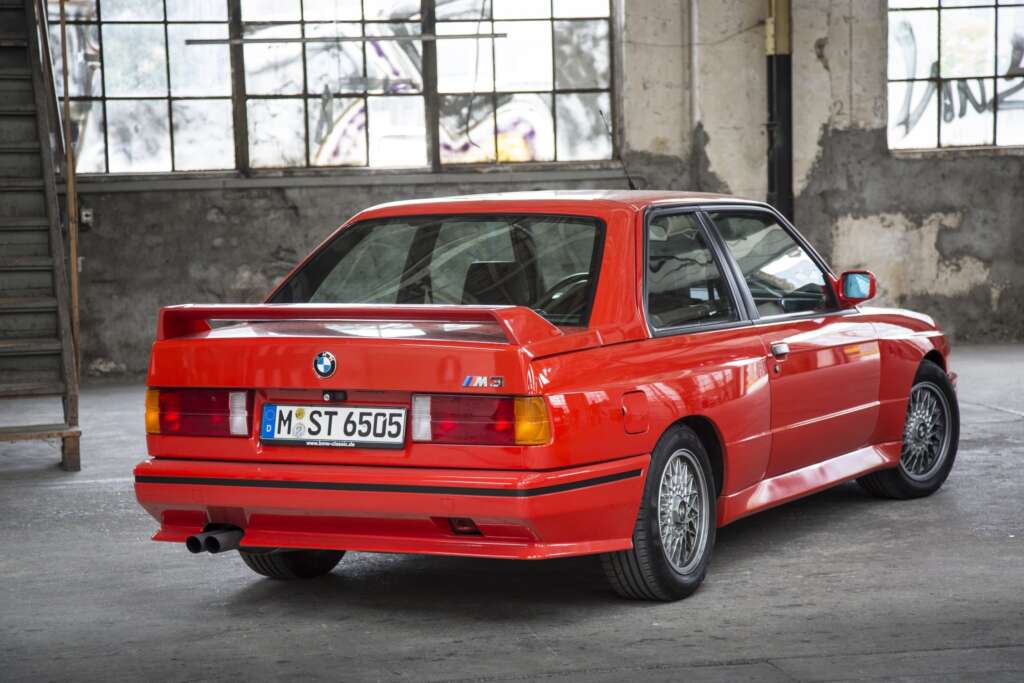
Introduced in 1986, the BMW M3 E30 was built to dominate racing — and it did. Lightweight, razor-sharp and powered by a 200-horsepower engine, it became one of the most successful touring cars in history.
Fun fact:
The E30 M3 achieved over 1,500 race victories worldwide. That’s not marketing — that’s motorsport dominance.
BMW M5: The Super Sedan Formula
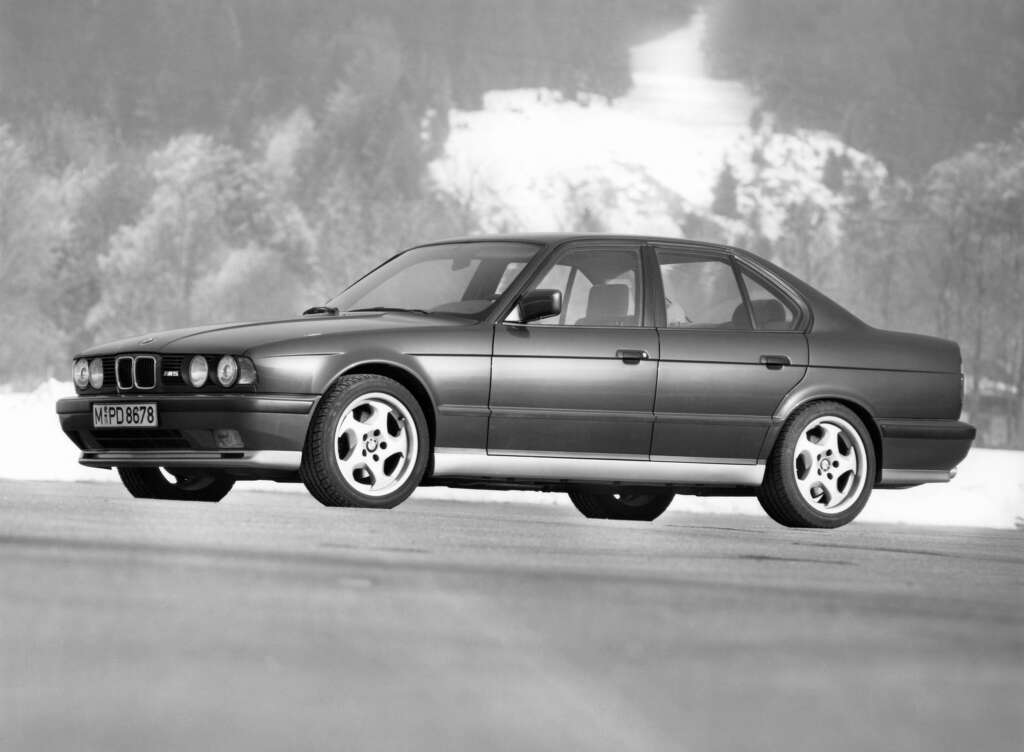
Then BMW did something crazy. It took supercar-level engines and put them into executive sedans.
• BMW M5 E34 – 315 hp, inline-six, subtle but savage
• BMW M5 E39 – 400 hp V8 and, for many enthusiasts, the greatest M5 ever made
Jeremy Clarkson summed it up perfectly:
The BMW M5 E39 is the greatest car ever built. Period.”
Jeremy Clarkson
Hard to argue.
The 2000s: More Power, More Drama
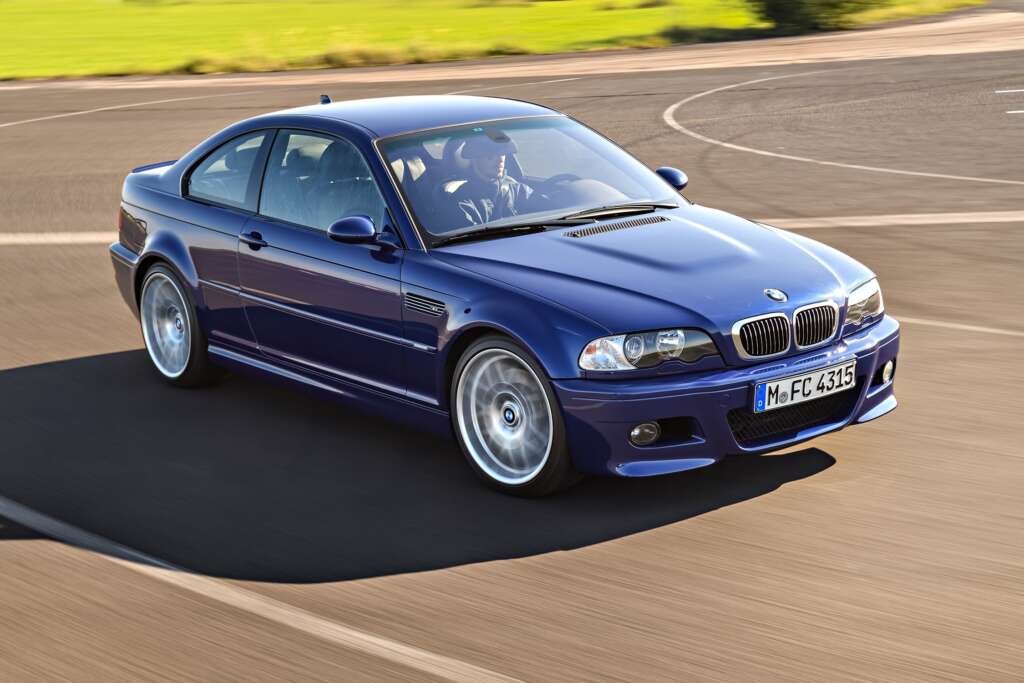
This era was pure insanity — in the best possible way.
• BMW M3 E46 – the last naturally aspirated inline-six M3
• BMW M5 E60 – a screaming V10 revving to 8,250 rpm
• BMW M3 E92 – the only V8-powered M3 ever
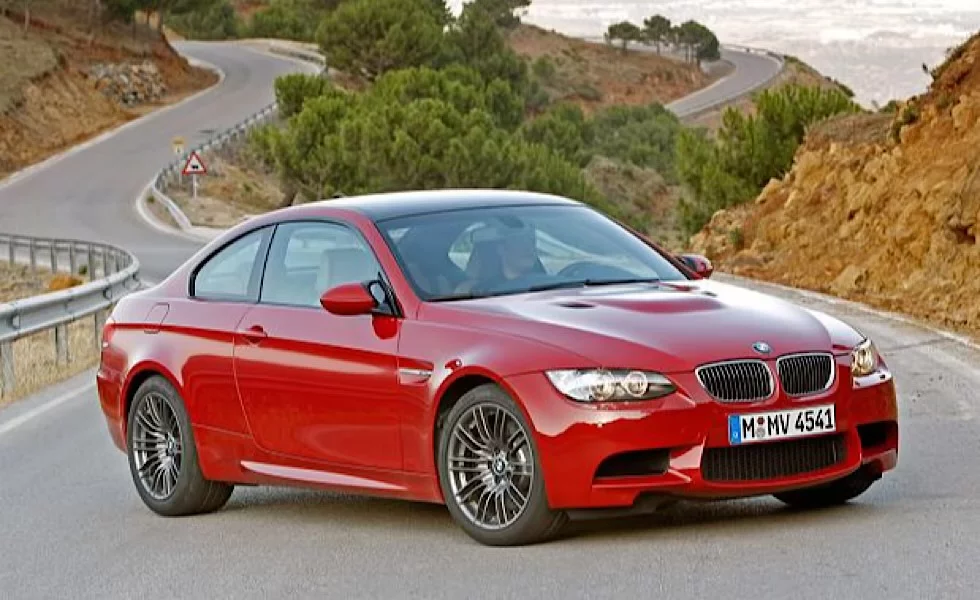
Here’s something you don’t hear often:
The M5 E60 was so aggressive that its SMG gearbox could literally damage the drivetrain during hard launches.
Raw? Absolutely.
Perfect? Not always.
Memorable? Forever.
Turbocharging Changes Everything
The 2010s brought a philosophical shift. Turbochargers arrived — and purists panicked.
Models like:
• BMW M4 F82
• BMW M5 F10
Editor’s Choice
offered insane performance, better efficiency and advanced electronics. Some said the emotion was gone. Others realized something important:
BMW M wasn’t becoming softer.
It was becoming faster.
BMW M Today: Technology Meets Emotion
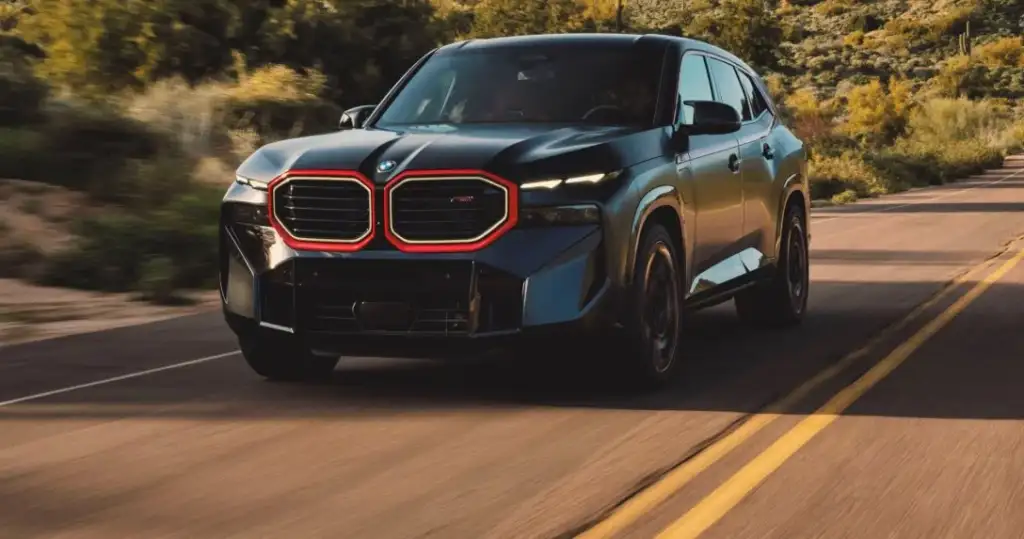
Modern BMW M cars are redefining performance once again.
• BMW XM – the first M model with a hybrid V8
• BMW i4 M50 – fully electric, brutally quick, unmistakably M
This technological shift is already visible in concepts like BMW M Neue Klasse, where the interior design focuses on a driver-first cockpit, digital minimalism and performance-oriented ergonomics.
Did you know?
The BMW M5 CS (2021) is the fastest M5 ever built — 635 hp and 70 kg lighter than the standard version.
So where is BMW M heading?
Electrification. Hybrids. New platforms.
But BMW insists one thing will never change: driving excitement.
As BMW puts it:
“M doesn’t only stand for Motorsport. It stands for the future.”
Why BMW M Is More Than Just Performance
BMW M is not about numbers alone. It’s about:
• Engine character
• Chassis precision
• Steering feel
• Emotional connection
According to BMW M, true performance begins with the relationship between the driver and the car — long before horsepower figures or lap times matter. That philosophy is reflected in the way BMW M cars are engineered: engines designed to deliver character, chassis tuned for balance and steering that communicates every movement of the road. This is why M models age so gracefully and continue to spark passionate debates among enthusiasts decades later. Whether it’s a classic M3 or a modern electrified M car, the core idea remains unchanged: driving should be engaging, emotional and deeply rewarding.
This is why M cars age so well — and why enthusiasts still argue passionately about their favorites.
For me?
BMW M3 E46. The balance. The sound. The memories.
Krystian Wilkosz
What’s yours?
FAQ – BMW M Explained
What does BMW M stand for?
BMW M stands for Motorsport, representing BMW’s high-performance division.
What was the first BMW M car?
The first true M car was the BMW M1, launched in 1978.
Is BMW M going fully electric?
BMW M is moving toward hybrid and electric performance, but promises to keep driving emotions alive.
Which BMW M is considered the best ever?
Many enthusiasts point to the M3 E30, M3 E46, or M5 E39, depending on personal preference.
