

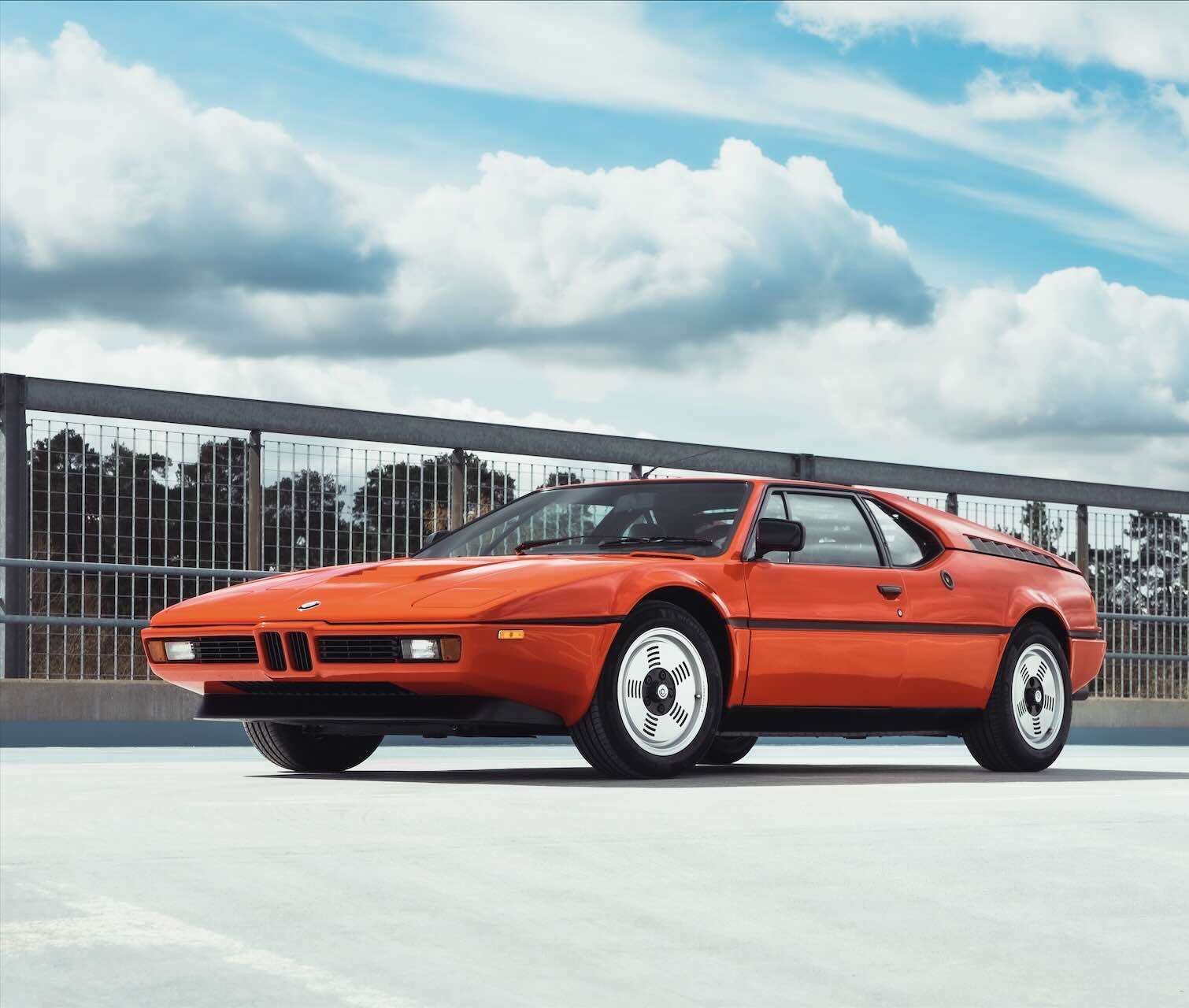
BMW M1 is one of the most important cars ever to leave Munich. While only 399 road-going examples were built, its impact on BMW far exceeds its production numbers. It laid the foundation for everything BMW M represents today and remains the only production BMW ever built with a mid-mounted engine.
More than four decades after its debut, the BMW M1 still looks like a car from the future. Its wedge-shaped body, racing-inspired engineering, and dramatic development story have earned it an almost mythical status among enthusiasts and collectors alike.
The BMW M1 Was Born From Motorsport Ambitions
Editor’s Choice
In the mid-1970s, BMW Motorsport boss Jochen Neerpasch had a bold vision: create a mid-engine sports car capable of challenging Porsche and Ferrari on the international racing stage.
The project, internally known as E26, was conceived as a race car first and a road car second. To meet FIA Group 5 homologation requirements, BMW needed to build a sufficient number of street-legal examples.
What followed became one of the most fascinating chapters in BMW history.
Italian Design Meets German Engineering
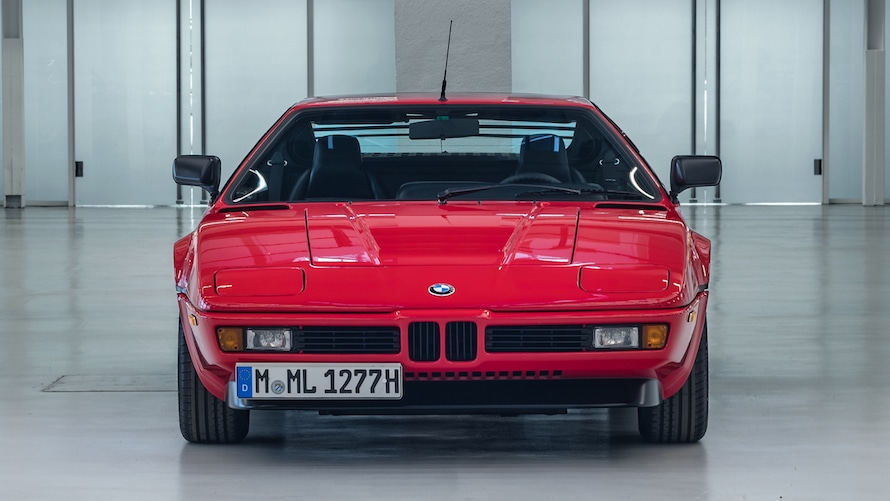
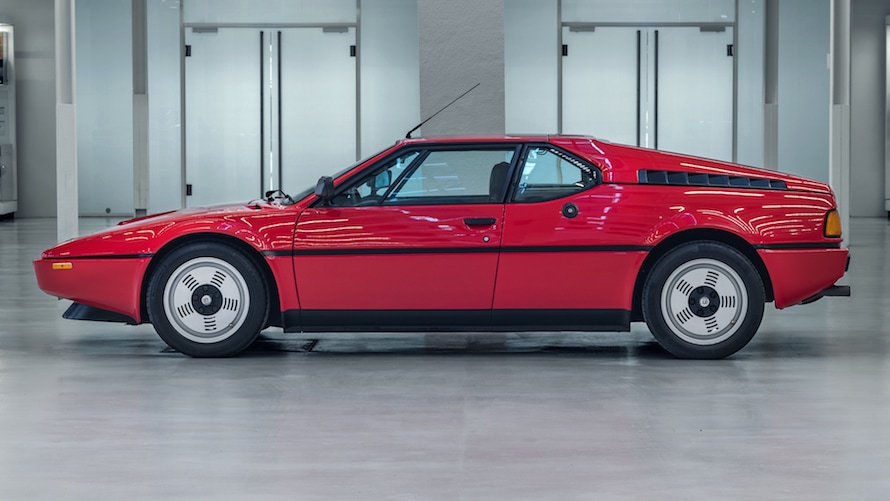
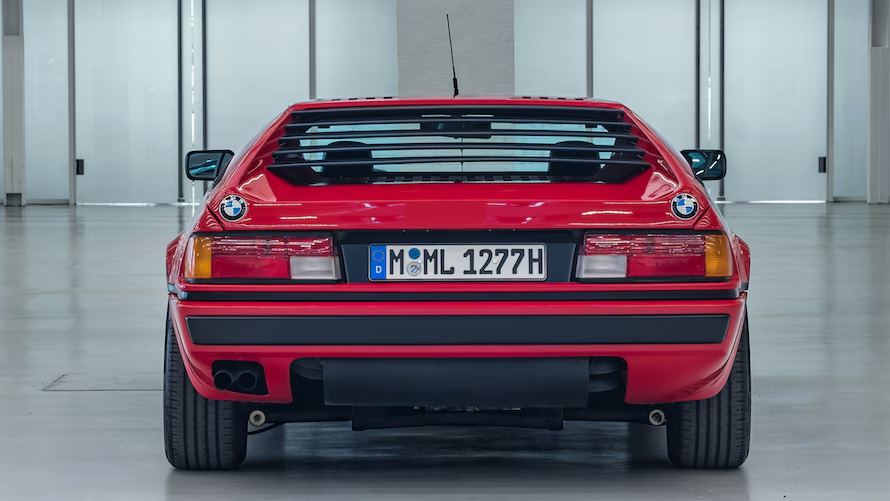
The BMW M1 was the result of a unique European collaboration.
The iconic wedge-shaped body was designed by legendary stylist Giorgetto Giugiaro, whose work has stood the test of time and remains one of the defining automotive designs of the late 1970s.
The chassis was initially developed by Lamborghini, making the M1 one of the least conventional BMW projects ever undertaken. However, financial difficulties at the Italian company nearly derailed the entire program.
BMW was eventually forced to reorganize production, with components manufactured across several European countries before final assembly took place in Germany.
The Legendary M88 Engine
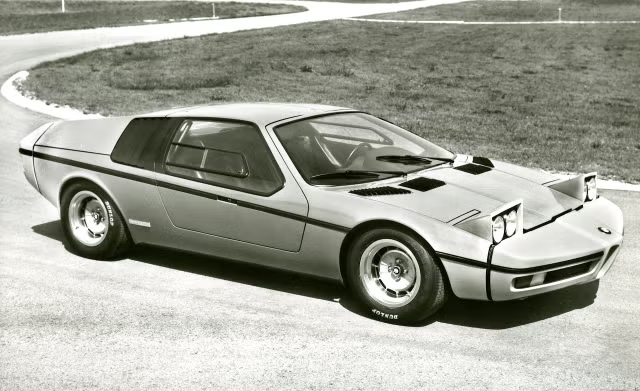
At the heart of the BMW M1 sat the magnificent M88 engine.
The naturally aspirated 3.5-liter inline-six featured four valves per cylinder and individual throttle bodies, technology that was highly advanced for its era.
- 277 horsepower
- 330 Nm (243 lb-ft) of torque
- 262 km/h (163 mph) top speed
- 0–100 km/h in 5.6 seconds
These figures placed the M1 among the fastest and most capable supercars of its time.
The M88 would later become the foundation for future BMW M icons, including the first-generation BMW M5 and BMW M635CSi.
BMW M1 Procar: When Formula 1 Stars Raced Identical BMWs
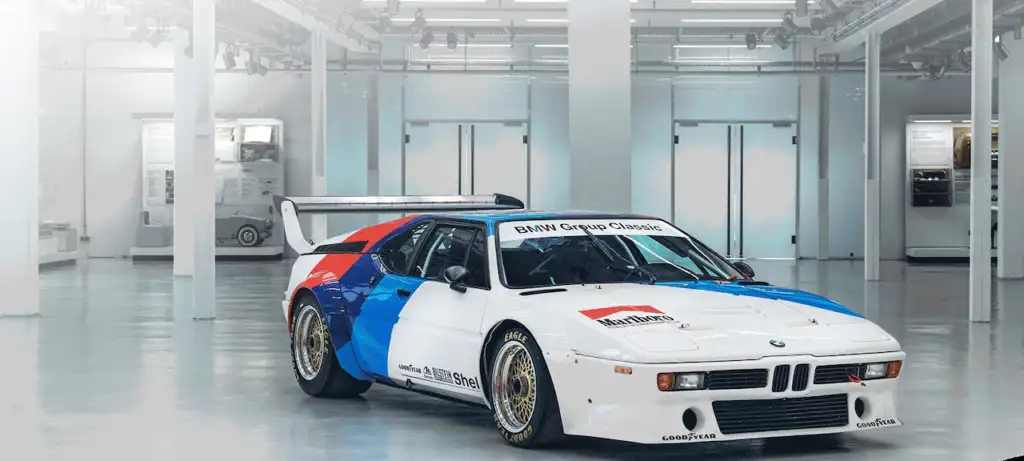
Production delays prevented BMW from entering the racing category originally envisioned for the M1.
Instead of abandoning the project, BMW created something entirely unique.
In 1979, the BMW M1 Procar Championship was launched as a support series to Formula 1 weekends. The world’s best drivers competed in virtually identical BMW M1 race cars.
The grid featured some of the biggest names in motorsport:
- Niki Lauda
- Nelson Piquet
- Mario Andretti
- Alan Jones
- Jacques Laffite
For fans, it offered a rare opportunity to watch Formula 1 stars battle on equal terms in the same machinery.
Although the championship lasted only two seasons, it secured the M1’s place in motorsport history forever.
Why the BMW M1 Remains So Special
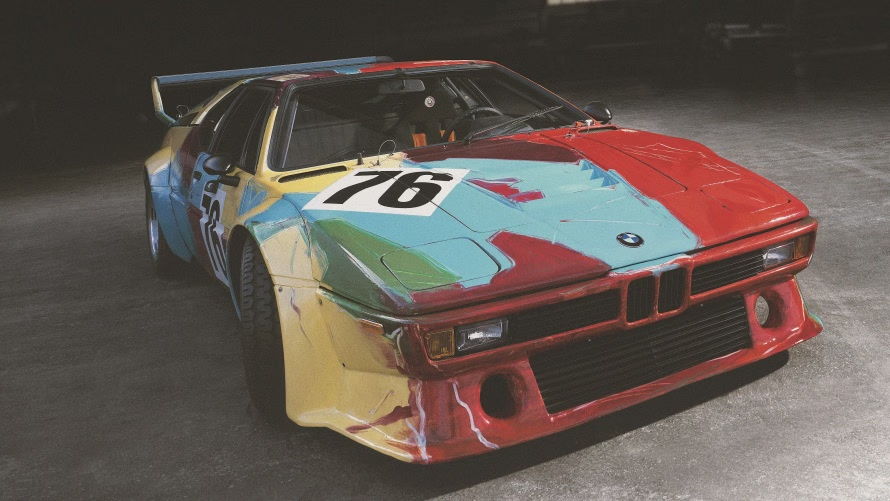
BMW produced just:
- 399 road cars
- 54 racing versions
Its rarity alone would make it highly desirable today, but the M1’s significance goes much deeper than production numbers.
It proved that BMW could build a true supercar capable of competing with the world’s best while establishing the DNA that would define BMW M for generations to come.
Today, pristine examples regularly command seven-figure prices at international auctions, making the M1 one of the most valuable BMW models ever produced.
A Legend BMW Never Replaced
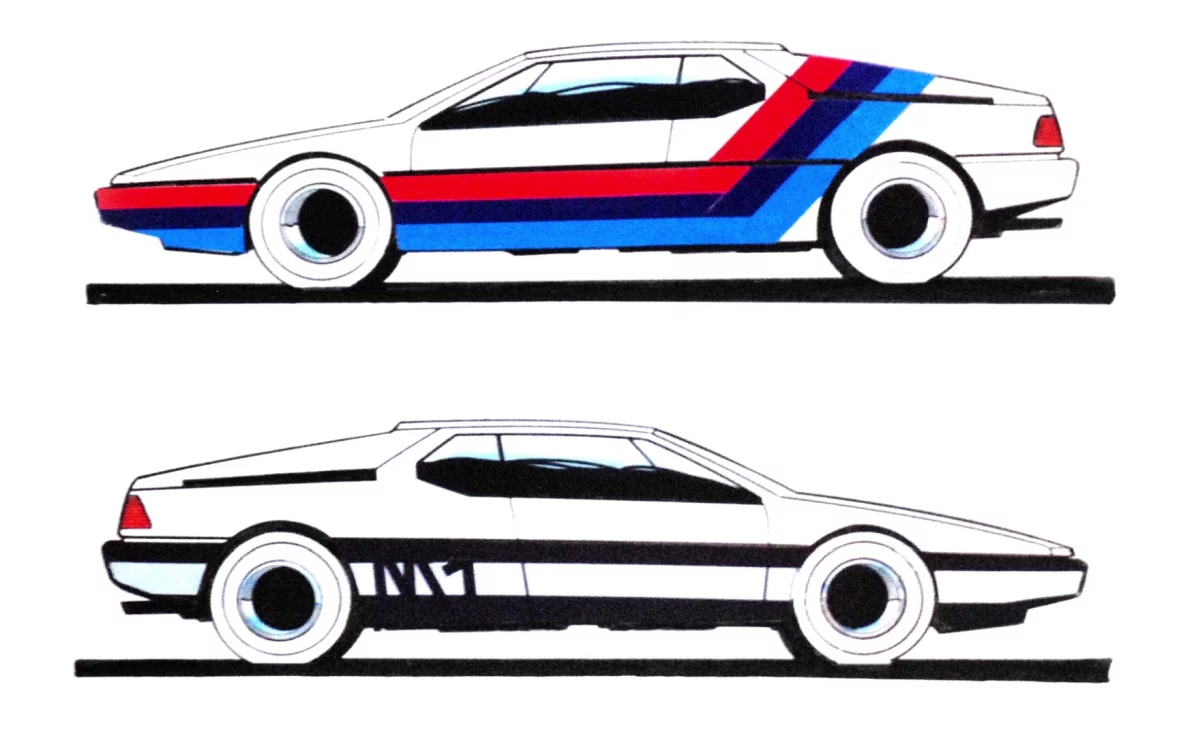
Nearly 50 years after its debut, BMW still has not produced a direct successor to the M1.
There have been concepts, rumors and ambitious proposals, but none have reached production. Perhaps that is exactly why the M1 remains so special.
It stands alone as BMW’s only production mid-engine supercar—a machine born from racing ambition, Italian design and German engineering excellence.
The legend of the BMW M1 continues to inspire enthusiasts and BMW M designers alike, proving that some icons simply cannot be replicated.
